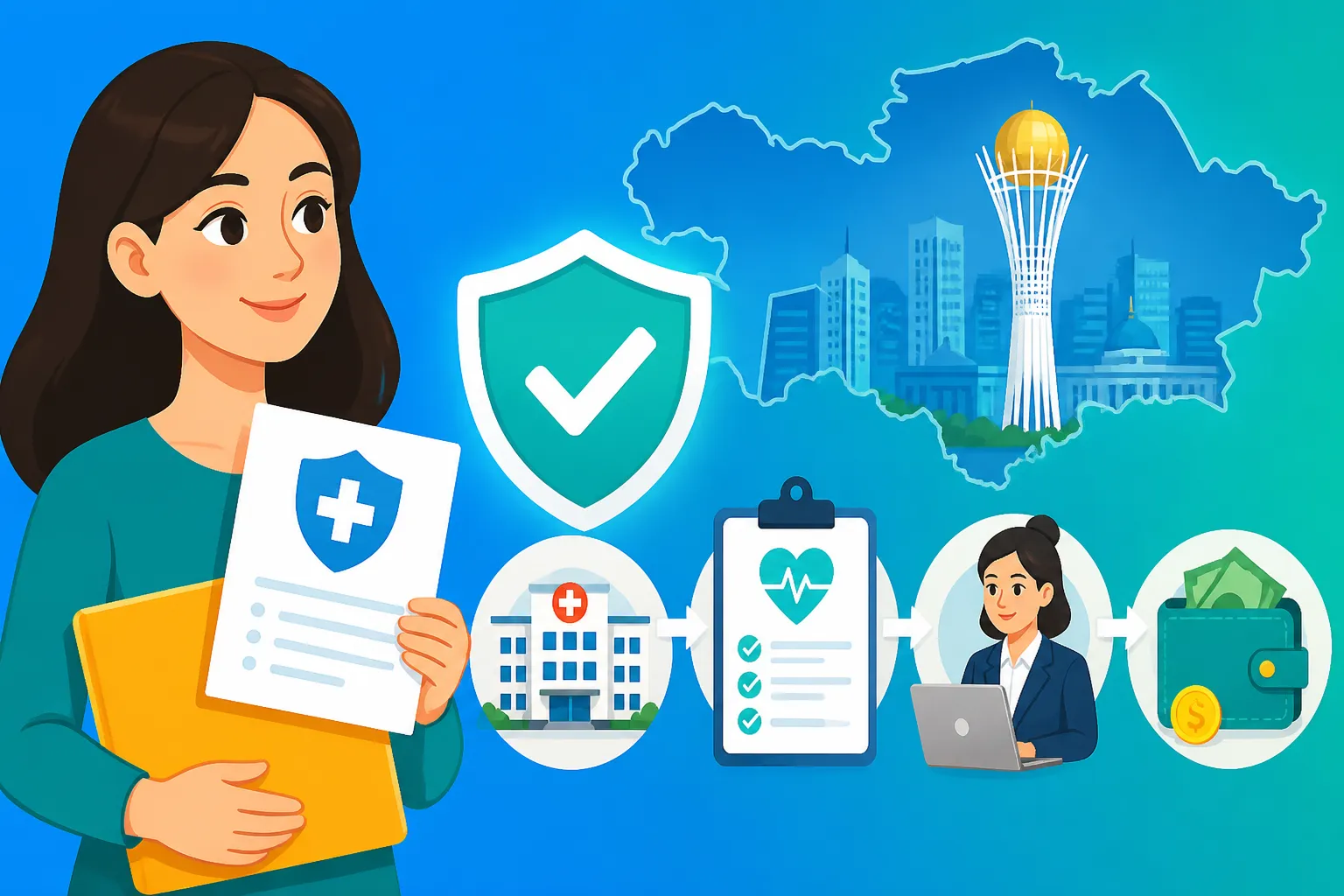
How to Claim Reimbursement from Private Insurance in Kazakhstan
Ah, private health insurance claims in a foreign land – it sounds about as much fun as trying to assemble IKEA furniture with only pictograms and a missing wrench. Many of us expats have been there, staring at a stack of forms, trying to decipher medical jargon in a language that isn't our own, all while just wanting to get our money back for that doctor's visit. It’s a common frustration, but fear not! This guide will walk you through the labyrinthine process of claiming reimbursement from your private health insurance in Kazakhstan, making it a little less daunting and a lot more manageable.
Understanding Your Private Insurance Policy in Kazakhstan
Before you even think about filing a claim, the absolute first step is to truly understand the beast you're dealing with: your private health insurance policy. It's not just a fancy card; it's a contract, and every clause matters here, especially when you're far from home. Ignoring the fine print can lead to a lot of headaches, or worse, denied claims.
Decoding Your Policy Documents
Your policy documents are your bible. Seriously, treat them as such. They outline everything from what's covered to how much you'll pay out of pocket, and the exact steps for claiming reimbursement. Many expats make the mistake of just skimming these at the time of purchase, only to find themselves lost when an actual medical emergency or routine check-up occurs. Take the time to sit down with your policy, preferably with a strong cup of tea, and go through it page by page. Look for sections detailing "claims process," "covered services," "exclusions," and "deductibles/co-payments." If your policy is in Russian or Kazakh, and your language skills aren't quite there yet, find a trusted friend or a professional translator to help you. It's an investment that will save you immense stress later. Some insurers, especially international ones, might offer documents in English, which is a huge bonus.
It's also important to differentiate your private plan from the Compulsory Social Health Insurance (OSMS) system, which is a separate entity for residents. While OSMS covers a broad range of services, private insurance often fills the gaps, offering quicker access to specialists, more comfortable facilities, and sometimes a wider choice of providers. If you're wondering How Kazakhstan's Health System Works: OSMS and Private Care Explained, it's a good idea to read up on that too, just so you know where your private plan fits into the bigger picture.
In-Network vs. Out-of-Network Providers
This distinction is crucial and often where expats get tripped up. Many private insurance policies operate with a network of preferred or "in-network" healthcare providers. These are clinics and hospitals that have a direct billing agreement with your insurer. If you visit an in-network provider, your life becomes a whole lot easier because they usually handle the billing directly with your insurance company, meaning less paperwork for you.
However, sometimes you'll find yourself needing care from an "out-of-network" provider. Perhaps you found an English-speaking doctor in Almaty that isn't on your insurer's list, or you had an emergency where you couldn't choose your hospital. In these cases, you'll almost certainly have to pay upfront and then seek reimbursement yourself. It’s vital to know if your policy covers out-of-network care and what the reimbursement percentage will be, as it’s often lower than for in-network services. Always try to confirm this before an appointment if possible, especially for planned treatments.
Exclusions, Deductibles, and Co-payments
These are the financial mechanisms that determine how much you actually pay. An exclusion is something your policy explicitly doesn't cover. Common exclusions might include pre-existing conditions (if not declared and accepted), cosmetic procedures, or certain types of alternative therapies. Always be clear on these so you don't receive an expensive surprise bill for a service you thought was covered.
A deductible is the amount of money you have to pay out of your own pocket before your insurance company starts paying. For example, if you have a 100,000 KZT deductible, you'll pay the first 100,000 KZT of your medical expenses each policy year before your insurer contributes anything. Once you meet your deductible, your insurance kicks in.
A co-payment (or co-pay) is a fixed amount you pay for a covered service after your deductible has been met. For instance, you might have a 5,000 KZT co-pay for every doctor's visit, regardless of the total cost. You might also encounter co-insurance, which is a percentage of the cost you pay after your deductible, for example, 20% co-insurance means you pay 20% and your insurer pays 80%. Understanding Out-of-Pocket Healthcare Costs and Co-Payments in Kazakhstan can help clarify these terms further in a local context. These figures can vary wildly between policies and directly impact your finances.
The Step-by-Step Process for Filing a Claim
Once you've wrapped your head around your policy, the next step is actually putting a claim together. This part requires meticulous attention to detail, which, let's be honest, isn't always easy when you're feeling unwell or stressed. But trust me, taking the time to do it right the first time will save you weeks of back-and-forth with your insurer.
Gathering All Necessary Documentation
This is where the rubber meets the road. Insurers love paperwork, and they want it just so. Without the right documents, your claim will be delayed or denied. Here's a general checklist, but always refer to your specific policy for exact requirements:
- Claim Form: Your insurance company will provide a specific claim form. Fill it out completely and accurately. Any missing information can cause delays.
- Medical Report/Diagnosis: This is a document from the doctor or clinic detailing your diagnosis, the services rendered, and sometimes the treatment plan. Make sure it's signed and stamped by the healthcare provider.
- Itemized Invoice/Bill: This must clearly break down each service, medication, or procedure with its corresponding cost. A simple receipt saying "Doctor's visit" won't cut it. For example, if you had a consultation, a blood test, and a prescription filled, each item should be listed separately. If you're curious, you can find out How Much Does a Doctor Visit Cost in Kazakhstan? to get an idea of potential expenses.
- Proof of Payment: This could be a cash receipt, a bank transfer confirmation, or a credit card slip. It proves you actually paid for the services.
- Prescriptions: If your claim includes medication, include the doctor's prescription and the pharmacy receipt. This is essential for claims related to Prescription Medications and Pharmacies in Kazakhstan: The Complete Guide.
- Referral Letter: If you saw a specialist, your policy might require a referral from a general practitioner.
- Copy of Your ID/Passport: Some insurers might ask for a copy of your identification document.
- Insurance Policy Number/Card Copy: Always include your policy details so they can easily identify your account.
Here's a handy table to help you keep track of what you need:
| Document Type | Purpose | Key Details to Check | Required? |
|---|---|---|---|
| Claim Form | Official request for reimbursement | Fully completed, signed, accurate personal & policy info | Yes |
| Medical Report | Provides medical justification for treatment | Diagnosis, services rendered, doctor's signature & stamp | Yes |
| Itemized Invoice | Details specific costs of each service | Breakdown of services, unit costs, total amount, provider details | Yes |
| Proof of Payment | Confirms you paid the bill | Amount paid, date, method of payment | Yes |
| Original Prescription | Justifies medication costs | Doctor's signature, medication name, dosage | If applicable |
| Referral Letter | Justifies specialist visit | GP's recommendation for specialist, date | If applicable |
| Copy of ID/Passport | Verifies your identity | Clear copy, valid dates | Sometimes |
| Copy of Insurance Card | Identifies your policy | Policy number, name of insured | Yes |
Submitting Your Claim Online or Manually
Most private insurers, especially international ones like SafetyWing, offer online portals for claim submission. This is often the quickest and most convenient method. You'll typically log into your account, fill out an online form, and upload scanned copies of all your supporting documents. Always keep the original documents until your claim is processed and paid, just in case they need further verification.
If online submission isn't an option or you prefer the old-fashioned way, you'll need to submit your claim manually. This usually involves mailing the physical documents to your insurer's claims department. Always send important documents via registered mail or a courier service that provides a tracking number. This gives you proof of sending and delivery, which can be invaluable if a document goes missing. Make sure you keep copies of everything you send. It's a lifesaver, believe me.
Tracking Your Claim and Following Up
After submitting your claim, the waiting game begins. Most insurance companies will provide a claim reference number. Jot this down somewhere safe! This number is your key to tracking the progress of your claim. You can usually check the status online through your portal, or by calling their customer service line.
Don't be afraid to follow up if you haven't heard anything within the timeframe specified by your insurer (often 10-15 business days). When you call, always have your claim reference number ready, along with your policy details and the date you submitted the claim. Be polite but persistent. Sometimes, a gentle nudge is all that's needed to move things along. Keep a log of all your communication – dates, names of representatives you spoke to, and a summary of the conversation. This record can be extremely helpful if any disputes arise.
Common Challenges and How to Overcome Them
Living in Kazakhstan, while wonderful, does come with its unique set of challenges, and healthcare, unfortunately, is no exception. Dealing with private insurance claims here can throw some curveballs that you might not encounter in your home country.
Language Barriers and Translation Requirements
This is arguably the biggest hurdle for expats in Kazakhstan. Many clinics and pharmacies will issue receipts and medical reports in Kazakh or Russian. While your insurance company might have multilingual staff, they won't automatically translate your documents. You might be required to provide certified translations of all supporting documents. This can add an extra layer of cost and time to your claim process.
How to Overcome:
- Ask for English: When seeking medical care, always ask if they can provide a medical report and itemized bill in English. Some international clinics in major cities like Almaty and Astana are accustomed to this request.
- Professional Translation: If English documents aren't available, engage a certified translator. Ask your insurance provider if they have a list of approved translators or recommend any local services. Keep the receipts for translation services, as some policies might reimburse a portion of these costs.
- Pre-emptive Action: If you know you'll need regular medical attention, having a list of key medical terms translated into Russian/Kazakh can be useful, both for your doctor and for understanding your documents later.
Dealing with Denied Claims
A denied claim is incredibly frustrating. After all the effort, seeing that "denied" status can feel like a punch to the gut. However, it's not always the end of the road. Denials often happen for specific reasons that can sometimes be rectified.
Common Reasons for Denial:
- Missing Documentation: The most common culprit. Did you forget an itemized bill or a signature?
- Not Covered Service: The service wasn't included in your policy (e.g., an exclusion).
- Pre-existing Condition: The condition wasn't declared or accepted by your insurer.
- Past Policy Limits: You've already reached the maximum benefit for that type of service.
- Timeliness: You submitted the claim after the deadline specified in your policy.
How to Overcome:
- Understand the Reason: The denial letter must state the reason for denial. Read it carefully.
- Gather Missing Info: If it's due to missing documents, gather them quickly and resubmit.
- Appeal: If you believe the denial is unfair or based on a misunderstanding, you have the right to appeal. Write a formal letter of appeal, clearly stating why you believe your claim should be approved, and attach any additional supporting evidence. Reference your policy clauses where applicable.
- Contact Customer Service: Sometimes a quick call can clarify a misunderstanding. Be persistent and have all your documentation ready to refer to.
Understanding Local Medical Billing Practices
Kazakhstan's healthcare billing might differ from what you're used to. For instance, sometimes you'll get separate bills from the doctor, the lab for tests, and the pharmacy for medications, even if they're all part of one visit. This can make compiling a single, comprehensive claim challenging.
How to Overcome:
- Request Itemized Bills: Always, always request an itemized bill for every single service, no matter how small. Don't settle for just a total.
- Consolidate if Possible: Some larger clinics, like those often used by expats such as Interteach, might be able to provide a consolidated bill for a series of appointments or tests. It never hurts to ask.
- Keep Everything: Hold onto every single receipt, bill, and medical note. Think of yourself as a meticulous archivist. Even if you think something isn't important for a specific claim, it might be for another or for an appeal.
Direct Billing vs. Reimbursement: What's Best for Expats?
When it comes to paying for healthcare in Kazakhstan, you'll generally encounter two main methods: direct billing or reimbursement. Each has its pros and cons, and understanding them will help you navigate your medical expenses more smoothly. For a broader overview of options, consider reading Health Insurance in Kazakhstan: OSMS, Private and International Options Explained.
Advantages and Disadvantages of Direct Billing
Direct billing, sometimes called "cashless service," is the expat's dream scenario. This is when the healthcare provider (a clinic or hospital) directly bills your insurance company for the services rendered. You don't pay anything out-of-pocket, except perhaps a co-payment or deductible if your policy requires it.
Advantages:
- No Upfront Payment: This is the biggest plus. You avoid large, unexpected medical bills, which can be a relief, especially for costly procedures or hospital stays.
- Less Paperwork: The clinic handles most of the administrative burden, submitting the necessary forms and medical reports directly to your insurer.
- Convenience: It's simply easier. You focus on getting better, not on financial logistics.
Disadvantages:
- Limited Provider Choice: Direct billing is only available at specific clinics and hospitals that have an agreement with your insurer (in-network providers). This might limit your options, especially if you have a preferred doctor or if you're in a smaller city.
- Pre-Authorization Required: For many treatments, especially specialist visits or procedures, direct billing often requires pre-authorization from your insurance company before the appointment. This means delays and extra planning.
- Potential for Misunderstandings: Sometimes, the clinic and insurer might have a hiccup in their communication, leading to you being unexpectedly asked to pay.
When Reimbursement Is Your Only Option
Despite the convenience of direct billing, reimbursement is often the reality for expats in Kazakhstan, particularly outside of the handful of international clinics. You'll pay for your medical services upfront and then submit a claim to your insurer to get your money back.
When Reimbursement is Common:
- Out-of-Network Providers: If you visit any doctor or clinic that doesn't have a direct billing agreement with your insurer, you will pay first.
- Emergencies: In an emergency, you go to the nearest or most appropriate facility. They won't usually check your insurance details before providing life-saving care. Therefore, you'll pay and claim later. For more on this, check out Emergency Medical Care in Kazakhstan: What Every Expat Needs to Know.
- Smaller Clinics/Pharmacies: Many local polyclinics and pharmacies are not set up for direct billing with international private insurance.
- Certain Policy Types: Some basic or travel insurance policies (like a short-term SafetyWing plan) are primarily designed for reimbursement, even for in-network providers. This is a common setup for flexible plans that cater to digital nomads or those who frequently travel, where direct billing networks might be less universal.
International Private Insurance Considerations
Many expats in Kazakhstan opt for international private health insurance. Providers like SafetyWing offer global coverage, which is fantastic for those who travel frequently or might seek care outside Kazakhstan. However, it's crucial to understand how these policies handle claims in a local context.
International plans, while comprehensive, often lean towards a reimbursement model in countries where they don't have extensive direct billing networks. This means you're more likely to pay upfront for routine doctor visits or even specialist consultations and then submit a claim. However, for major hospitalizations or serious emergencies, they often have procedures for direct billing or guarantee of payment, provided you contact them immediately. It's really important to know Can I Use International Health Insurance at Kazakhstani Hospitals? before you need urgent care. Always carry your international insurance card and the emergency contact number with you. Before you even need to claim, you should read up on Understanding Private Health Insurance Plans in Kazakhstan to ensure you have the right coverage for your situation.
Tips for a Smooth Claim Process
Navigating healthcare claims in a foreign country can be a minefield, but with a few strategic habits, you can significantly smooth out the process. Think of it as preparing for a marathon – it requires discipline and foresight.
Proactive Communication with Your Insurer
Don't wait until you're staring at a stack of bills to talk to your insurance company. Proactive communication is your best friend.
Before treatment:
- Verify Coverage: For any non-emergency treatment, call your insurer beforehand to confirm that the specific procedure or doctor's visit is covered. Ask about any pre-authorization requirements.
- Ask About Documentation: Inquire about the exact documents they need for reimbursement and if any local specifics (like translations or notarizations) are required. This is especially helpful if you're newly arrived and still figuring out How to Buy Private Health Insurance as a Newcomer in Kazakhstan.
- Clarify Network Status: Ask if your chosen clinic or doctor is in their direct billing network. If not, understand the reimbursement process from the get-go.
During and After Treatment:
- Notify for Major Incidents: For hospitalizations or serious conditions, notify your insurer as soon as reasonably possible. They often have specific protocols for managing these larger claims, potentially setting up direct billing or a guarantee of payment with the hospital.
- Follow Up Regularly: As mentioned, don't be shy about checking in on your claim's status. A friendly follow-up can sometimes expedite the process.
Keeping Meticulous Records
This isn't just about saving your receipts; it's about creating a systematic way to store all your medical and insurance-related documents. Imagine yourself as a professional record-keeper for your health.
- Dedicated Folder: Have a physical folder for all original medical documents (reports, bills, receipts, prescriptions) and a digital folder for scanned copies.
- Chronological Order: File everything by date. This makes it incredibly easy to find specific documents when needed.
- Claim Tracking Log: Maintain a simple spreadsheet or notebook where you log:
- Date of service
- Provider name
- Total cost
- Date claim submitted
- Claim reference number
- Date reimbursed
- Amount reimbursed
- Notes (e.g., "called customer service, spoke to Anna, claim in review")
- Scan Everything: Before sending any original documents, scan them. Having digital copies is crucial for backup and for quick reference.
Seeking Assistance When Needed
You don't have to go through this alone. There are resources available if you find yourself overwhelmed or stuck.
- Expat Communities: Reach out to fellow expats in Kazakhstan. Many have likely gone through similar experiences and can offer practical advice, recommend specific clinics, or even share tips on dealing with particular insurers. Online forums and local expat groups on social media are great places to start.
- Insurance Broker: If you purchased your insurance through a broker, they are often a valuable resource for claims assistance. They act as an intermediary between you and the insurer and can often help clarify policy terms or expedite a claim.
- Clinic Administration: Sometimes the clinic itself can help. Their administrative staff might be familiar with common insurance requirements and can help you gather the correct documents or format them appropriately. If you're looking for English-speaking staff, you might find clinics like Mediker or SOS International more accommodating. Knowing How to Find an English-Speaking Doctor in Kazakhstan can also lead you to clinics with better administrative support for expats.
What Happens After Reimbursement?
So, you've submitted your claim, jumped through all the hoops, and finally, your insurer says "Yes!" But the journey doesn't quite end there. There are still a few things to keep in mind, from how you'll receive your money to what it means for your local finances.
Understanding Payment Methods and Timelines
Once your claim is approved, your insurance company will process the payment. The method and timeline can vary:
- Bank Transfer: Most international insurers, including those like SafetyWing, will transfer the reimbursement directly to your bank account. This is usually the preferred method. You'll need to provide your bank account details (IBAN, SWIFT code for international transfers). Ensure these details are accurate to avoid delays.
- Cheque: While less common now, some insurers might issue a cheque. This can be problematic in Kazakhstan, as cashing foreign cheques can be difficult, expensive, or even impossible at some local banks.
- Credit to Card: Occasionally, if you paid by credit card, the reimbursement might be processed as a credit back to that card.
Timelines: Payment timelines can range from a few days to several weeks after approval, depending on the insurer and the payment method. International bank transfers can sometimes take longer due to intermediary banks and currency conversions. Always ask your insurer for an estimated payment date. If you're moving money into or out of Kazakhstan, it’s worth reading up on How to Transfer Money Into and Out of Kazakhstan as an Expat to understand the process.
Tax Implications for Reimbursements
This is a point often overlooked by expats, but it's important to understand. Generally, health insurance reimbursements for medical expenses are not considered taxable income. The money you receive back is simply a repayment for an expense you incurred, not new income.
However, there can be nuances:
- Medical Expense Deductions: In some countries, medical expenses are tax-deductible. If you've claimed a medical expense deduction on your tax return in your home country (or even in Kazakhstan), and then received an insurance reimbursement for that same expense, you might need to adjust your tax declaration. This is rare for routine claims, but something to be aware of if dealing with very large, deductible medical costs.
- Overseas Tax Residency: If you're a tax resident of a country that taxes worldwide income, and your insurance provider is also overseas, you might want to clarify any reporting requirements with a tax advisor familiar with both your home country's and Kazakhstan's tax laws. For insights into local tax rules, consider exploring How Kazakhstan's Tax System Works: The Flat 10% Tax Explained. For most standard health insurance reimbursements, you shouldn't face a tax liability, but it’s always wise to be informed.
Long-Term Management of Your Health Expenses
Being reimbursed is great, but effective long-term management of your health expenses goes beyond just submitting claims.
- Budgeting: Understand The Cost of Healthcare in Kazakhstan: A Complete Breakdown for Foreigners (2026) and factor in your deductibles, co-payments, and any uncovered services into your annual budget. This helps prevent financial shocks.
- Policy Review: Annually review your private health insurance policy. Your needs might change, or new, better options might become available. What was right when you first moved to Kazakhstan might not be ideal a few years down the line. Check for changes in coverage, premiums, and any new benefits.
- Health Savings: Consider setting aside a small amount each month into a dedicated "health savings" fund. This can cover those smaller, unreimbursable costs or bridge the gap while waiting for a reimbursement to come through. It's also useful for dental care, which often has separate or limited coverage. For instance, Understanding Dental Care Costs in Kazakhstan highlights expenses that might often be out-of-pocket.
- Emergency Fund: Beyond health specifics, a general emergency fund is crucial for any expat, covering not just medical but also other unexpected life events. This offers a safety net while you navigate the reimbursement process.
By staying organized, proactive, and informed, claiming reimbursement from your private health insurance in Kazakhstan can be a straightforward process, leaving you more time to enjoy your expat life rather than battling bureaucracy.
Disclaimer
The information provided in this guide is for general informational purposes only and does not constitute professional medical, financial, or legal advice. While we strive to provide accurate and up-to-date information, healthcare regulations, insurance policies, and local procedures in Kazakhstan can change. Always consult with your insurance provider, a legal professional, or a qualified financial advisor for advice tailored to your specific situation.