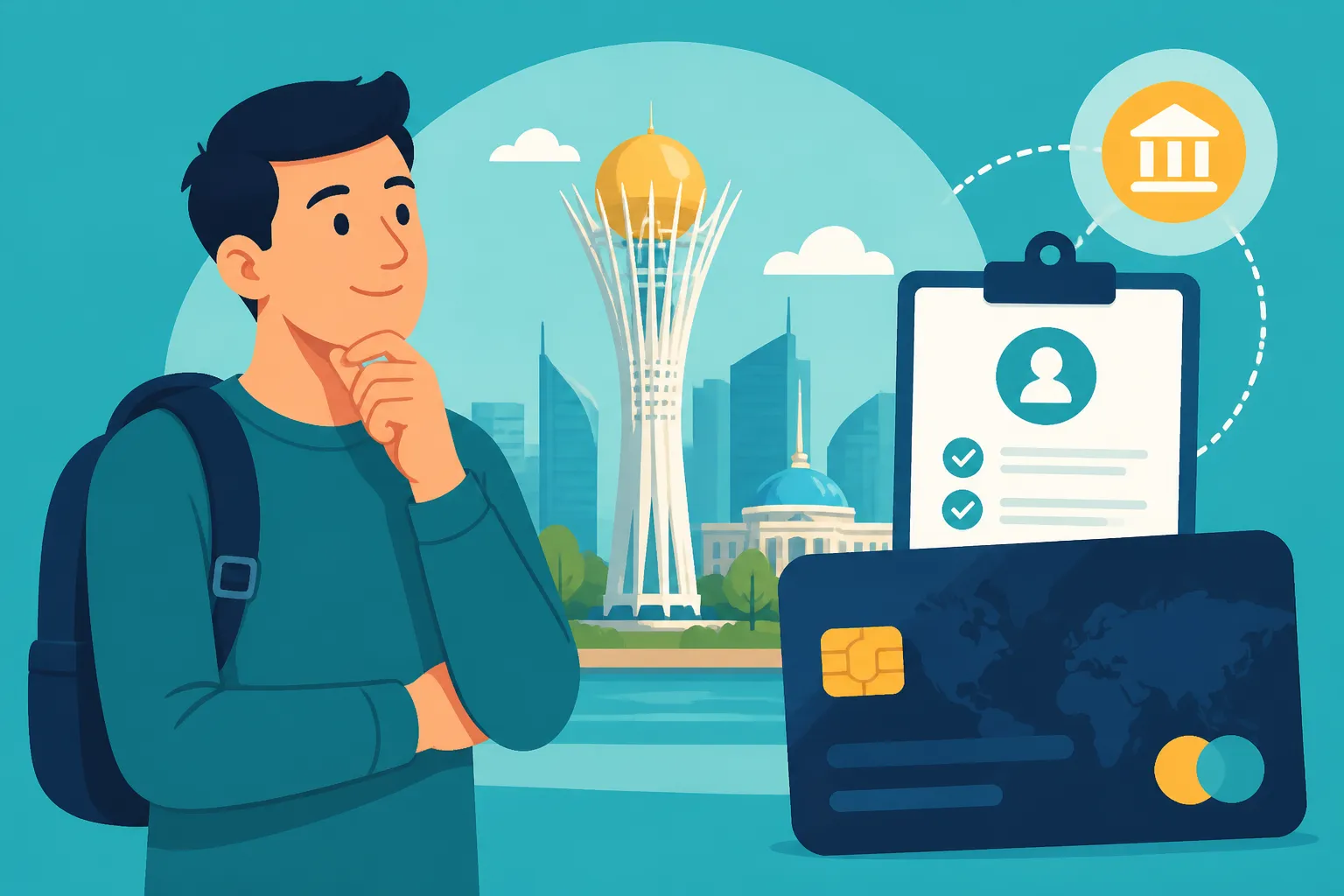
How Do I Apply for a Credit Card as an Expat in Kazakhstan?
Ah, the quest for a credit card in Kazakhstan! If you've been here for any length of time, you'll know that banking and finance can feel like navigating a maze blindfolded, especially when it comes to something as seemingly simple as getting a credit card. Many expats arrive expecting the same financial ease they had back home, only to discover that establishing credit here is a whole different beast. This guide is here to walk you through the realistic steps and expectations for expats looking to get a credit card in Kazakhstan, sharing insights from years of living through these very systems.
Understanding the Reality of Credit Cards for Expats in Kazakhstan
When you first land in Kazakhstan, everything feels new and exciting, but then the administrative realities hit you, and often, banking is right at the top of that list. Getting a credit card might seem like a standard part of setting up your financial life, but for us expats, it’s rarely that straightforward. Don't worry, you're not alone in finding this process challenging; it's a common hurdle for many of us.
Why It's Not as Straightforward as Back Home
The biggest elephant in the room when it comes to expat credit cards in Kazakhstan is the complete lack of a local credit history. Back in your home country, years of paying bills on time, managing loans, and using credit responsibly built up a profile that banks could easily access. Here, that history means absolutely nothing to a Kazakhstani bank. You're essentially starting from scratch, a blank slate, which makes financial institutions incredibly cautious.
Banks in Kazakhstan, much like anywhere else, operate on risk assessment. When they look at a foreigner, especially one who might be on a temporary residence permit or who hasn't been in the country for long, they see a higher risk. They don't know your payment habits, your employment stability within the local context, or your long-term intentions. This isn't a personal slight; it's simply how the system is wired. Language barriers can also complicate matters. While many banks, especially in Almaty and Astana, have English-speaking staff, the underlying systems and legal documents are primarily in Kazakh or Russian. Misunderstandings can easily arise, leading to frustration for both you and the bank's employees. Imagine trying to explain your complex financial history from another country to someone who doesn't quite grasp the nuances – it's tough! You’ll also quickly learn the critical importance of your Individual Identification Number (IIN) for almost any financial transaction here. Without it, you’re basically a ghost in the system, and getting a credit card without an IIN is simply impossible. You can read more about How to Get an IIN Individual Identification Number in Kazakhstan to ensure you're prepared.
The Importance of a Solid Financial Footprint
So, if your foreign credit history is out, what's in? Your local financial footprint. The longer you've been in Kazakhstan, and the more established your financial life is here, the better your chances. This means having a stable local bank account, preferably one you've maintained for some time. Banks want to see consistent income flowing into your account from a local employer. They want to see that you're not just passing through, but genuinely embedded in the local economy.
For instance, if you've been working for a reputable international company or a well-known local entity for a year or more, and your salary is consistently paid into your Kazakhstani bank account, this significantly strengthens your application. It signals stability. Similarly, demonstrating a responsible approach to local finances, even without a credit card, can make a difference. This might include paying utility bills on time, having a local mobile phone contract, or even just regularly saving money in your local account. These actions, while seemingly small, contribute to a picture of a reliable individual. Don't underestimate the power of a strong relationship with your bank. If you've been a loyal customer, using their services for your salary, savings, and day-to-day transactions, they are far more likely to consider your application. Think of it as building trust, one transaction at a time. This is especially true when it comes to choosing The Expat Guide to Opening a Bank Account in Kazakhstan, as your choice can significantly impact future credit opportunities.
Navigating the Application Process: Step-by-Step for Expats
Alright, so you understand the challenges, and you're still determined. That's the spirit! Applying for a credit card in Kazakhstan as an expat requires careful preparation and a deep breath of patience. It’s not a quick in-and-out process, so let's get into the nitty-gritty.
Prerequisites: What You Absolutely Need Before Applying
Before you even think about walking into a bank to apply, you absolutely must have a few non-negotiable items in order. Without these, your application will be dead on arrival.
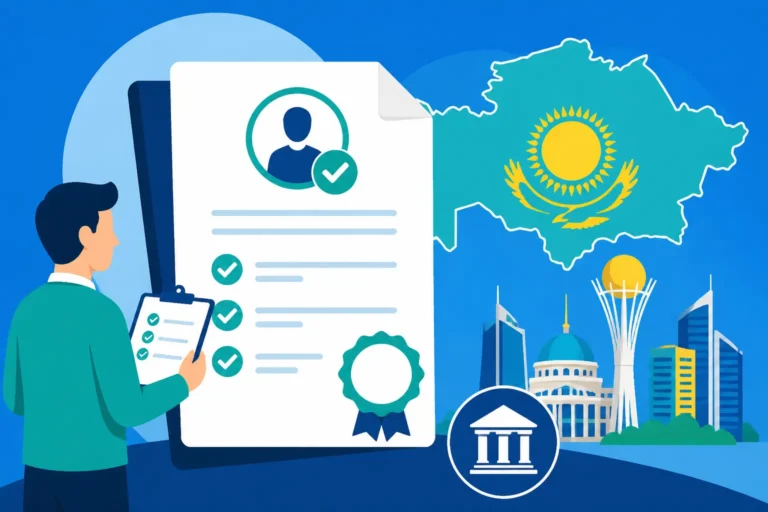
First and foremost, your Individual Identification Number (IIN). This is your unique taxpayer identification and is essential for virtually all financial and administrative processes in Kazakhstan, including opening bank accounts and applying for credit. If you don’t have one yet, drop everything and get it sorted. Seriously. Secondly, a valid Residence Permit ( виды на жительство). This proves your legal right to reside in Kazakhstan for an extended period. Most banks won't even entertain a credit card application if you're on a short-term visa, as it doesn't demonstrate long-term stability. Your residence permit, tied to your work visa or other long-term status, is crucial. You can find more detailed information on How to Get a Work Visa and Residence Permit in Kazakhstan 2026.
Third, a Local Bank Account. You need an active account with the bank you're applying to, and ideally, your salary should be paid into it. This allows the bank to see your income and transaction history directly. As mentioned, the longer and more active this account, the better. Finally, irrefutable Proof of Employment and Income. This usually means a notarized copy of your employment contract, translated into Kazakh or Russian, clearly stating your salary and position. Banks will also want to see recent salary statements, usually for the last three to six months. If you’re self-employed, this becomes significantly more complex, and you'll need to provide extensive tax declarations and proof of consistent income. This is where understanding How Kazakhstan's Tax System Works The Flat 10% Tax Explained 2026 becomes very important.
Choosing the Right Bank and Card Type
Not all banks are created equal when it comes to expat-friendly services, and certainly not for credit cards. You'll generally find that the larger, more established banks like Kaspi.kz, Halyk Bank, and ForteBank are your best bet. They have more experience dealing with international clients and often have slightly more flexible policies, though "flexible" is still a relative term in this context.
When it comes to card types, for expats with no local credit history, an unsecured credit card (the kind most people think of) is exceptionally difficult to obtain. It's not impossible, but prepare for multiple rejections and strict criteria. The more realistic option, and one often recommended by bank staff to start building local credit, is a secured credit card. How does this work? You deposit a certain amount of money into a blocked savings account with the bank, and that deposit acts as collateral for your credit limit. For example, if you deposit 200,000 KZT, your credit limit might be 180,000 KZT. This minimizes the bank's risk, making them much more willing to issue the card. While it ties up some of your capital, it's an excellent way to demonstrate responsible credit usage to local institutions, which can eventually open doors to unsecured credit. It’s a classic chicken-and-egg scenario, and the secured card is how you get that first chicken.
The Application Itself: Documents and Patience
Once you've gathered all your prerequisites and chosen your bank, prepare for the actual application. This is where your meticulous documentation pays off.
Here's a general list of documents you'll likely need:
| Document Type | Description | Notes |
|---|---|---|
| Passport | Original and copies of all relevant pages. | Ensure your passport is valid for at least six months beyond your intended stay. |
| IIN Certificate | Original document proving your Individual Identification Number. | This is non-negotiable. |
| Residence Permit | Original and copy of your current Kazakhstani residence permit (вид на жительство). | It should be valid for a significant period (e.g., at least 6-12 months remaining). |
| Employment Contract | Original and notarized copy, translated into Kazakh/Russian. | Should clearly state your position, salary, and employment duration. The translation must be official. |
| Salary Statements | Bank statements showing salary deposits for the last 3-6 months. | Your bank statements from your local account with the applying bank are preferred. If your salary comes from abroad, this will significantly complicate things. |
| Bank Statements | General bank statements from your active local account, showing transactions. | This provides the bank with a broader view of your financial activity. |
| Employer Reference Letter | A letter from your employer confirming your employment, position, and salary. | On company letterhead, with contact details for verification. This should be a recent letter, ideally specifically for the credit card application. |
| Proof of Address | Utility bill, rental contract, or official registration (прописка). | A recent utility bill in your name is often the easiest. Your rental contract (also notarized and translated) or your official address registration (прописка) from the migration police can also work. |
| Photos | Passport-sized photographs (usually 3×4 cm). | Always have a few on hand, as requirements can vary slightly. |
| Tax Returns (Optional but helpful) | Copies of your Kazakhstani tax declarations, especially if self-employed or high earner. | For self-employed individuals, this moves from optional to absolutely essential. For employees, it can further bolster your financial stability claim. You can learn more about this process via How to Register with the State Revenue Committee in Kazakhstan. |
When you're at the bank, be prepared to answer many questions about your financial situation, your purpose for the card, and your ties to Kazakhstan. Be honest and thorough. Don't be afraid to ask for an English-speaking representative if you're not confident in Russian or Kazakh. Remember, your patience will be tested. The process can take anywhere from a few days to several weeks. Follow up politely but persistently. And don’t take rejections personally; it’s part of the expat journey in many countries. Sometimes, it’s just a matter of trying another branch or another bank.
Alternatives and Building Your Credit Profile in Kazakhstan
Let's be real: getting a credit card, especially an unsecured one, might not happen overnight, or even within your first year or two. And that's okay! Many expats manage their finances perfectly well without one. It's important to know your alternatives and how you can still build a strong financial standing in Kazakhstan.
Debit Cards and Prepaid Options: Your Everyday Go-To
For the vast majority of expats, debit cards from local banks like Kaspi.kz or Halyk Bank will be your primary financial tool. These are incredibly versatile in Kazakhstan, widely accepted, and linked directly to your own funds. Kaspi Gold, for instance, is practically ubiquitous, offering seamless payments, transfers, and online shopping capabilities. You can link it to your phone for mobile payments, use it at almost any shop, and manage all your finances through its highly intuitive app. You can also use services like Wise to easily transfer funds from your home country to your Kazakhstani bank account, making your debit card even more effective for managing your day-to-day expenses.
Prepaid cards are another solid option if you want to manage spending or have a card specifically for online purchases, separate from your main bank account. While less common than general debit cards, some banks or even mobile operators might offer them. These work similarly to debit cards but aren't tied directly to a checking account, offering an extra layer of security. The key here is to embrace the local systems. Don't fight them; learn to use them effectively, and you'll find that for most needs, a debit card is perfectly sufficient.
Building Local Credit: Small Steps for a Big Future
Even if you don't get a credit card right away, you can still start building a positive financial history in Kazakhstan. This is where that secured credit card, if you can get one, really shines. Using it responsibly – making small purchases and paying them off in full and on time every single month – will slowly but surely create a positive record with the bank.
Beyond secured cards, simply being a good banking customer helps. Maintain a healthy balance in your accounts, avoid overdrafts, and ensure your bills are paid promptly. Consider setting up automatic payments for your utilities, mobile phone, and internet bills. While not directly credit-related, consistent on-time payments demonstrate reliability. If you're employed, your employer's regular contributions to your Mandatory Social Health Insurance (OSMS) and pension funds also paint a picture of stability, which banks can sometimes see. Understanding How to Register for Compulsory Social Health Insurance OSMS in Kazakhstan and similar processes shows your commitment to the local system.
Another avenue, though it requires careful consideration, is taking out a small, short-term loan and paying it back diligently. Some banks might be more willing to offer a small consumer loan than a credit card to an expat without prior credit history. If you take this route, ensure it's a loan you absolutely can repay comfortably, as defaulting will severely damage your chances for any future credit. This isn't for everyone, but for some, it can be a stepping stone.
Leveraging International Financial Tools
While building local credit is important, don't forget the tools that bridge your financial life between Kazakhstan and your home country. Services like Wise (formerly TransferWise) are invaluable for expats. They allow you to hold multiple currencies, send money internationally at fair exchange rates, and often come with a debit card that can be used worldwide, including in Kazakhstan. This means you can manage a significant portion of your finances without necessarily needing a Kazakhstani credit card. For instance, if you're traveling or making large online purchases in foreign currencies, your Wise card might be more convenient and cost-effective than a local credit card that charges foreign transaction fees.
These platforms provide a safety net, ensuring you always have access to your funds and the ability to transfer money efficiently, whether it's for an emergency back home or for covering an unexpected expense here. For more insights on this, refer to How to Transfer Money Into and Out of Kazakhstan as an Expat.
Final Thoughts and Expert Tips for Success
The journey to securing a credit card as an expat in Kazakhstan can feel like a marathon rather than a sprint. But with the right approach and expectations, it’s certainly achievable. Just remember, local banks prioritize local financial history and stability above all else.
Persistence and Local Support
One of the most valuable lessons I've learned living here is the power of persistence. Don't be discouraged by an initial "no." Sometimes, it's about finding the right bank representative, a different branch, or simply returning a few months later when your local financial footprint has grown. Make sure you build a relationship with a particular bank and, if possible, with a specific manager or customer service representative who understands your situation.
Leverage your local network. If you have Kazakhstani colleagues or friends, ask them if they can provide insights or even, in rare cases, offer to accompany you to the bank to help with translation and explanation. Their understanding of cultural nuances and the banking system can be a huge asset. They might even be able to recommend specific branches or individuals known for their expat-friendly service. This local support can truly make all the difference, cutting through red tape and cultural misunderstandings that we, as foreigners, often face.
When to Re-Evaluate Your Needs
Before you pour too much energy into the credit card quest, take a moment to honestly evaluate if you truly need one. For many expats, the primary use case for a credit card is often online purchases, travel bookings, or simply having an emergency fund. As we’ve discussed, debit cards, prepaid options, and international financial services like Wise can fulfill many of these needs quite effectively and often without the hassle of credit applications.
Consider your long-term plans in Kazakhstan. If you only plan to be here for a year or two, the effort and potential cost (especially for a secured card) might not be worth it. However, if you see yourself here for the long haul, building local credit is a valuable investment in your financial future, potentially opening doors to larger loans, mortgages, or even local investments down the line. It's all about weighing the pros and cons against your personal circumstances and financial goals in this unique, fascinating country. Understanding the overall The Complete Guide to Cost of Living in Kazakhstan for Expats 2026 can also help contextualize your financial needs.
Disclaimer
Please note that banking regulations and financial products in Kazakhstan can change rapidly. While every effort has been made to provide accurate and up-to-date information in this guide, it is essential to verify all details with the respective banks and financial institutions directly. This content is for informational purposes only and does not constitute financial or legal advice.