The Expat Guide to Setting Up Utilities (Electricity, Water, Heating) in Kazakhstan
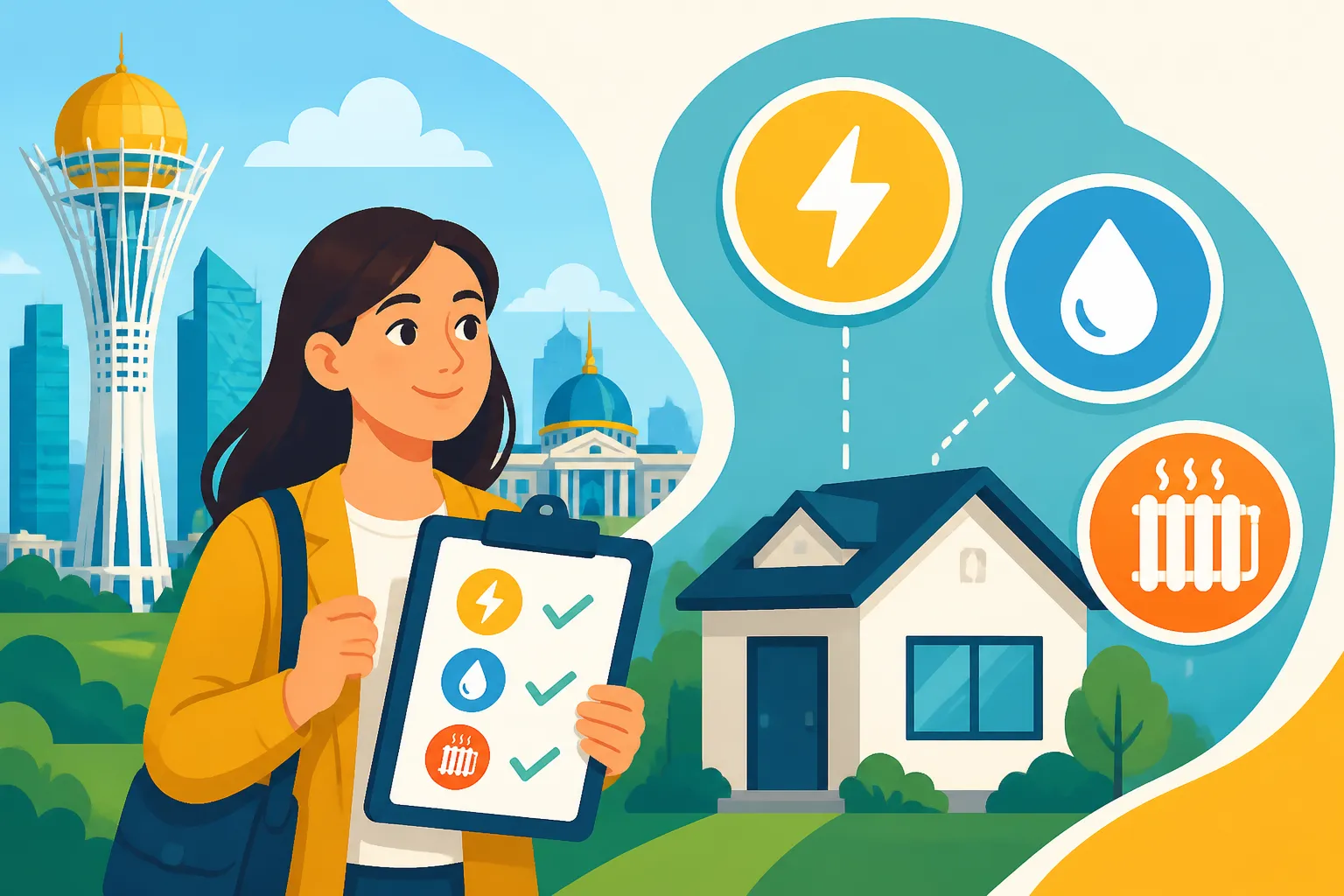
Oh, the joy of moving to a new country! You’ve probably found your apartment, maybe even started to furnish it, and now you’re staring down the barrel of what seems like a simple task back home: setting up your utilities. But let me tell you, fellow expat, in Kazakhstan, it’s rarely as straightforward as a quick phone call. This guide is here to untangle the bureaucratic knots, explain the local systems for electricity, water, and heating, and help you get comfortable in your new home without freezing in winter or living by candlelight.
The Initial Reality Check: Understanding Utilities in Kazakhstan
When you first arrive in Kazakhstan, especially in cities like Almaty or Astana, the sheer newness of everything can be exhilarating. Then you realize you need to figure out how to get warm water, keep the lights on, and ensure your apartment is toasty when the legendary Kazakhstani winter rolls in. This isn't just about flipping a switch; it's about navigating local systems that might be very different from what you're used to. You're not alone in feeling a bit overwhelmed – it's a rite of passage for every expat here.
Decoding the Kazakhstani Utility Landscape
Kazakhstan's utility infrastructure has its unique characteristics, blending Soviet-era centralized systems with modern upgrades. For instance, central heating is extremely common, especially in apartment buildings, meaning your warmth isn't always entirely within your direct control, unlike a personal boiler in many Western countries. Electricity and water, while typically metered per apartment, often involve dealing with various service providers and payment systems that aren't always intuitive for newcomers. Understanding this mixed landscape is your first step to a smooth setup.
Many apartment buildings, or Zhiloi Kompleks (residential complexes), operate under a Homeowner Cooperative, known as a KSK (Kooperativ Sobstvennikov Kvartir). These KSKs often act as intermediaries, collecting payments for some utilities, managing shared building services, and sometimes even having staff who can help with minor repairs or meter readings. However, their efficiency and helpfulness can vary wildly from one building to the next, which is where a lot of expat frustration often stems from. It’s crucial to clarify early on what the KSK handles versus what you need to manage directly with the utility providers.
The systems are designed for local residents, who are familiar with the processes, the language, and the occasional need for persistence. As an expat, you might find yourself needing a translator, a helpful Kazakhstani friend, or a very patient landlord to bridge the communication gap. Don't be shy about asking for help; it's part of the expat journey. Services that help with larger logistics, like those offered by Sirelo for moving, are one thing, but the on-the-ground reality of utility setup is uniquely local.
Your Essential Documents: IIN, Rental Contract, and More
Before you even think about connecting services, you'll need a few crucial documents. The most important of these is your Individual Identification Number (IIN). This is your personal tax ID and is absolutely essential for almost all official transactions in Kazakhstan, including setting up utility accounts. Without it, you’ll hit a wall before you even begin. If you haven't sorted this out yet, make it a priority; you can learn more about How Do I Get an IIN (Individual Identification Number) in Kazakhstan?.
Your rental contract is another non-negotiable document. Utility companies will want to see proof that you are the legitimate occupant of the property. This contract, ideally registered and notarized, demonstrates your right to occupy the premises and, therefore, your right to connect services in your name. If you’re still navigating the rental market, ensure your contract is solid, as it will be your key to many doors. Getting your lease in order is paramount, and you can find a comprehensive guide on The Complete Guide to Renting an Apartment in Kazakhstan (2027).
Additionally, be prepared to show your passport, your residence permit, and sometimes a document confirming your address registration (a propiska or temporary registration). While some landlords might offer to keep the utilities in their name and simply add the charges to your rent, I highly recommend getting them transferred to your name if possible. This gives you more control, transparency over usage, and direct access to service providers if issues arise. It's also an important step in establishing your financial footprint in the country, which can be useful if you later plan to open a local bank account or apply for other services.
Connecting Your Home to Electricity in Kazakhstan
Electricity is usually one of the first utilities you think about. Nobody wants to live in the dark! While the process isn't always straightforward for expats, understanding the steps and knowing what to expect can significantly reduce your stress.
The Step-by-Step Process for New Accounts
The first step is to identify your electricity provider. In major cities like Almaty, this is often AlmatyEnergoSbyt (АлматыЭнергоСбыт), while in Astana it would be AstanaEnergoSbyt (АстанаЭнергоСбыт). Your landlord or KSK will usually be able to tell you the specific company responsible for your building. Once identified, you’ll need to visit their local service center. Bring all your documents: passport, IIN, residence permit, and your rental agreement. A copy of the previous owner's or tenant's last electricity bill can also be incredibly helpful, as it contains the account number and meter details.
When you arrive at the service center, you'll likely need to take a number and wait your turn. Be patient, and if you don't speak Russian or Kazakh, have a translator or a local friend with you. Explain that you are a new tenant and wish to transfer the electricity account into your name. They will provide you with an application form. You'll fill this out, attach copies of your documents, and they'll initiate the process. Sometimes, an inspector may need to visit your apartment to verify the meter readings and condition, but this is less common for simple transfers. Once approved, you'll be given a new account number. This account number is crucial for all future payments and inquiries.
Understanding Different Meter Types and Readings
Kazakhstan primarily uses two types of electricity meters: older, mechanical meters and newer, digital ones. Mechanical meters have a series of spinning dials, which can be a bit tricky to read for the uninitiated. Digital meters, however, display the reading clearly on an LCD screen. In most apartments, the meter is located either inside your apartment, in the hallway on your floor, or in a central utility closet for the building. It's important to know where yours is and how to read it.
Typically, you are responsible for providing meter readings to the electricity company, often on a monthly basis. Some buildings have systems where the KSK collects these readings, but it’s always best to confirm. If you have a digital meter, simply note the numbers displayed. For mechanical meters, you’ll read the numbers from left to right, ignoring any red numbers or numbers after a decimal point if present. Always take a photo of your meter reading as proof, just in case there are any discrepancies later.
The readings are usually submitted through the company's website, via a mobile app, or sometimes even through payment terminals. Missing a meter reading can lead to estimated bills, which might be higher or lower than your actual usage, so it's a good habit to send them in regularly.
Estimated Costs and Average Consumption
The cost of electricity in Kazakhstan is generally quite affordable, especially compared to many Western countries. Tariffs are usually tiered, meaning you pay a certain rate per kilowatt-hour (kWh) up to a certain consumption limit, and then a slightly higher rate for consumption above that. These tariffs are set by the government and can vary slightly by region. For instance, rates in Almaty might differ marginally from those in Astana.
For an average one or two-bedroom apartment, a monthly electricity bill might range from 2,000 to 7,000 KZT, depending on your usage habits. Heavy use of air conditioning in summer or electric heaters in winter (if you don't have central heating, or it's insufficient) can push these costs higher. If you're wondering about the overall expenses of daily life, our guide on How Much Is the Cost of Living in Kazakhstan for Expats? offers a broader financial picture. Remember that tariffs can change, so it's a good idea to keep an eye on official announcements or check with your provider annually.
Navigating Water and Sewerage Services
Water is another essential utility, and like electricity, it's generally quite inexpensive in Kazakhstan. Setting up your account and understanding the billing process is key to avoiding any unexpected cut-offs or disputes.
Registering Your Water Accounts
In Kazakhstan, water supply and sewerage services are typically managed by a single regional utility company. In Almaty, this is Almaty Su (Алматы Су), and in Astana, it's Astana Su Arnasy (Астана Су Арнасы). The process for registering your water account is very similar to setting up electricity. You'll need to visit their customer service center with your passport, IIN, residence permit, and rental contract. Again, having the previous tenant's bill can significantly speed things up by providing the existing account number.
You'll complete an application form to transfer the account to your name. Ensure all your details are correct. Just like with electricity, you'll be assigned a unique personal account number. This number is your reference for all future communications and payments related to your water and sewerage services. It’s always a good idea to take a picture of the confirmation or note down your account number immediately.
Sometimes, if your building has a KSK, they might handle the initial setup or provide guidance. However, for direct control and transparency, pushing to have the account in your name is advisable. This way, you receive the bills directly and know exactly what you're being charged for.
Decoding Your Water Bill and Usage Charges
Water meters in Kazakhstan are usually located within your apartment, often in the bathroom or kitchen, or in a utility closet near the entrance. Most modern apartments will have digital meters that clearly display the cubic meters (kub or м³) of water consumed. Older buildings might still use mechanical meters, which read similarly to electricity meters. Many apartments will have two meters: one for cold water and one for hot water. This is because hot water is often supplied separately and is charged at a different (usually higher) rate due to the heating component.
Just like with electricity, you are generally responsible for submitting your meter readings monthly. Check with your KSK or water provider for the specific dates to submit readings. You can typically do this online through their website, via a mobile application, or through payment terminals. If you miss a reading, your bill will be estimated based on previous consumption or a flat rate per person registered at your address, which might not accurately reflect your actual usage.
Sewerage charges are usually calculated as a percentage of your total water consumption or a fixed fee based on the number of people registered at your address. These charges will be included on the same bill as your water usage. Be mindful that while the base cost of water is low, excessive use, especially of hot water, can still accumulate.
Practical Tips for Water Conservation
While water costs are low, practicing conservation is a good habit. Kazakhstan faces water management challenges in some regions, and it’s a responsible practice for residents. Simple steps like fixing leaky faucets, taking shorter showers, and only running dishwashers or washing machines when full can make a difference. If you're living in an older building, insulation and pipe conditions might not be optimal, so keeping an eye out for leaks is particularly important.
If you ever notice a sudden spike in your water bill without a change in usage, it could indicate a leak within your apartment or building. Don't hesitate to report it to your KSK or directly to Almaty Su / Astana Su Arnasy. They can send a technician to investigate. Dealing with home maintenance is part of the expat experience, and being proactive can save you money and headaches in the long run.
Mastering the Kazakhstani Heating System
This is arguably the most critical utility for many expats, especially given Kazakhstan's notoriously cold winters. Understanding how the heating works can literally make or break your comfort during the colder months.
Understanding Centralized Heating: How it Works
Most apartment buildings in Kazakhstan, particularly those built in the Soviet era or designed for efficiency in cold climates, rely on centralized heating systems. This means a large central boiler house or district heating plant provides hot water that circulates through radiators in every apartment within a block or even an entire neighborhood. The advantage is consistent, often powerful, heating. The downside is that you usually have very little individual control over when it turns on or off, or the precise temperature.
Heating season typically runs from October/November to March/April, depending on the outside temperature and local government decrees. The heating will be turned on and off collectively for the entire system. During the peak of winter, radiators can become incredibly hot, making your apartment feel like a sauna. In spring or autumn, it might still be quite chilly outside but the heating hasn’t been switched on yet, leading to some uncomfortable weeks.
The cost for centralized heating is usually calculated based on the area of your apartment (per square meter), rather than your individual consumption, as there are no individual meters on radiators in most apartments. This means whether you're using a lot or a little, your bill will be largely consistent during the heating season. This fixed cost makes budgeting simpler but also means you can't save money by turning down the heat, only by opening windows (which isn't ideal for energy efficiency!).
Managing Individual Heating Solutions
While less common in large apartment blocks, some newer buildings or private houses might have individual heating systems, often gas-fired boilers. If your apartment has an individual boiler, you have complete control over your heating schedule and temperature. This offers flexibility but also means you're responsible for gas connection, maintenance, and higher monthly bills during winter, as you're bearing the full cost of heating your space.
For individual heating, you'll need to set up a gas account with the local gas provider (e.g., KazTransGas in some regions). The process is similar to electricity and water: visit their office with your documents to transfer or open an account. Gas meters will be present, and you'll typically submit monthly readings. Be extra vigilant with gas safety; ensure your boiler is serviced annually and that you have a carbon monoxide detector if you have a gas appliance.
Many expats who find centralized heating either too hot or too cold, or switched off at inconvenient times, resort to supplementary heating. Portable electric heaters are popular for individual rooms. Be aware, however, that using too many electric heaters can significantly increase your electricity bill and might even trip your apartment's circuit breaker if the wiring is old.
Preparing Your Home for the Harsh Winter
Kazakhstan's winters are no joke, with temperatures often dropping far below freezing. Even with central heating, there are things you can do to make your home more comfortable and energy-efficient. Our comprehensive guide on How to Prepare Your Home for Winter in Kazakhstan delves into this in much more detail, but here are a few quick tips:
- Seal Drafts: Check windows and doors for drafts. Simple weatherstripping or sealant can make a huge difference.
- Window Insulation: Older windows might be single-glazed. Consider applying temporary window insulation film or heavy curtains to trap heat.
- Radiator Care: Ensure your radiators are not blocked by furniture or heavy drapes, allowing heat to circulate freely. Bleed them if you notice cold spots (your KSK or landlord can help with this).
- Dress Warm Indoors: Even with heating, adopting a habit of wearing layers indoors can enhance comfort and reduce the feeling of needing more heat.
While the fixed cost of central heating might seem like a bummer, it does offer predictability. Just remember that it’s a system designed for a different climate and societal norm, so embrace the warmth when it comes, and find creative solutions if it's not quite enough.
Paying Your Utility Bills: Methods and Platforms
Once your utilities are set up, the next hurdle is figuring out how to actually pay for them. Kazakhstan has a relatively modern digital payment infrastructure, but knowing your options is essential.
Online Payments: eGov and Banking Apps
For many expats, online payment methods are the most convenient. The Kazakhstani government's eGov portal (egov.kz) is a central hub for many public services, and it also allows you to pay for utilities. You'll need to have an electronic digital signature (EDS) to fully utilize eGov, which is a process in itself but well worth it for convenience. You can find out more about Understanding the eGov and Taxpayer Cabinet Portals in Kazakhstan.
Beyond eGov, local banking apps are incredibly popular and user-friendly. Kaspi.kz and Halyk Bank are two of the largest banks, and their mobile applications offer seamless utility payment options. If you’ve managed to open a local bank account, which is a must for long-term expats (and you can learn how in The Expat Guide to Opening a Bank Account in Kazakhstan), you'll find these apps indispensable.
Here's how it generally works with a banking app like Kaspi.kz:
- Open the app and navigate to the 'Payments' (Платежи) section.
- Select 'Utilities' (Коммунальные услуги) or 'Payments for services' (Оплата услуг).
- Choose your city/region.
- Select the specific utility provider (e.g., AlmatyEnergoSbyt, Almaty Su, Alseco for heating).
- Enter your unique account number for that utility. The system will usually automatically pull up your outstanding balance based on your submitted meter readings.
- Confirm the amount and pay using your linked bank card.
It’s quick, efficient, and usually provides instant confirmation. This method is by far the preferred choice for most residents and expats. Having reliable mobile data is key for using these apps or calling customer service. Consider an eSIM from providers like Airalo when you first arrive to ensure you're always connected, even before you get a local SIM card.
Offline Payment Options: Banks and Kassa Terminals
For those who prefer traditional methods or are still getting set up with online banking, offline options are readily available.
- Bank Branches: You can visit any branch of a local bank like Halyk Bank or Kaspi Bank. Present your utility bill or your account number to the teller, and they will process the payment. Be prepared for potential queues, especially at the end of the month.
- Payment Terminals (Kassa): These self-service terminals are ubiquitous in supermarkets, shopping centers, and public places across Kazakhstan. They look like ATMs but are used for paying various bills, topping up mobile phones, and even transferring money. You can select the utility provider, enter your account number, and pay with cash. The terminals will issue a receipt, which you should keep as proof of payment. While convenient for cash payments, the interface can be in Russian or Kazakh, so a translator might be needed initially.
It’s always a good practice to keep receipts for a few months, whether digital or physical, just in case there’s a query about a payment. It's a small precaution that can save a lot of headaches later.
Setting Up Auto-Payments and Reminders
Once you're comfortable with the online payment systems, you might want to explore setting up auto-payments or reminders. Some bank apps offer a feature to automatically pay recurring bills each month, provided you have sufficient funds. This can be a godsend, eliminating the worry of missing a payment deadline.
Alternatively, you can set up reminders in your phone calendar or through your banking app to prompt you to pay your bills and submit meter readings on specific dates. This helps ensure timely payments and accurate billing. When you're knee-deep in setting up your new life, from finding the right apartment to figuring out utilities, managing the actual physical move can be daunting. Services like Sirelo specialize in making that part smoother, but the recurring tasks like utility payments are on you! So, setting up those reminders is crucial.
Troubleshooting Common Utility Issues and Emergencies
Despite your best efforts, sometimes things go wrong. Power outages, water leaks, or heating problems can crop up. Knowing who to call and what to do is important for resolving these issues efficiently.
Dealing with Power Outages and Water Interruptions
Power outages can happen, especially during severe weather or infrastructure work. If your electricity suddenly goes out:
- Check Your Breaker Box: First, check your apartment's circuit breaker box (often located near your entrance or in the kitchen). A tripped breaker is a common culprit.
- Check Your Neighbors: If your breakers are fine, see if your neighbors' lights are out. If they are, it’s a building or neighborhood-wide issue.
- Contact Your KSK: Your KSK is usually the first point of contact for building-wide utility issues. They can provide information on the cause and estimated restoration time.
- Contact the Utility Provider: If the KSK isn't helpful or available, call your electricity provider's emergency line. Have your address and account number ready.
Water interruptions can also occur due to pipe bursts, maintenance, or planned shut-offs. Again, your KSK is the best first contact. They often post notices in building common areas about planned interruptions. If it's sudden, contact them or Almaty Su / Astana Su Arnasy. Keep a small supply of bottled water for drinking and fill a bucket for flushing if you're in an area prone to interruptions.
Reporting Leaks, Malfunctions, and Repairs
If you notice a water leak inside your apartment (from pipes, a toilet, or a radiator) or detect a gas smell (if you have individual gas heating), act immediately.
- Water Leaks: For minor leaks, first try to identify the source and, if possible, turn off the water supply to that specific fixture or your entire apartment (main valve usually in the bathroom or near the entrance). Then, contact your KSK or landlord. They are responsible for building maintenance and should dispatch a plumber. If the leak is significant and causing damage to other apartments, consider calling Almaty Su / Astana Su Arnasy directly for emergency assistance.
- Gas Leaks: This is a serious emergency. If you smell gas, immediately open windows and doors for ventilation, turn off the gas supply if you know how (usually a valve near the meter or appliance), and do not switch on or off any electrical appliances (this could create a spark). Evacuate your apartment and call the emergency gas service number (often 104) immediately. Your KSK can also help in these situations.
- Heating Issues: If your central heating isn't working during the heating season, or your radiators are consistently cold when others in your building are warm, contact your KSK. They manage the internal heating system for the building. They might need to bleed the radiators or check the building's main heating valves. For individual heating, contact your gas provider or a certified technician.
Emergency Contacts and Customer Service
Knowing the right numbers to call is crucial. Here are some general emergency numbers, though it's always best to confirm with your KSK or landlord for specific local utility contacts:
- General Emergencies (Fire, Police, Ambulance): 112
- Ambulance: 103 (For medical emergencies, know that Emergency Medical Care in Kazakhstan: What Every Expat Needs to Know is vital reading.)
- Gas Emergency: 104
- Electricity Emergency: 105
- Water Emergency: 109
Keep these numbers, along with your KSK's contact details and your specific utility account numbers, in an easily accessible place. A quick note on customer service: while many utility companies have hotlines, expect that communication might be primarily in Russian or Kazakh. If you don't speak the language, prepare to use a translation app or ask a local friend for assistance. Patience and politeness go a long way.
Cost Management and Energy Efficiency Tips for Expats
While utilities in Kazakhstan are generally more affordable than in many Western countries, understanding the nuances of pricing and adopting smart usage habits can still help you save money and contribute to a more sustainable lifestyle.
Understanding the Cost of Living in Relation to Utilities
When you look at the overall cost of living in Kazakhstan, utility expenses are often one of the smaller components, especially for electricity and water. Rent, groceries, and transportation typically take up a larger portion of an expat's budget. However, knowing that your utilities are manageable allows you to budget more effectively for other aspects of your life. Our detailed guide on How Much Is the Cost of Living in Kazakhstan for Expats? can give you a full breakdown.
The fixed nature of central heating bills (based on apartment size) means you have less direct control over that specific cost during winter. This might feel counterintuitive if you're used to adjusting your thermostat to save money. Instead, focus on minimizing waste and optimizing the use of other utilities.
- Fixed vs. Variable Costs: Differentiate between the fixed costs (like central heating) and variable costs (like electricity and water, which depend on your consumption). This helps you identify where you can actually influence your spending.
- Budgeting: Allocate a realistic amount for utilities each month. While actual costs might fluctuate, having a buffer ensures you're never caught off guard. You might even find that you pay significantly less than you anticipated, allowing more budget for exploring Kazakhstan's incredible culture!
Strategies for Reducing Your Utility Bills
Even with affordable tariffs, there's always room to be more efficient.
- Electricity:
- Unplug Electronics: "Phantom load" from electronics plugged in but not in use can add up. Unplug chargers, TVs, and other devices when not needed.
- LED Lighting: If your apartment still has old incandescent or fluorescent bulbs, consider replacing them with energy-efficient LED alternatives.
- Efficient Appliances: If you're buying new appliances, look for energy-star ratings, though these might not be as prevalent or standardized as in other countries.
- Smart Usage of Supplemental Heating/Cooling: If you use electric heaters or AC, use them judiciously. Close off rooms you're not using, and only heat/cool the areas you're in.
- Water:
- Monitor Usage: Regularly read your meters to become aware of your consumption patterns.
- Quick Showers: Reduce shower times.
- Full Loads: Only run washing machines and dishwashers with full loads.
- Fix Leaks Promptly: Even small drips can waste significant amounts of water over time.
While these tips might seem minor given the low costs, they contribute to good habits and can lead to noticeable savings over time, especially if you have high consumption.
Navigating Tariff Changes and Subsidies
Utility tariffs in Kazakhstan are regulated by the government and can change periodically. These changes are usually announced publicly and your utility provider might inform you through your bill or their website. As an expat, you generally pay the standard residential tariffs, and direct subsidies specifically for foreigners are rare. However, the overall structure of the utility system is designed to keep costs low for all residents.
Keep an eye on news from the local Akimat (city administration) or directly from your utility providers for any upcoming tariff adjustments. Your KSK might also be a source of information regarding changes impacting your building. While you might not qualify for social assistance programs, the general affordability means that utility costs should remain a manageable part of your monthly expenses, allowing you to focus on truly enjoying your life in Kazakhstan.
| Utility Type | Main Provider (Almaty Example) | Typical Billing Basis | Average Monthly Cost (Estimated KZT) | Payment Methods |
|---|---|---|---|---|
| Electricity | AlmatyEnergoSbyt | Per kWh | 2,000 – 7,000 | Online, Bank, Kassa Terminals |
| Water & Sewerage | Almaty Su | Per cubic meter (m³) | 1,000 – 4,000 | Online, Bank, Kassa Terminals |
| Central Heating | Alseco (via KSK) | Per square meter (m²) | 5,000 – 15,000 (heating season only) | Online, Bank, Kassa Terminals |
Note: Costs are estimates for a typical 1-2 bedroom apartment and can vary based on usage, season, and specific city tariffs.
Disclaimer
The information provided in this guide is intended for general informational purposes only and does not constitute legal, financial, or professional advice. While we strive to provide accurate and up-to-date information, utility regulations, providers, and processes in Kazakhstan can change. Expats are strongly advised to verify all information with official sources, local utility providers, their landlord, or a legal professional in Kazakhstan before making any decisions. The author and publisher are not responsible for any inaccuracies, omissions, or actions taken based on the information presented herein.