Understanding Water and Central Heating Bills in Kazakhstan
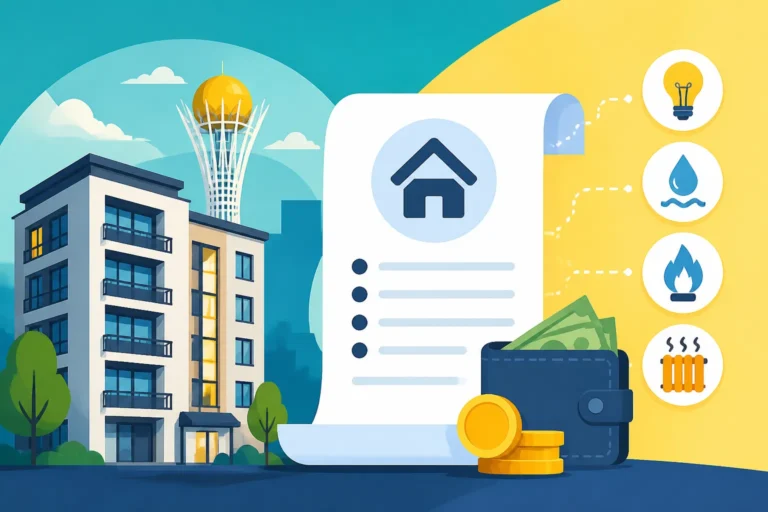
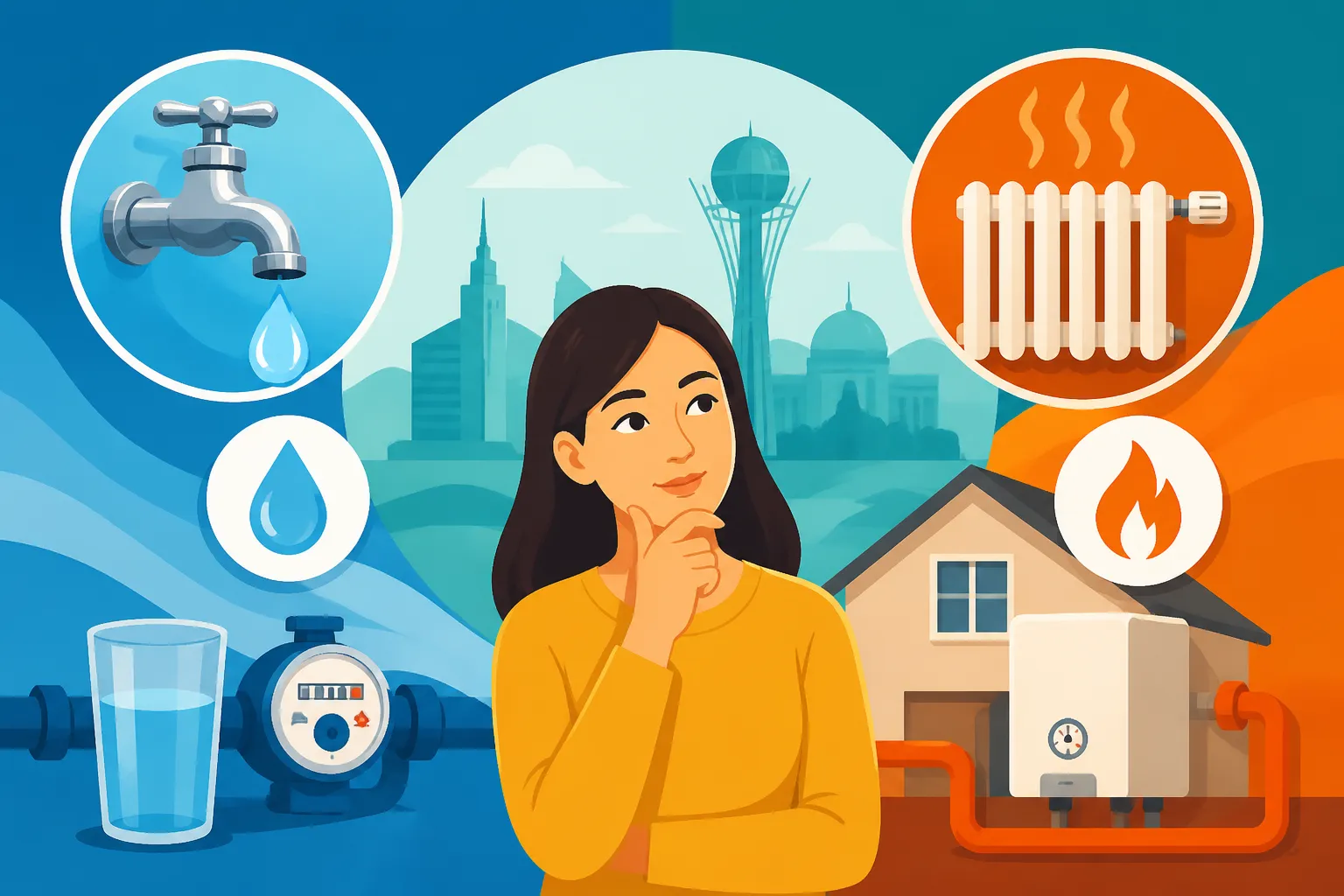
Moving to a new country always comes with a fresh set of challenges, and honestly, figuring out the utility bills in Kazakhstan can feel like cracking a secret code. Forget what you know from back home; the system here, particularly for central heating and water, has its own quirks. This guide is here to demystify those monthly statements, help you understand what you're paying for, and give you practical tips to manage your water and central heating bills like a seasoned local.
The Basics of Kazakhstani Central Heating and Water Supply
When you first arrive, you’ll quickly learn that Kazakhstan's climate demands robust heating infrastructure. Most residential buildings, especially in cities like Almaty and Astana, rely heavily on centralized heating systems. This isn't like having your own furnace; it's a massive network that heats entire districts.
Understanding Central Heating Systems
Kazakhstan experiences long, cold winters, which is why central heating (отопление, otopleniye) isn't just a luxury, it's a lifeline. This system is a vast network where heat is generated at large thermal power plants and then distributed as hot water through underground pipes to individual buildings. Within your apartment building, this hot water circulates through radiators in each apartment. The beauty of this system is its efficiency on a large scale, but it also means less individual control over your heating.
One of the biggest eye-openers for many expats is that central heating is typically on for a fixed period during the colder months, usually from October/November to March/April, depending on the outside temperature. There's no turning your heating off for a few hours to save money on a mild winter day. When the season starts, it's on; when it ends, it's off. This can be frustrating when there are unseasonably warm days in spring or autumn, and your apartment becomes an oven because you can't switch off the radiators. You'll often see windows wide open in mid-winter simply because people are trying to cool down their overheated apartments, essentially wasting heat – and money. This fixed schedule means everyone pays for heating during these months, regardless of whether they feel they need it or not.
How Water Supply Works
Water supply in Kazakhstan, while more straightforward than heating, still has nuances. You'll generally have two types of water: cold water (холодная вода, kholodnaya voda) and hot water (горячая вода, goryachaya voda). The cold water comes directly from the municipal supply. The hot water, however, is often heated centrally, much like your heating, or sometimes by local boiler systems within your building or district. This hot water is then piped to your apartment.
In many older buildings, the hot water supply can be inconsistent. There might be planned shutdowns for maintenance during the summer months – sometimes for a week or even longer – which means no hot water from the tap. Believe me, showering with water heated in a kettle becomes a right of passage for expats during these times! Newer buildings or those with individual water heaters in each apartment (a rarity, but they exist) offer more control and reliability. You'll often find that your building's management, or KSK (about which more later), will put up notices about these planned outages, usually in Russian or Kazakh, so it’s always good to have a local friend or neighbour who can translate. Understanding how to set up electricity in your Kazakhstan home will be crucial for any backup electric heaters or water boilers.
Decoding Your Utility Bill Statements
The utility bills themselves can be a bit of an enigma when you first lay eyes on them. They're typically consolidated into one or two main invoices, often in a format that might not be immediately intuitive if you're not fluent in Kazakh or Russian. However, once you know what to look for, you'll find a logical structure underneath the foreign script.
Key Components of Your Heating Bill
Your heating bill will appear during the heating season and typically shows a charge based on your apartment's square footage, rather than actual consumption measured by individual meters. This is a common practice for centralized heating systems. The logic is that since you can't really control the heat flowing into your apartment from the central system, everyone in a similar-sized dwelling pays a proportional share of the building's overall heating cost.
Here’s what you might see:
- Heating (Отопление): This is the main charge. It’s usually a fixed rate per square meter (₸/m²) multiplied by the size of your apartment. So, a larger apartment naturally incurs a higher heating cost, even if you keep your windows open all winter.
- Common Area Heating (Отопление Общего Пользования): Sometimes, there’s a separate, smaller charge for heating the common areas of the building – hallways, stairwells, etc. This is also typically calculated based on your apartment's size.
- Service Provider: The company providing the heating will be named. In Almaty, for instance, it's often Almaty Teplovye Seti or other similar municipal providers.
It's vital to remember that these charges can be quite substantial during peak winter months, easily becoming one of your largest utility expenses. Make sure to factor this into your overall The Complete Guide to Cost of Living in Kazakhstan for Expats (2026) budget.
Breaking Down Your Water Bill
Water bills are generally more aligned with what you might expect from home. You'll typically have separate charges for cold water and hot water, and these are usually based on metered consumption. If your apartment has individual water meters (счетчики воды, schetchiki vody), which most modern and renovated apartments do, you'll be charged per cubic meter (m³) of water used.
Key items on your water bill:
- Cold Water (Холодная Вода): This charge is for your direct cold water usage, calculated by your cold water meter reading. The rate is usually a fixed price per cubic meter.
- Hot Water (Горячая Вода): Similar to cold water, this is based on your hot water meter reading and charged per cubic meter. However, the cost per cubic meter for hot water is significantly higher than cold water because it includes the cost of heating the water.
- Water Disposal/Sewerage (Водоотведение / Канализация): This is a charge for processing the wastewater you produce. It's usually calculated as a percentage or fixed rate based on your combined cold and hot water consumption. Essentially, what goes in must come out, and you pay for both ends of the process.
It’s crucial to take monthly meter readings yourself, even if your landlord or building management handles the payment. Sometimes, estimated readings are used, or errors can occur. Having your own record allows you to dispute any discrepancies. For more general advice on managing these expenses, check out how to pay your utility bills in Kazakhstan.
The Role of Common Area Maintenance (KSK) Fees
Beyond your direct utility consumption, you'll encounter KSK fees. KSK stands for Кооператив Собственников Квартир (Kooperativ Sobstvennikov Kvartir), which translates to a "Cooperative of Apartment Owners" or simply, the Homeowners Association. Every apartment building in Kazakhstan has one. These fees cover the maintenance of common areas, general repairs, cleaning services, garbage collection, and sometimes even a security guard or concierge.
While not strictly a "utility" bill, KSK fees are an unavoidable monthly housing expense that often appears alongside your utility charges on a consolidated bill or as a separate bill from the KSK directly. The amount varies wildly depending on the age of the building, its amenities, and the services provided. A modern, well-maintained building with a fancy lobby and round-the-clock security will naturally have higher KSK fees than an older, more basic block. It's vital to clarify what your KSK fees cover when you're signing a rental agreement or purchasing a property. Sometimes, even the cost of the common area heating mentioned earlier is folded into KSK fees. Understanding building maintenance fees (KSK) for apartments in Kazakhstan is critical for managing your overall housing budget.
Calculating Your Usage and Anticipating Costs
Getting a handle on how your usage translates into actual costs can feel like a guessing game at first. However, with a little attention to detail and understanding the local pricing structure, you can become quite adept at anticipating your monthly outgoings.
Factors Influencing Heating Costs
As mentioned, central heating costs are largely determined by the size of your apartment and the official heating season dates. Unlike homes in many Western countries where you can crank up or turn down your thermostat at will, in Kazakhstan, you're mostly at the mercy of the municipal schedule. This means budgeting for heating isn't about how much you use the heat, but simply that it's on.
Here's what plays a role:
- Apartment Size: The larger your apartment, the more square meters you pay for. It’s a direct correlation.
- Location/Building Efficiency: While not directly charged to you on your bill, the overall insulation and efficiency of your building (and even which side of the building your apartment faces) can significantly affect how warm your individual unit feels. A poorly insulated apartment might feel cold even with central heating on full blast, leading you to use electric heaters, which then drives up your electricity bill.
- Duration of Heating Season: The longer and colder the winter, the more months you'll be paying the heating charge. The start and end dates of the heating season are decided by local authorities based on average outdoor temperatures.
- Tariff Rates: The local utility provider sets the tariff rate per square meter, which can change periodically. These rates are generally regulated and are the same for all residential users in a given city.
It’s worth noting that your heating costs usually remain consistent throughout the heating season. This predictability can be a blessing and a curse. You know exactly what’s coming, but you can’t reduce it on milder days.
Estimating Your Water Consumption
Estimating water consumption is more controllable, as it's typically metered. The key is to understand your household's habits. Do you take long showers? Do you do laundry frequently? Do you have a dishwasher? All these factor into your cubic meter usage.
Here’s how to get a rough estimate:
- Check Your Meters: Locate your cold and hot water meters. Note down the readings at the beginning of a month.
- Monitor Usage: Over the month, be mindful of your water consumption. After a few weeks, take new readings.
- Calculate Difference: Subtract the initial readings from the final readings to find your consumption in cubic meters for that period.
- Apply Tariffs: Multiply your consumption (cold and hot water separately) by their respective tariff rates. Don't forget the sewerage charge, which is often a fixed rate on top of your water usage.
Tariff rates for water are generally quite affordable in Kazakhstan compared to many Western countries. However, hot water is significantly more expensive than cold water because of the energy required to heat it. So, being mindful of hot water usage can lead to noticeable savings. If you need a reliable internet connection to access your online banking to pay bills or to look up tariffs, consider providers like Airalo for initial setup with an eSIM.
Understanding Meter Readings and Adjustments
Taking accurate meter readings is paramount for water bills. In Kazakhstan, you are generally expected to submit your meter readings (показания счетчика, pokazaniya schetchika) to your utility provider or KSK either online, via an app, or by writing them down and submitting them physically. Some modern buildings might have smart meters that transmit data automatically, but this is not universal.
Here’s a typical scenario:
- Monthly Submission: You’ll usually submit readings around the 20th to 25th of each month for the preceding period. The bill then arrives in the first week of the following month.
- Estimated Bills: If you forget to submit readings, the provider might issue an estimated bill based on your average historical consumption. While convenient, these can sometimes be inaccurate, leading to overpayment or underpayment, which will then be adjusted in future bills once actual readings are submitted.
- Verification: Occasionally, a utility worker might visit to verify your meter readings. It’s always good to be prepared to show them the meters.
It’s a good practice to photograph your meters each month with a timestamp to have a record, especially if there’s ever a dispute. This can save you a lot of hassle. Managing your utility payments effectively is a key part of the Navigating the Kazakhstani Healthcare System: An Expat's Roadmap (2027) as well, as some services require proof of address which depends on these payments.
Payment Methods and Managing Your Bills
Once you understand the bills, the next step is actually paying them. While the system has modernized considerably, it's still good to know all your options and how to troubleshoot common issues.
Common Ways to Pay Your Utilities
The days of standing in long queues at the bank or post office for every single bill are mostly gone, thankfully. Kazakhstan has embraced digital payment solutions, making it much easier for expats to manage their finances.
The most popular methods include:
- Online Banking Apps: Local banks like Kaspi Bank and Halyk Bank have incredibly user-friendly mobile applications that allow you to pay all your utility bills (water, heating, electricity, internet, KSK fees) with just a few taps. You simply select the utility provider, enter your account number (often associated with your apartment address), and the amount due. Most expats swear by Kaspi.kz for its convenience and widespread acceptance. Getting set up with The Expat Guide to Opening a Bank Account in Kazakhstan is a crucial first step.
- Payment Terminals (Терминалы): These kiosks are ubiquitous, found in supermarkets, shopping malls, and even on street corners. They accept cash and sometimes card payments. You select the utility provider, enter your account details, insert cash, and receive a receipt. While convenient for cash payments, the interface is often in Kazakh or Russian, so it might require some initial help.
- eGov Portal: The national e-government portal (eGov.kz) allows you to pay various services, including utilities, once you are registered and have an electronic digital signature (EDS). This is a more advanced option but offers a centralized way to manage many administrative tasks.
- Direct Bank Transfers: Less common for recurring utility payments now, but still an option if your landlord or KSK insists on it. You can initiate a transfer directly from your bank account to the utility provider's account.
- Post Office or Bank Branches: For those who prefer a traditional approach or need to deal with a complex issue, paying at a Kazpost office or a bank branch is still an option, though it will likely involve longer queues and language barriers.
Many landlords will collect utility payments from you and pay them on your behalf, especially if you're in a managed property. Always clarify this arrangement in your rental contract.
Dealing with Billing Discrepancies
It's inevitable that at some point, you might encounter a billing error or a question about your charges. Don't panic; it happens to the best of us.
Here’s how to approach it:
- Review Your Records: First, double-check your own meter readings and any previous bills. Did you submit readings correctly? Was an estimated bill issued?
- Contact Your KSK/Landlord: If you're renting, your landlord or the building's KSK is often the first point of contact. They might be able to clarify the charge or contact the utility provider on your behalf, leveraging their local knowledge and language skills.
- Contact the Utility Provider Directly: If you need to speak to the utility company, be prepared for a potential language barrier. Many larger providers might have an information desk or a hotline, but English-speaking staff are not guaranteed. Bring a Kazakh- or Russian-speaking friend if possible. Have all your account details, meter readings, and the disputed bill handy. In Almaty, for instance, you can find the customer service centres for providers like Almaty Su (water) or Almaty Teplokommunenergo (heating).
- Document Everything: Keep copies of all bills, payment receipts, meter readings, and any correspondence. This paper trail is invaluable if a dispute escalates.
Remember, patience is key. The bureaucracy can be slow, but persistent and polite communication generally yields results.
Tips for Expats to Manage Utility Costs
Living in Kazakhstan, you'll quickly learn some tricks to manage your utility expenses, especially given the unique heating system.
- Embrace Layers: Since you can't control central heating, layering clothing indoors is crucial. It saves you from opening windows and wasting heat.
- Seal Drafts: Check your windows and doors for drafts. Older buildings can be particularly drafty. Simple weather stripping or foam tape can make a big difference in keeping heat in and cold out.
- Be Mindful of Hot Water: Hot water is expensive. Try to take shorter showers and avoid letting hot water run unnecessarily.
- Use Energy-Efficient Appliances: If you're buying appliances, opt for energy-efficient models. While this might not directly impact heating or water bills (unless you have an electric water heater), it will reduce your electricity consumption. You can find more tips in How to Set Up Electricity in Your Kazakhstan Home.
- Understand Your Lease: When renting, ensure your lease clearly states who is responsible for which utility bills. Some landlords include certain utilities in the rent, others pass all costs to the tenant.
- Learn Basic Kazakh/Russian Utility Terms: Even a few key phrases can help you navigate bills and communicate with service providers.
- Utilize Online Payment Apps: Get comfortable with Kaspi.kz or your local bank's app. They simplify the payment process immensely.
- Track Your Spending: Keep an eye on your monthly utility expenses as part of your overall The Complete Guide to Cost of Living in Kazakhstan for Expats (2026). This helps you budget and spot anomalies.
- Ask for Help: Don't hesitate to ask local colleagues, friends, or your landlord for help if you're stuck. Expats often form online communities where you can ask for advice too. If you're arranging your move, services like
Sirelocan provide resources that help you settle in smoothly and figure out these local nuances, beyond just shipping your belongings.
Practical Advice for Newcomers
Stepping into a new home in Kazakhstan comes with its own set of administrative tasks, and setting up your utilities is right near the top of that list. For any newcomer, a little foresight can go a long way in avoiding unnecessary headaches.
Setting Up Utilities in a New Apartment
For most expats renting an apartment in Kazakhstan, the process of "setting up" utilities isn't quite as involved as it might be in some other countries where you call each provider individually. Often, the utilities are already active, and you just need to ensure the accounts are transferred to your name or that your landlord has added you to their existing billing arrangement.
Here's what usually happens:
- Rental Agreements: In many cases, especially for furnished rentals, utilities like water and heating are continuously supplied. Your landlord will either:
- Keep bills in their name: You pay the landlord directly for your usage or a fixed amount. This is common and simplifies things for you, but make sure you get copies of the actual bills for transparency.
- Transfer accounts to your name: This is less common for short-term rentals but can happen for longer leases. You'll need your IIN (Individual Identification Number) and possibly your residence permit to do this. Your landlord will likely assist with the process, or you might involve a property management agent.
- Meter Readings Upon Moving In: Crucially, always take photos of your water (and gas, if applicable) meter readings on the day you move into your new apartment. Send these timestamped photos to your landlord or property manager. This establishes a clear starting point for your consumption and prevents disputes later about previous tenants' usage.
- Identifying Providers: Ask your landlord or agent for the names of the heating and water providers for your building, along with any account numbers. This information is key if you ever need to pay bills yourself or dispute charges.
- Internet and Mobile: While not heating or water, setting up your internet and mobile service is often a primary concern. Providers like Beeline, Kcell, and Tele2 are common. Having a reliable connection is crucial for using payment apps. For immediate connectivity upon arrival, an eSIM from a provider like
Airalocan be a lifesaver, ensuring you have data to coordinate with your landlord or look up information. You can read more about this in How to Set Up Internet and Mobile Service in Kazakhstan.
Remember, don't assume anything. Clear communication with your landlord or agent about utility responsibilities and billing procedures before you sign anything will save you a lot of grief.
Seasonal Considerations for Heating and Water
The seasons in Kazakhstan play a huge role in your utility experience, particularly regarding heating and water. Being prepared for these changes can make your life much more comfortable.
- Winter's Embrace (and Heating Season): As mentioned, central heating is automatically switched on for the winter. This means you’ll see a significant increase in your monthly expenses during these colder months. While you can't turn off the radiators, you can sometimes turn valves on individual radiators to reduce the heat flow, if your apartment has them. However, this is not always effective, and heat might still penetrate. Be prepared for your apartment to be very warm, and ensure you have clothing suitable for indoors that isn't too heavy.
- Summer Maintenance (Hot Water Outages): Paradoxically, summer can bring its own challenges with hot water. Many centralized systems undergo planned maintenance during the warmer months, leading to temporary hot water shutdowns. These can last from a few days to several weeks. This is usually communicated via notices in your building's entrance. Investing in a small electric kettle for heating water for washing up, or even a basic electric shower head (if compatible and safe to install), can be a game-changer during these periods. This is also a good time to get out and explore the country!
- Water Quality: Throughout the year, water quality can vary. While tap water is generally treated, many expats prefer to drink bottled water or use a water filter. This is less about your bill and more about your health and preference.
Preparing your home for a Kazakhstani winter isn't just about utility bills; it's about comfort. Make sure your windows are well-sealed, and if you have the option, ensure your apartment faces a sunny side to maximize natural warmth. Knowing what to expect seasonally will help you manage your budget and lifestyle. For instance, What Is the Average Utility Bill for an Apartment in Kazakhstan? provides a good overview of what these seasonal costs might look like on average.
Disclaimer
The information provided in this guide is intended for general informational purposes only and does not constitute professional advice. While we strive to keep the information accurate and up-to-date, utility tariffs, regulations, and administrative procedures in Kazakhstan can change. Expats are advised to consult official government resources, local utility providers, property management companies, or legal professionals for the most current and specific advice tailored to their individual circumstances.