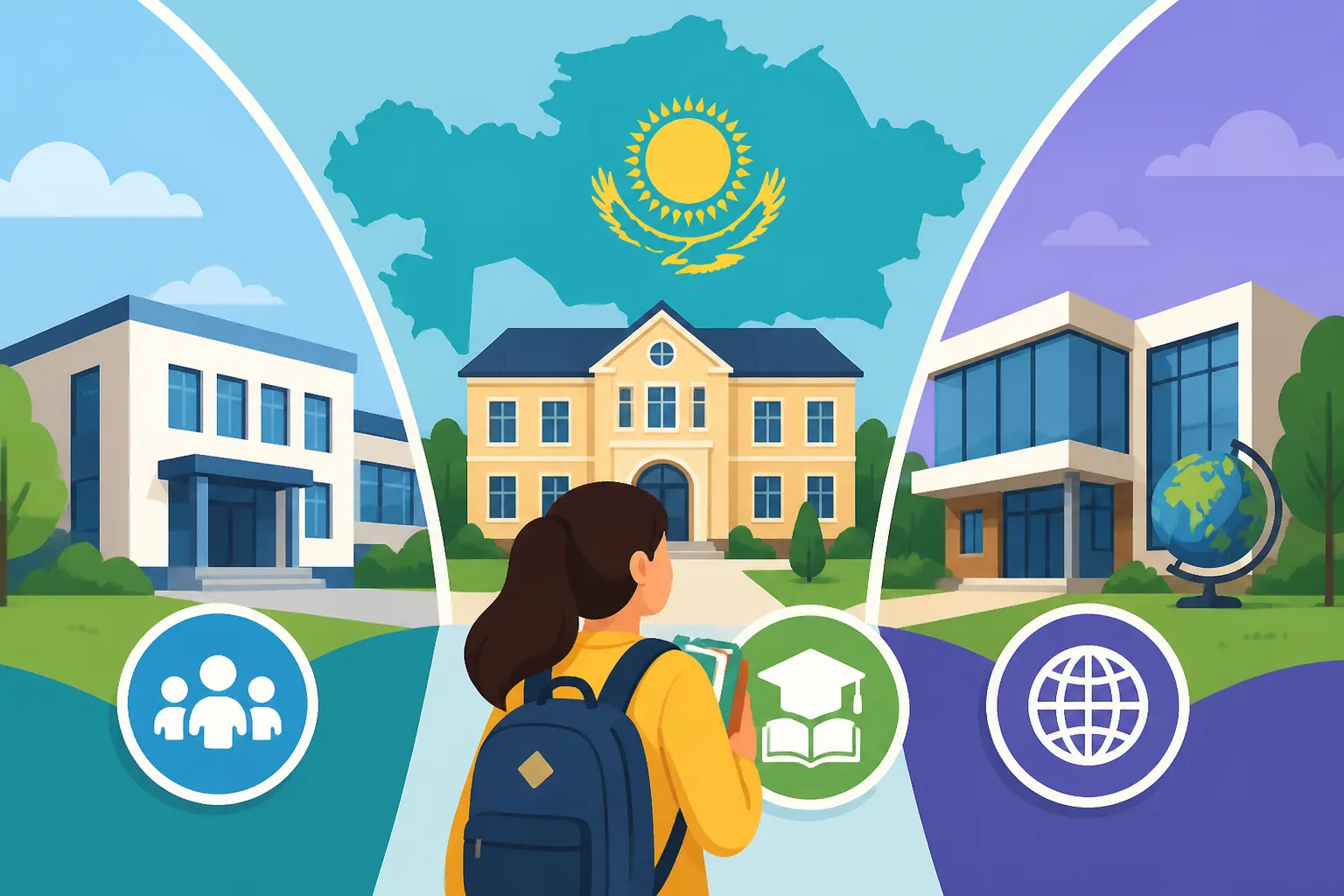
Understanding the School System (Public, Private, International) in Kazakhstan
Stepping into a new country like Kazakhstan with kids often brings one enormous, overarching question that overshadows almost everything else: "Where will my children go to school?" It’s a question that can spark anxiety, confusion, and a frantic web search, and believe me, I’ve been there. The local school system can feel like a labyrinth, especially when you're accustomed to another way of doing things. This comprehensive guide is here to shed light on the educational landscape in Kazakhstan, from the bustling public schools to the familiar international institutions, helping you navigate this crucial decision for your family.
The Broader Landscape of Education in Kazakhstan
Kazakhstan, as a rapidly developing nation, places a significant emphasis on education. The government has invested heavily in modernizing its schools and integrating international standards, while still retaining a strong connection to its cultural roots. This means you'll find a blend of traditional and contemporary educational approaches, which can be both fascinating and a little perplexing for expat parents trying to find the right fit for their children.
A Glimpse into the Kazakhstani Educational Philosophy
At its core, Kazakhstani education, especially in public schools, aims to foster well-rounded individuals with a strong sense of national identity and global awareness. The curriculum is largely state-mandated, ensuring a consistent level of education across the country. You'll find a robust focus on core subjects like mathematics, sciences, history, and languages (Kazakh, Russian, and English). There's a strong emphasis on academic rigor, often with a more traditional, teacher-centric approach compared to some Western systems. For instance, rote learning and memorization might be more prevalent in public schools, alongside a growing push for critical thinking and problem-solving. This dual focus can sometimes present a cultural shift for children coming from more inquiry-based learning environments.
Age Ranges and Educational Stages
Understanding the educational stages is crucial, as the age cut-offs can sometimes differ from what you might be used to. Education is compulsory in Kazakhstan from age 7 to 18.
Here’s a general breakdown:
- Pre-school/Kindergarten (0-6 years old): While not compulsory, many children attend state or private kindergartens. These focus on early childhood development, basic literacy, numeracy, and social skills. Availability in state kindergartens can be limited, especially in bigger cities like Almaty and Astana, often requiring early registration or having long waitlists. Private options are more readily available but come at a higher cost.
- Primary Education (7-10 years old): This typically covers grades 1 to 4. Children start school at age 7 (or 6 if they pass an assessment showing readiness). The curriculum is foundational, covering the basics of reading, writing, arithmetic, and introducing subjects like art, music, and physical education.
- Basic Secondary Education (11-15 years old): This stage, grades 5 to 9, is where the curriculum expands significantly. Students delve deeper into subjects, and specialized teachers for each subject become the norm. At the end of grade 9, students typically take state exams to receive their Basic Secondary Education Certificate.
- Upper Secondary Education (16-18 years old): Grades 10 to 11 (or 12 in some systems). Students can choose between continuing academic education to prepare for university or enrolling in vocational schools. Those aiming for higher education will focus on subjects relevant to their desired university major. State exams are also taken at the end of grade 11 or 12 for university admission.
- Higher Education: Kazakhstan boasts numerous universities and institutes, offering bachelor's, master's, and doctoral degrees.
This structure forms the backbone of the educational journey here, and knowing these age ranges will help you pinpoint where your child might fit in when you arrive.
Public Schools: Integrating into the Local System
Choosing a public school can be a fantastic way for your children to truly immerse themselves in Kazakhstani culture and language. It's often the most cost-effective option, and for families planning a longer stay or wanting their children to become fluent in Kazakh or Russian, it’s certainly worth considering. However, it comes with its own set of unique challenges that expat families need to be prepared for.
The Structure and Curriculum of Kazakhstani Public Schools
Kazakhstani public schools adhere to a national curriculum that emphasizes strong academic fundamentals. The primary languages of instruction are predominantly Kazakh and Russian. In many urban centers, schools might offer classes in either Kazakh or Russian, with a growing number offering a trilingual model where subjects are taught in Kazakh, Russian, and English. However, English as a medium of instruction is still less common in public schools, typically limited to specific English language lessons rather than across the curriculum. Subjects like mathematics, physics, chemistry, biology, history, literature, and geography are core components. The school year typically runs from September to May, with several short breaks throughout. Class sizes can vary, but generally, they are larger than what you might find in private or international schools.
Teachers in public schools are typically highly qualified, holding local university degrees. The teaching style is often more traditional, with a focus on delivering content and assessing knowledge through exams and quizzes. Homework is a regular feature, and parental involvement in monitoring academic progress is expected. If your child is coming from a system that heavily relies on project-based learning or independent research, they might experience a period of adjustment to this more structured approach.
Pros and Cons for Expat Children
There's a lot to weigh up when considering public schools. On the one hand, the cultural immersion is unparalleled. Your child will quickly pick up the local languages, make Kazakhstani friends, and gain a deep understanding of the country's customs and values. This can be an incredibly enriching experience, fostering resilience and adaptability. Moreover, public education in Kazakhstan is free for residents, making it an attractive option from a financial perspective. This can significantly reduce your overall Cost of Living in Kazakhstan for Expats.
However, the language barrier is often the biggest hurdle. Unless your child is already fluent in Kazakh or Russian, they will likely face a steep learning curve. While children are incredibly adaptable, this can be emotionally taxing, particularly for older students. Academic catch-up, especially in subjects where language proficiency is key (like history or literature), can be challenging. Some public schools might not have dedicated support for non-native speakers, meaning your child might have to rely on extra tutoring or parental help to keep up. Also, the educational methodology, as mentioned earlier, might be different from what they are used to, requiring a mental adjustment to the new way of learning.
Enrolment Process and Requirements
Enrolling your child in a Kazakhstani public school can feel like a bit of a bureaucratic dance. It's often handled at the local education department level or directly with the school, usually based on your residential address. The first step is typically to ensure your child has the necessary legal status to attend school in Kazakhstan. You will generally need:
- Child's birth certificate (apostilled/legalized and translated into Kazakh or Russian): This proves their age and identity.
- Child's passport and visa/residence permit: Demonstrates their legal right to reside in Kazakhstan.
- Parent's passports and residence permits: Showing your legal status in the country.
- IIN (Individual Identification Number) for both child and parents: Essential for all administrative processes in Kazakhstan. If you don't have this yet, you'll need to secure it first.
- Medical certificate for the child: This usually involves a medical check-up in Kazakhstan to ensure the child meets local health requirements and vaccinations are up to date.
- Proof of address: A rental contract or property ownership documents will establish which local school district you belong to.
- Previous school records/transcripts: While not always strictly required for admission to primary grades, these can be helpful for placement.
The process to How to Enrol Your Child in a School in Kazakhstan usually kicks off in the spring or early summer for the September intake, so it's wise to start gathering documents well in advance. You might find yourself needing to visit various government offices, and patience will be your best friend. Having local support or a translator during this period can make a world of difference. When you're first arriving, trying to manage all these administrative steps, having a reliable mobile connection is key for coordinating. I remember using an eSIM like those offered by Airalo when I first landed, just to keep communications flowing while getting all my documents in order.
Private Schools: Local Options with Enhanced Resources
Beyond the public system, Kazakhstan also offers a range of private schools. These institutions often bridge the gap between purely local education and the full international school experience. They can be an excellent choice for expat families who appreciate certain aspects of the Kazakhstani curriculum and culture but desire additional resources, smaller class sizes, or perhaps a stronger English language program than typically found in public schools.
Exploring Kazakhstani Private School Offerings
Kazakhstani private schools vary widely in their approach and offerings. Some follow the national curriculum closely but augment it with enriched programs, modern facilities, and a greater emphasis on extracurricular activities. Others might offer a blended curriculum, incorporating elements from international systems while still teaching in Kazakh or Russian as primary languages. You'll find schools that prioritize specific areas, such as arts, sports, or technology. Many local private schools, especially in Almaty and Astana, are increasingly offering enhanced English language instruction, sometimes even bilingual programs where certain subjects are taught in English.
Facilities in private schools are generally superior to public schools, often featuring dedicated science labs, art studios, sports halls, swimming pools, and modern IT infrastructure. Class sizes are typically smaller, allowing for more individualized attention from teachers. These schools are usually independent, granting them more flexibility in their educational programs and teaching methodologies. Notable local private schools might include those affiliated with specific educational foundations or those that have built a strong reputation over the years.
Advantages and Considerations for Expat Families
For expat families, private local schools present a compelling set of advantages. The smaller class sizes mean more personalized learning and a stronger teacher-student relationship. This can be particularly beneficial for children who might need a bit more support as they adjust to a new environment and potentially a new language. The enriched extracurricular programs, ranging from robotics clubs to music lessons and competitive sports, offer broader opportunities for children to explore their interests and develop new skills. If your family is looking for a middle ground—a school that offers a high-quality education with some local flavor but also modern amenities and possibly better language support than a public school—then a local private institution could be a perfect fit.
However, there are also considerations. The primary language of instruction will still largely be Kazakh or Russian, although some schools do offer significant English streams. You'll need to assess the extent of their English program to see if it meets your child's needs. Cost is another factor; while generally more affordable than international schools, private school fees can still be substantial. Tuition typically ranges from a few hundred dollars to over a thousand dollars per month, depending on the school's reputation, facilities, and location. Before committing, it's crucial to understand the full fee structure, including any additional costs for uniforms, books, or activities.
Navigating Admissions and Fees
The admissions process for local private schools is generally more streamlined than for public schools but still requires thorough documentation. Typically, you'll need:
- Application form: Provided by the school.
- Child's birth certificate and passport/residence permit: Similar to public schools, these are for identification and legal status.
- Parents' passports/residence permits.
- IIN for all family members.
- Previous school reports/transcripts: These are often used for assessment and grade placement.
- Entrance exams or interviews for the child: Many private schools conduct their own assessments, especially for older students, to gauge academic readiness and English proficiency.
- Medical certificate.
It's advisable to start the application process several months before the desired enrollment date, as popular private schools can have waiting lists. Most schools will require an application fee, and once admitted, a non-refundable registration fee. Tuition fees are usually paid annually or in installments. You’ll find the breakdown of costs can vary widely, so asking for a clear fee schedule is a must. Remember, Understanding the Cost of International and Private Schools in Kazakhstan involves more than just tuition; factor in transport, uniforms, lunch, and extracurriculars. It's always a good idea to visit a few schools, if possible, to get a feel for the environment and speak directly with the admissions team.
International Schools: A Familiar Environment Abroad
For many expat families, international schools represent a familiar and often comforting choice. They offer continuity of curriculum, language, and teaching methods, easing the transition for children moving from one country to another. Kazakhstan, particularly in its major cities of Almaty and Astana, has a growing number of reputable international schools catering to the diverse expat community.
The Landscape of International Schools in Kazakhstan
Kazakhstan's international school scene has flourished in recent years, largely driven by the influx of foreign businesses and diplomatic missions. The majority of these schools are located in Almaty, the country's largest city, and Astana (now Nur-Sultan again, but still frequently referred to as Astana by many expats), the capital. These schools typically offer globally recognized curricula, such as the International Baccalaureate (IB) Programme, the British National Curriculum, or an American-style curriculum.
Some of the most prominent international schools include:
- Haileybury Almaty and Haileybury Astana: These are British-curriculum schools, often highly sought after for their academic rigor and well-established reputations.
- QSI International School of Almaty and QSI International School of Astana: These schools offer an American curriculum and are known for their flexible enrollment and individualized approach.
- Miras International School (Almaty and Astana): While retaining a strong Kazakhstani identity, Miras schools often offer the IB curriculum alongside a local component, providing a unique blend of international and local education.
- Nazarbayev Intellectual Schools (NIS): Although state-funded and highly competitive, some NIS schools offer an internationally benchmarked curriculum (often IB) with instruction in English, Russian, and Kazakh. They are an elite option and challenging for foreign nationals to get into.
These schools pride themselves on their multicultural environments, often having students and staff from dozens of different nationalities. They typically boast state-of-the-art facilities, including extensive sports complexes, performing arts centers, and advanced technology integration.
Benefits and Drawbacks for Expat Children
The benefits of international schools are numerous, especially for children who are frequently relocating or for whom English is their first language. The primary advantage is curriculum continuity. A child moving from an IB school in one country can seamlessly transition to an IB school in Kazakhstan, maintaining academic progress without significant disruption. The language of instruction, usually English, eliminates the language barrier, allowing children to focus on their studies and social integration rather than grappling with a new linguistic environment. International schools also often provide robust English as an Additional Language (EAL) support for non-native speakers.
Furthermore, these schools cultivate a truly international community. Children develop a global perspective, interacting with peers from diverse backgrounds, and parents often find a ready-made social network among other expat families. This can be invaluable for settling into a new country. However, this "expat bubble" can also be a drawback. Children might have fewer opportunities for deep cultural immersion into Kazakhstani society, and their social circle might remain largely international. The most significant drawback for most families is the cost. How Much Are International School Fees in Almaty? can be eye-watering, often running into tens of thousands of dollars per year per child. This makes them unaffordable for many, unless an employer covers the tuition.
Application Procedures and Costs
Applying to an international school generally follows a standard procedure, though each school will have its specific requirements. Here’s a typical outline:
- Online Application: Most schools have an online application portal where you submit initial details.
- Required Documents: You'll need:
- Child's birth certificate and passport.
- Parents' passports.
- Previous school reports for the past 2-3 years (translated into English).
- Any psychological or educational assessments if your child has special learning needs.
- Application fee (non-refundable).
- Assessments and Interviews: Many international schools require applicants to sit for admission tests (measuring English proficiency, math, and sometimes reasoning skills) and/or attend an interview. This is to ensure the child can thrive within their curriculum.
- Offer and Enrollment: If accepted, you'll receive an offer letter, often with a deadline to accept and pay a non-refundable enrollment deposit.
- Tuition Payment: Tuition is usually paid annually or termly.
As mentioned, costs are substantial. Understanding the Cost of International and Private Schools in Kazakhstan for these institutions goes beyond just tuition. You'll need to factor in:
- Application Fee: Usually a few hundred dollars.
- Enrollment/Registration Fee: A one-time fee, often several thousand dollars.
- Annual Tuition Fees: Can range from $10,000 to $30,000+ per year, per child, depending on the school and grade level.
- Capital Levy/Development Fee: Some schools charge an annual fee to contribute to facility upgrades.
- Bus Services: Optional, but often expensive.
- Lunch Programs: Optional.
- Uniforms: Mandatory at many schools.
- Extracurricular Activities: Some may have additional charges.
- EAL Support: Sometimes charged separately.
Given the high demand, particularly for younger grades, it's not uncommon for popular international schools to have waiting lists. It’s highly recommended to apply as early as possible, even before you physically move, if you're set on a specific school. Remember to also consider your chosen neighborhood; many expat families choose How to Find Family-Friendly Neighbourhoods in Almaty that are conveniently located near these schools. Searching for housing or planning your move with a service like Sirelo can help you factor in school proximity from the outset.
Specialized Education and Alternative Options
Beyond the traditional public, private, and international schools, it's also worth considering other educational avenues, especially if your child has particular needs or if you're looking for supplementary learning opportunities. The educational landscape in Kazakhstan is evolving, and with it, the range of support systems available for expat children.
Language Schools and Tutoring Support
No matter which school system you choose, language proficiency is often a key to success and integration. For expat children enrolled in public or local private schools, strong tutoring support in Kazakh or Russian can be invaluable. Many private tutors, including university students or retired teachers, offer lessons at reasonable rates compared to Western countries. You can often find them through recommendations from other expat parents, local community groups, or online platforms. These tutors can help bridge the language gap, assist with homework, and provide cultural context that might be missed in a standard classroom setting.
Conversely, for children in international schools, or those from non-English speaking backgrounds, additional English language support might be necessary. Dedicated language centers and private English tutors are also widely available, especially in Almaty and Astana. These can help accelerate their English proficiency, ensuring they can fully access the international curriculum. Furthermore, if you plan for a longer stay and want your child to integrate more fully into Kazakhstani society, sending them to a local language school or getting a private tutor for Kazakh or Russian can be a wonderful supplement, regardless of their primary school. This gives them a chance to learn the local tongue in a less pressured environment.
Online Learning and Homeschooling Considerations
Online learning has gained significant traction globally, and Kazakhstan is no exception. While less common for full-time schooling among expats, it is a viable option for some families. Several accredited online schooling providers offer curricula (e.g., British, American, IB) that allow children to learn remotely from anywhere in the world. This can be particularly appealing for families with very transient lifestyles or those who prefer a highly customized educational approach.
However, before diving into homeschooling or online schooling, it's crucial to understand the legal framework in Kazakhstan. While the country's laws primarily focus on compulsory education within established institutions, homeschooling is technically permitted under specific conditions, primarily through parental application and regular assessments by local education authorities. The practicalities and exact legal nuances for expats might still require careful navigation, as interpretations can vary. It's best to consult with legal experts specializing in education or the local education department if you plan to fully homeschool your child in Kazakhstan. For many, a hybrid approach – attending a local school while supplementing with online courses or tutoring – might offer the best of both worlds.
Making the Right Choice for Your Family
Deciding on the right school for your child in a new country is a deeply personal and often complex decision. There's no one-size-fits-all answer, as what works for one family might not suit another. It requires careful consideration of your family's unique circumstances, priorities, and long-term plans.
Key Factors to Consider When Choosing a School
When weighing your options, keep these critical factors in mind:
- Child's Age and Personality: Younger children often adapt to new languages and environments more quickly. An outgoing child might thrive in a public school, even with a language barrier, while a more reserved child might benefit from the familiarity of an international school.
- Language Proficiency: How strong are your child's Kazakh, Russian, or English skills? Does the school offer adequate language support?
- Duration of Stay: If you plan to be in Kazakhstan for only a year or two, an international school might offer more continuity for re-entry into your home country's system. For longer stays, local integration through public or local private schools becomes more appealing.
- Budget: This is a significant factor. Public schools are free, local private schools have moderate fees, and international schools are very expensive. Understanding The Cost of Healthcare in Kazakhstan: A Complete Breakdown for Foreigners (2026) or your housing costs (especially if you're looking for How to Find an Apartment Near International Schools in Almaty?) will also impact your overall budget for education.
- Curriculum: Do you prefer an international curriculum (IB, British, American) or the Kazakhstani national curriculum? How important is it for your child to continue a familiar academic path?
- Future Plans: Where do you envision your child continuing their education after Kazakhstan? This will influence the type of curriculum that best prepares them.
- Cultural Immersion vs. Familiarity: How important is it for your child to deeply immerse in Kazakhstani culture versus maintaining a familiar cultural and social environment?
- Location: The school's proximity to your home is crucial. Commuting can be time-consuming in large cities like Almaty. When you're looking at The Best Places to Live in Kazakhstan for Expats: A Complete Guide (2027), school zones should definitely be a consideration.
Remember, this isn't just about academics; it's about your child's overall well-being and happiness.
Visiting Schools and Engaging with the Community
Perhaps the most crucial step in making your decision is to visit the schools you are considering. Websites and brochures can only tell you so much. A school visit allows you to:
- Observe the Atmosphere: Does the school feel welcoming? Are the children engaged and happy?
- Meet Staff and Teachers: Speak with admissions officers, principals, and potentially a few teachers. Ask about their philosophy, support systems, and how they handle new students.
- Assess Facilities: Check the classrooms, library, sports areas, and labs.
- Ask Specific Questions: Don't be afraid to delve into details about class sizes, language support, extracurriculars, discipline policies, and parental involvement.
Beyond school visits, engage with the broader expat community. Join online forums, Facebook groups for expats in Almaty or Astana, or attend expat meet-ups. Other expat parents who have been through the schooling decision will be your best resource for unfiltered, real-world advice and recommendations. They can offer insights into the practical day-to-day realities, the challenges, and the triumphs of specific schools. Don't underestimate the power of these informal networks; they can provide invaluable support as you navigate The Complete Guide to Moving to Kazakhstan: Your First 90 Days (2027) and beyond. Ultimately, finding the right school is a journey, not a destination, and being well-informed is your best tool.
Disclaimer
Please note that while I strive to provide the most accurate and up-to-date information, regulations and educational policies in Kazakhstan can change. It is always advisable to verify specific requirements, fees, and procedures directly with the relevant schools and local educational authorities or a legal professional before making any final decisions. This guide is for informational purposes only and does not constitute official legal or educational advice.