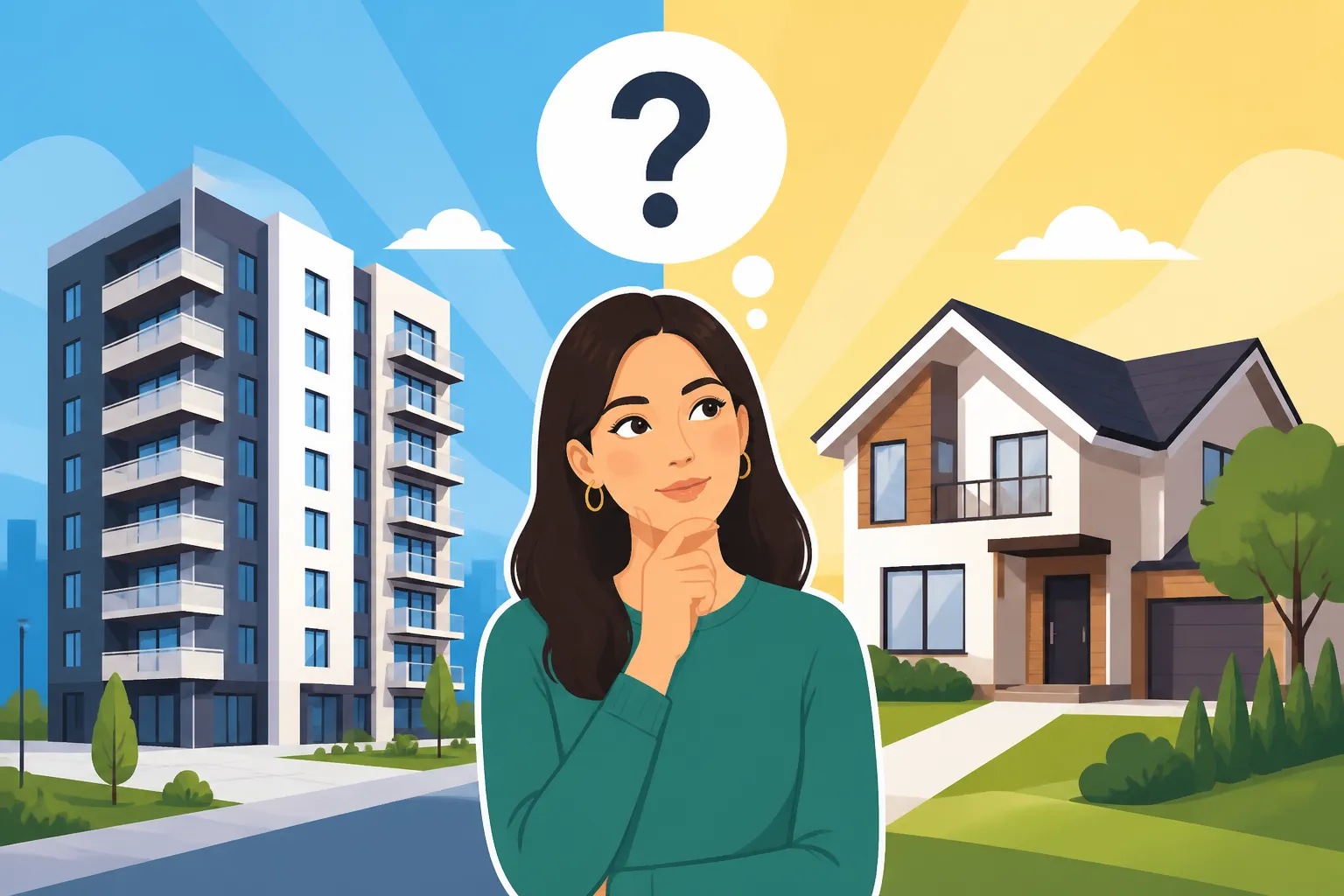
How Do I Choose Between an Apartment and a House in Kazakhstan?
Ah, the eternal expat dilemma in Kazakhstan: do I go for the cozy apartment or brave the boundless expanse of a standalone house? It’s a question that gnaws at many of us, especially when you’re used to different housing norms back home. The truth is, both options here offer unique joys and unique headaches, and this guide is here to help you dissect those choices, offering a realistic look at what living in an apartment versus a house in Kazakhstan truly entails.
The Initial Culture Shock: More Than Just Four Walls
When you first land in Kazakhstan, whether it's the bustling metropolis of Almaty or the futuristic capital of Astana, you’re not just looking for a place to sleep; you’re looking for a home that fits your lifestyle. But what you might expect from a home can be vastly different from what you find here, and that’s perfectly normal to feel a bit disoriented.
Understanding Kazakhstani Housing Norms
Kazakhstan’s housing landscape is a fascinating blend of Soviet-era architecture, modern high-rises, and sprawling private homes. Traditionally, city living for most Kazakhstani families has been apartment-centric, often in multi-story concrete buildings (some older, some very new). These apartments, known as kvartira, form the backbone of urban residential areas. The concept of a standalone house, or dom, especially one with a garden, has often been associated more with suburban areas, villages, or those with higher incomes who seek more space and privacy.
In the heart of cities like Almaty, especially in the desirable central districts or near major transport links, apartments dominate. They're built for convenience, with easy access to shops, restaurants, and public transportation. Newer developments often boast secure courtyards, underground parking, and even small playgrounds. Older buildings, while perhaps lacking some modern amenities, often have a certain charm and established community. The collective management of these buildings, known as a KSK, is a common feature, handling shared utilities and common area maintenance – a concept that can take some getting used to.
The Expat Lens: What We're Used To vs. What We Find
Let's be honest, many of us expats arrive with certain preconceptions based on our home countries. Perhaps you're from a place where houses with yards are the norm, or where apartments mean ultra-modern, soundproofed units. In Kazakhstan, you might find that the "modern" apartment complexes have thinner walls than you're used to, or that the concept of "unfurnished" means truly empty, without even light fixtures. And finding a house with a neatly manicured lawn like you'd see in a Western suburb? That's a different beast entirely.
The sheer scale of homes can also be surprising. Apartments might be smaller than your typical North American or European flat, but houses can often be much larger, sometimes spanning multiple stories and boasting vast rooms, though the interior design might be a step back in time in older properties. The infrastructure, too, can be a learning curve. Heating is almost universally central heating, often controlled at a city or district level rather than individual thermostats in older buildings. Utilities, while generally affordable, have their own quirks to set up. It’s important to remember that Kazakhstan has its own way of doing things, and adapting your expectations will make the process much smoother.
Deep Dive into Apartments: The City Dweller's Life
For many expats, especially those moving for work in the city centers or looking for a more "turnkey" solution, apartments are the go-to. They offer a certain urban rhythm and convenience that’s hard to beat, but they also come with their own set of considerations.
The Pros of Apartment Living in Kazakhstan
One of the biggest draws of apartment living is location, location, location. In cities like Almaty or Astana, apartments – especially those in desirable areas – put you right in the thick of things. You're often within walking distance of cafes, supermarkets, parks, and excellent public transport links. This means less reliance on a car, which can be a huge stress reliever if you’re not keen on navigating Kazakhstani traffic or dealing with parking. Want to know more about How Much Does It Cost to Rent an Apartment in Almaty in 2026?? We've got a detailed breakdown.
Convenience is another major plus. Apartments in modern complexes often come with 24/7 security, controlled access, and sometimes even amenities like gyms or play areas for children. Maintenance, particularly for shared infrastructure like heating, water, and building cleanliness, is typically handled by the building management (the KSK). This takes a significant load off your shoulders, as you're not directly responsible for shoveling snow from the driveway in winter or fixing a leaky roof. Understanding Building Maintenance Fees (KSK) for Apartments in Kazakhstan can help you budget for these costs.
Furthermore, apartment living can foster a sense of community. You'll often see neighbors interacting in the courtyards, especially if there are children. It can be a great way to meet local families and other expats. For those who value a social life or simply want to feel connected to the urban pulse, an apartment provides that immediate access. Plus, setting up utilities like How Do I Set Up Electricity After Moving to Kazakhstan? or How Do I Set Up Internet in My Kazakhstan Home? can feel a bit more streamlined when you're in a managed building.
The Cons and Compromises of Apartments
However, apartment living isn’t without its trade-offs. The most common complaint among expats, especially those used to larger homes, is the limited space. While some apartments are generously sized, many, particularly older ones, can feel cramped, especially for families with children or those who need a dedicated home office. Balconies might be small, and actual green space outside your window can be non-existent.
Noise can be a significant issue. As I mentioned, insulation in some buildings, both old and new, might not be up to Western standards. You might find yourself intimately familiar with your neighbors' daily routines, their music tastes, or their children's playtimes. Shared walls mean shared sounds, and this can be a real challenge for light sleepers or those who value quiet solitude.
Parking can also be a nightmare, especially in older, densely populated areas. While newer complexes often offer underground parking for a fee, street parking can be fiercely competitive. Imagine circling the block for ages after a long day at work, only to park several minutes away from your building. Finally, while KSKs handle common maintenance, dealing with issues within your apartment often requires contacting your landlord, and their responsiveness can vary wildly. Sometimes getting repairs done can involve a lot of phone calls, patience, and perhaps a bit of creative problem-solving due to language barriers. For a deeper dive into the rental landscape, you can check out The Complete Guide to Renting an Apartment in Kazakhstan (2027).
Embracing the House: Space, Garden, and Independence
For those craving more space, privacy, or a connection to the outdoors, a standalone house might seem like the perfect antidote to apartment living. Kazakhstan offers a variety of houses, from charming older homes to grand, newly built villas.
The Upsides of Renting or Buying a House
The most obvious advantage of a house is space and privacy. You’ll typically have more square footage, both indoors and out. This is a game-changer for families with children, giving them room to run around, play in a garden, or simply have their own space. If you work from home, a dedicated office away from the main living areas becomes a real possibility. Pet owners will also rejoice, as houses often mean more freedom for furry friends to roam without strict apartment rules.
A house grants you a level of independence and autonomy that an apartment simply can’t. You won't have to deal with noisy neighbors through a shared wall, nor will you be restricted by KSK rules on renovations or common area usage. If you're buying, you have full control over modifications and improvements. Many houses come with a garage, solving the frustrating parking problem. Plus, having your own garden, however big or small, can be a therapeutic escape and a wonderful space for entertaining or just enjoying the fresh air, especially in cities like Almaty with its mountain backdrop.
Beyond the practical, there's a certain lifestyle appeal to house living. It often means a quieter environment, a retreat from the city's hustle and bustle. For those who enjoy gardening, barbecues, or simply having a private outdoor sanctuary, a house provides that opportunity. It can feel more like a permanent home, even if you’re just renting for a few years.
The Challenges and Realities of House Ownership/Rentals
Now for the flip side: houses in Kazakhstan, while offering many advantages, come with a steeper set of challenges. The cost is usually higher, both in terms of rent or purchase price. For foreigners interested in purchasing, it's worth noting the specifics of Can Foreigners Buy Property in Kazakhstan?. Additionally, utility bills for larger properties can be significantly higher, especially heating during the long, cold Kazakhstani winters. Maintenance, which was a "pro" for apartments, becomes a "con" for houses: all maintenance, from garden upkeep to roof repairs, falls squarely on your shoulders as a renter (via your landlord) or owner.
Location is another key consideration. While you might find some houses within city limits, many desirable houses are located in suburban areas or on the outskirts of major cities. This often means longer commutes to work or schools, and less immediate access to public transport or city amenities. Relying on your own car becomes almost essential, and that brings its own set of costs and hassles with petrol, insurance, and maintenance.
Preparing a home for winter in Kazakhstan is no small feat. You'll be responsible for snow removal, ensuring your pipes are insulated, and making sure the heating system is robust. You can check out How to Prepare Your Home for Winter in Kazakhstan for some tips. Finding reliable, English-speaking handymen or contractors can be a significant hurdle, often requiring local connections or a good grasp of Russian or Kazakh. This individual responsibility can feel overwhelming if you’re not prepared for it, turning what seemed like independence into a constant stream of chores and problem-solving. Logistics for moving larger belongings might also require more specialized services; a company like Sirelo can help you find reliable international movers for your larger household items, making the transition smoother.
Practical Considerations for Your Decision
Choosing between an apartment and a house isn't just about personal preference; it's about practicalities, budget, and lifestyle integration into your new Kazakhstani life.
Lifestyle, Family, and Financial Factors
Before you commit, take a moment to truly assess your lifestyle. Are you a city person who thrives on being close to the action, or do you prefer a quieter, more secluded environment? If you’re a single person or a couple without children, an apartment might offer more than enough space and less hassle. However, if you have a family with young children or teenagers, the extra space of a house, especially a garden, can be invaluable for their well-being and play.
Consider your work commute and the location of schools if you have children. How much time are you willing to spend traveling each day? While public transport in Almaty and Astana is decent, it might not reach every suburban house efficiently.
Perhaps the most critical factor is finance. Seriously crunch the numbers. Compare not just rent or mortgage payments, but also utility costs, maintenance budgets, and potential transport expenses. Remember that How Much Is the Cost of Living in Kazakhstan for Expats? can vary significantly depending on your housing choice. Houses often demand a larger upfront deposit for renters, and for buyers, the process involves more complex legal steps and fees. Don't forget about securing your finances with a local bank; you'll need an IIN (Individual Identification Number) to open a bank account in Kazakhstan.
| Feature | Apartment (City Center/Modern) | House (Suburban/Outskirts) |
|---|---|---|
| Space | Generally smaller, but well-designed. Limited outdoor space (balcony). | Significantly more indoor and outdoor space (garden, yard). |
| Privacy | Less private due to shared walls, common areas, and proximity to neighbors. | High level of privacy, no shared walls, private outdoor areas. |
| Location | Central, close to amenities, public transport, and expat hubs. | Often suburban or on city outskirts, requiring more travel. |
| Maintenance | Mostly handled by KSK/building management for common areas; landlord for interior issues. | All maintenance (garden, roof, heating, etc.) is landlord's/owner's responsibility. |
| Security | Often features 24/7 security, controlled access, CCTVs in modern complexes. | Requires individual security measures (fences, alarms, gates). |
| Cost | Potentially lower rent/purchase price for similar square footage. Lower utility bills. | Higher rent/purchase price. Significantly higher utility bills, especially heating. |
| Community | Easier to connect with neighbors and feel part of an urban community. | More isolated, community building relies on conscious effort. |
| Transport | Excellent access to public transport (bus, metro in Almaty). Less need for a car. | More reliant on a personal car. Longer commutes. Limited public transport options. |
| Pets | Often restricted or subject to landlord approval and fees. | More freedom for pets, especially those needing outdoor space. |
Navigating the Rental Market and Legalities
Once you have a clearer idea, it's time to hit the ground running. For both apartments and houses, finding a reputable real estate agent is highly recommended. While you can browse local websites, an agent who understands the expat market and speaks English (or your native language) can save you immense time and headaches. They can help you sift through options, arrange viewings, and, crucially, assist with the paperwork. You can find more tips on How Do I Find a Real Estate Agent in Kazakhstan?.
When you find a place, pay close attention to the rental contract. Kazakhstani rental agreements can sometimes be quite basic, so ensure all terms are clearly laid out, including rent, deposit, utility responsibilities, and conditions for breaking the lease. Always get everything in writing and make sure you fully understand what you are signing. If you need help, consult with local legal advice. Understanding Tenant and Landlord Rights in Kazakhstan is paramount. And, of course, be prepared to pay a security deposit, typically one month's rent. Knowing How Do I Sign a Rental Contract in Kazakhstan? correctly is vital for your peace of mind.
Getting Connected and Settled: Utilities and Beyond
Once you’ve got your keys, the next step is getting settled. Whether apartment or house, you’ll need to set up utilities like internet and mobile service. For mobile service, it’s often easiest to grab a local SIM card upon arrival, but for initial connectivity, especially before you settle on a long-term plan, an eSIM from a provider like Airalo can be incredibly useful. It allows you to have data access from the moment you land, helping you navigate, communicate, and stay connected while you sort out your local options. Then, you can research How Do I Set Up Internet in My Kazakhstan Home? and pick a reliable local provider.
For electricity, water, and heating, the process typically involves registering the utility accounts in your name (or your landlord's, if renting, with you paying them directly). This can be a bureaucratic process, often requiring your IIN and a bit of patience. Familiarize yourself with how to pay these bills, often through bank apps like Kaspi.kz or via payment terminals.
Finally, consider your daily life. If you’ve chosen a house outside the city center, how will you get groceries? Where will your children play? If you've opted for an apartment, how will you manage the smaller space and potential noise? Thinking through these practicalities before you move in will prevent many future stresses. Choosing What Are the Best Cities to Live in Kazakhstan? for expats can significantly impact these daily logistics.
The decision between an apartment and a house in Kazakhstan boils down to understanding your own needs and realistic expectations, then matching them against the local realities. Both options can provide a wonderful home, but they each demand a different level of engagement and adaptation from the expat.
Disclaimer
Please note that this guide provides general information based on common expat experiences in Kazakhstan and publicly available data. Regulations, prices, and procedures can change. It is always advisable to consult with relevant legal professionals, real estate agents, and local authorities for the most current and personalized advice regarding your specific situation in Kazakhstan.