Can I Pay My Kazakhstani Taxes from Abroad?
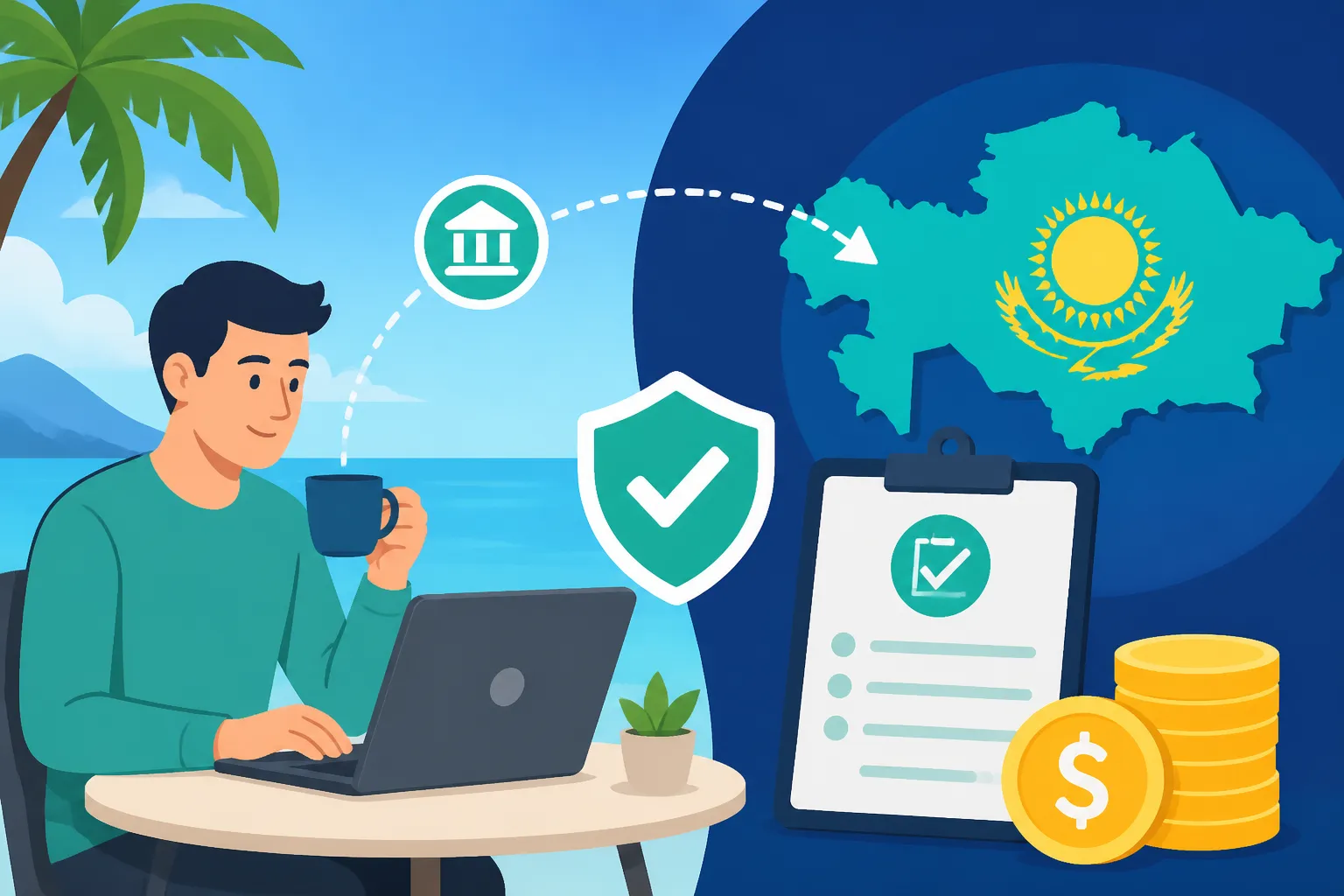
One of the biggest headaches when you're an expat, especially if your job has you bouncing between countries or if you've simply moved on from Kazakhstan, is figuring out how to handle those lingering financial obligations. You might be miles away, enjoying a different climate, but the question of "Can I pay my Kazakhstani taxes from abroad?" can still loom large. This guide is here to tell you, yes, it’s absolutely possible, but it requires understanding a few crucial steps and sometimes a bit of patience. We'll walk you through everything you need to know to keep your tax affairs in order, no matter where you are in the world.
Understanding Your Tax Obligations When Outside Kazakhstan
First things first, let's clear up a common misconception: just because you've left Kazakhstan doesn't automatically mean you're off the hook for taxes. Your obligation largely hinges on your tax residency status and the source of your income. The Kazakhstani tax system, like many others, has rules designed to determine who owes what, even when they're not physically present in the country. This can feel like a labyrinth at times, especially when you're trying to navigate it from afar, but it's a critical foundation to understand.
Tax Residency Status: The 183-Day Rule
The cornerstone of determining your tax obligations in Kazakhstan, especially when you're moving in and out of the country, is the concept of tax residency. For individuals, Kazakhstan primarily applies the "183-day rule." This means if you spend 183 calendar days or more within any consecutive 12-month period in Kazakhstan, you are generally considered a tax resident. This period doesn't have to be continuous; it's the cumulative number of days.
Let's imagine a scenario: You moved to Kazakhstan for a work assignment in March 2023, spent six months there, then were temporarily relocated to another country for three months, only to return to Kazakhstan for another four months. In this situation, even with the break, the total number of days spent in Kazakhstan within a 12-month period would likely exceed 183, making you a tax resident for that period. As a tax resident, you are liable to pay taxes on your worldwide income in Kazakhstan, unless a double taxation agreement with another country says otherwise. This is why understanding Tax Residency in Kazakhstan: A Definitive Guide for Expats (2027) is so important.
However, if you've left Kazakhstan permanently, or you spend less than 183 days there in a 12-month period, you might be considered a non-resident for tax purposes. Even then, you might still have a tax liability on income sourced from Kazakhstan. For example, if you own property in Almaty and rent it out, the rental income would be considered Kazakhstani-sourced income, and you'd still owe tax on it, regardless of where you currently live. This distinction is crucial and can often be a source of confusion for expats who think that simply leaving the country severs all financial ties. It’s important to track your entry and exit dates rigorously, as the migration service records are definitive and can be cross-referenced by the tax authorities.
Types of Income Subject to Kazakhstani Tax While Abroad
Even if you're not considered a tax resident by the 183-day rule, certain types of income originating from Kazakhstan will still be subject to Kazakhstani tax. This is where many expats get caught out, assuming "out of sight, out of mind" applies. Unfortunately, the tax authorities have a long reach when it comes to source-based income.
The most common types of income that fall into this category include:
- Rental Income: As mentioned, if you own property in Kazakhstan and receive rental payments, that income is taxable in Kazakhstan. The flat 10% individual income tax rate applies here, and you'll need to declare it. This often means working with a local property management company or trusted individual who can help manage the financial side and ensure compliance.
- Income from a Kazakhstani Employer: If you've moved abroad but your former Kazakhstani employer is still paying you, perhaps for consultancy work or outstanding bonuses, this income is still sourced from Kazakhstan and will be subject to local tax. Your former employer might even withhold the tax at source, but it's vital to confirm this and ensure you receive the correct documentation for your own records.
- Income from the Sale of Kazakhstani Property or Assets: If you sell a property, shares in a Kazakhstani company, or other assets located in Kazakhstan, any capital gains derived from that sale are generally taxable in Kazakhstan. There are often nuances based on how long you've owned the asset, but it’s a significant area of potential liability. Understanding The Complete Guide to Property and Transaction Taxes in Kazakhstan (2027) can help you navigate these complexities.
- Dividends, Interest, and Royalties from Kazakhstani Sources: If you have investments in Kazakhstani companies or receive interest from Kazakhstani bank accounts, these earnings are typically subject to withholding tax at source. While the tax might be deducted automatically, you should still be aware of the rates and ensure proper reporting, especially if you need to claim foreign tax credits in your current country of residence.
It's absolutely essential to be honest and thorough with your tax declarations. The State Revenue Committee (SRC) has become increasingly sophisticated in its ability to track income and transactions, even across borders. What might seem like a small oversight can lead to penalties and complications down the line. Many expats turn to specialist services like Taxes for Expats who can help decipher these cross-border complexities and ensure all declarations are correctly filed, saving a lot of potential headaches.
Navigating the Payment Process for Kazakhstani Taxes from Overseas
Alright, so you've figured out that you do indeed have a tax obligation in Kazakhstan, even from abroad. Now comes the nitty-gritty: how do you actually pay? This is where technology steps in to save the day, although not without its own set of unique expat-specific hurdles. The key is understanding and utilizing Kazakhstan's digital government platforms.
The eGov Portal and Taxpayer Cabinet: Your Digital Lifeline
Kazakhstan has made significant strides in digitalizing its government services, and tax administration is no exception. Your primary tools for managing and paying taxes from abroad will be the eGov portal (egov.kz) and, more specifically, the "Taxpayer Cabinet" (cabinet.salyk.kz), which is part of the State Revenue Committee's online system. Think of these as your virtual passport to fulfilling your civic duties.
To access these portals, you absolutely must have an Individual Identification Number (IIN), which is Kazakhstan's equivalent of a tax ID or national ID number. If you don't have one, you'll need to apply for it first. Getting an IIN is one of the very first things you do when you move there, as explained in How to Get an IIN Individual Identification Number in Kazakhstan. You'll also need a valid digital signature (EDS, or Electronic Digital Signature) to log in and authorize transactions. This EDS is tied to your IIN and acts as your secure electronic identity.
Here's a simplified step-by-step for the general process:
- Access the Taxpayer Cabinet: Go to cabinet.salyk.kz. You'll need your IIN and EDS to log in. The EDS file is typically stored on your computer or a secure USB token. If you're using a new computer abroad, ensure your EDS is properly installed and recognized by the browser. This can sometimes be a technical hurdle, requiring specific browser settings or add-ons.
- File Your Tax Declaration: Within the Taxpayer Cabinet, you can find the relevant forms to file your annual tax return. For most individuals, this would be Form 240.00 (Declaration of Individual Income Tax). This is where you declare your income, deductions, and calculate your tax liability. The portal is usually in Kazakh and Russian, so having a good online translator or, ideally, someone who can read these languages is incredibly helpful. This process is detailed further in Filing Your Tax Return with the State Revenue Committee in Kazakhstan: The Complete Walkthrough (2027).
- Generate a Payment Order: Once your declaration is submitted and accepted, the system will generate a payment order (or allow you to view your tax liability). This order will contain all the necessary details for making a payment: the unique payment code, the beneficiary's bank details (usually the Treasury/State Revenue Committee), and the amount due.
- Initiate Payment: This is the part that connects your international location to the Kazakhstani system.
It's critical to keep your EDS certificate active and accessible. These certificates typically have an expiry date, and renewing them from abroad can be a bureaucratic nightmare if not planned. Always check the validity of your EDS well in advance of tax deadlines.
Payment Methods and International Transfers
Once you have your payment details, the challenge is getting your money from your overseas bank account into the Kazakhstani treasury. Direct bank transfers are usually the most reliable method.
Here’s how you can approach it:
- International Bank Transfer (SWIFT/SEPA): Most major banks worldwide offer international wire transfer services. You will need the exact bank details from your payment order, including:
- Beneficiary Name (e.g., "State Revenue Committee")
- Beneficiary Bank Name (e.g., "Treasury Committee of the Ministry of Finance of the Republic of Kazakhstan")
- SWIFT/BIC Code of the Beneficiary Bank
- IBAN/Account Number of the Beneficiary
- Payment Purpose Code (PPC) and Tax Code (KNP/KBK) – these are absolutely crucial as they ensure your payment is correctly allocated to your specific tax liability. Without these, your payment might sit in an unallocated fund, causing endless delays and potential penalties.
- Your IIN as a reference.
When making the transfer, pay close attention to the currency exchange rates and any associated fees. Your bank might offer less favorable rates, and intermediary banks can also levy charges, which means less money arrives in Kazakhstan than you intended. This could lead to an underpayment and subsequent fines. Always factor in potential deductions and send slightly more than the exact amount if you are unsure.
-
Online Money Transfer Services: For smaller amounts or for those seeking potentially better exchange rates and lower fees, services like Wise (formerly TransferWise) can be a godsend. They specialize in international money transfers with transparent fees and mid-market exchange rates. You can typically set up a transfer from your local bank account to a Kazakhstani bank account (in this case, the Treasury's account) using the same beneficiary details required for a SWIFT transfer. While you might not be directly paying "taxes" through their platform, you're using them to send funds to the correct government account. Just be sure to accurately include all the payment purpose codes and your IIN in the reference fields provided by the service. This is often an easier and more cost-effective way to get the funds across the border. Many expats use these services for various payments, as detailed in How to Transfer Money Into and Out of Kazakhstan as an Expat.
-
Through a Local Representative: If the digital portals and international transfers prove too challenging, you can grant a power of attorney (POA) to a trusted individual or a professional tax consultant in Kazakhstan. This person can then log into your Taxpayer Cabinet, file your declarations, and make payments on your behalf using local banking methods. This often comes with a fee, but it can be invaluable for peace of mind, especially if you're dealing with language barriers or significant time zone differences. The POA needs to be properly notarized and, if issued outside Kazakhstan, often apostilled and translated into Kazakh or Russian.
Important Note on Proof of Payment: Always keep detailed records of your international bank transfers, including transaction IDs, confirmation emails, and screenshots. If there's ever a dispute or query from the State Revenue Committee, you'll need this proof that you fulfilled your obligation.
Common Challenges and Solutions for Overseas Tax Payments
Paying taxes from abroad isn't always a smooth sail. There are a few recurring challenges that expats face, and it's good to be prepared with solutions. These often stem from the geographical distance, language barriers, and the intricacies of international finance.
Dealing with Deadlines and Time Zones
Tax deadlines in Kazakhstan, like everywhere else, are strict. For individual income tax (Form 240.00), the annual declaration deadline is typically March 31st of the year following the reporting year. The payment deadline for the declared tax is usually April 10th. Missing these deadlines can result in fines and penalties, which is the last thing you want when you're already trying to manage things from afar.
The biggest issue is often simply remembering the deadlines, especially if you're now living in a country with a different tax year or different filing dates. Couple that with significant time zone differences, and what seems like an early morning task can quickly become a late-night scramble or, worse, an oversight.
Solutions:
- Set Multiple Reminders: Don't rely on your memory. Set calendar reminders (Google Calendar, Outlook, etc.) well in advance of both the filing and payment deadlines. Schedule them a week out, then a few days out, and finally on the day itself.
- Automate Where Possible: While direct debit for taxes isn't common for international payments, you can automate parts of your process. For instance, if you're using a service like Wise, you can often set up transfers a few days in advance to ensure they arrive before the payment deadline, accounting for processing times.
- Plan for Contingencies: What if your internet goes down? What if your EDS certificate expires unexpectedly? Always plan to submit and pay a few days before the actual deadline. This buffer can save you a lot of stress. If you're relying on a local representative, ensure they are aware of the deadlines and have ample time to act on your behalf.
- Confirm Receipt: After making an international payment, it can take a few business days for the funds to clear and be registered by the Kazakhstani treasury. Check your Taxpayer Cabinet a few days after payment to confirm that the amount has been credited to your IIN. If it hasn't, initiate a query immediately with the State Revenue Committee, providing all your transaction proof.
Getting Assistance and Professional Help
While many expats are capable of managing their own tax affairs, especially if they have a straightforward situation and are comfortable with online portals and multiple languages, there are times when professional help is not just beneficial, but essential. The Kazakhstani tax system, though simple with its flat 10% income tax, can still have tricky nuances, especially when international income and residency rules come into play. For comprehensive guidance on The Complete Guide to Taxes in Kazakhstan for Expats (2027), professional advice is often invaluable.
Here’s when to consider professional help:
- Complex Income Streams: If you have multiple sources of income, income from different countries, or complex capital gains, a professional can ensure everything is declared correctly and that you're taking advantage of any applicable tax treaties (double taxation agreements) to avoid paying tax twice on the same income. Understanding Double Taxation Agreements and Foreign Income in Kazakhstan is a complex topic that often requires expert interpretation.
- Uncertain Tax Residency Status: If you're on the cusp of the 183-day rule or have spent significant time in multiple countries, determining your exact tax residency can be complicated. A tax consultant specializing in international tax can provide clarity.
- Language Barrier and Technical Hurdles: If navigating the Kazakh or Russian language portals is a major challenge, or if you're struggling with the technical requirements of the EDS, a local accountant can act as your proxy.
- Time Constraints: If your work or personal life makes it difficult to dedicate the necessary time to tax administration, outsourcing it to a professional can save you precious hours and stress.
- Compliance and Peace of Mind: For many, the biggest benefit of professional help is the peace of mind that comes from knowing your taxes are handled correctly and in full compliance with Kazakhstani law, minimizing the risk of penalties.
Finding a Professional:
Look for accounting firms in Kazakhstan that specifically cater to international clients or have an "expat desk." Many larger firms like Ernst & Young, Deloitte, or PwC have offices in Almaty and Astana and offer tax advisory services. Smaller, local firms that advertise services in English are also an option, but always ensure they have experience with expat tax situations. Services like Taxes for Expats are specifically designed for individuals living abroad and can guide you through the intricacies of your specific tax situation, often providing comprehensive solutions for both filing and payment. When seeking help, always ask for references and understand their fee structure upfront.
Table: Key Steps for Paying Kazakhstani Taxes from Abroad
| Step | Description | Tools & Tips | Potential Challenges & Solutions |
|---|---|---|---|
| 1. Determine Tax Residency | Confirm if you are a tax resident (183+ days in 12 months) or a non-resident with Kazakhstani-sourced income. | Review travel dates, understand How Kazakhstan's Tax System Works: The Flat 10% Tax Explained (2027) | Complex travel patterns, differing interpretations of rules. Consult a tax professional. |
| 2. Access Taxpayer Cabinet | Log in to cabinet.salyk.kz using your IIN and EDS (Electronic Digital Signature). | Ensure EDS is active and installed on your device. Understand Understanding the eGov and Taxpayer Cabinet Portals in Kazakhstan | Expired EDS, technical issues with browser, language barrier. Plan EDS renewal, use translation tools or an agent. |
| 3. File Tax Declaration | Complete and submit your annual income tax declaration (e.g., Form 240.00) via the online portal. | Refer to your income documents. Check How to File Your Annual Tax Return in Kazakhstan for detailed steps. | Understanding specific forms, correct reporting of income. Seek professional advice for complex cases. |
| 4. Generate Payment Order | Once filed and accepted, the system will provide the unique payment details required for the transfer. | Note down all codes (PPC, KNP/KBK), beneficiary name, and bank details accurately. | Incorrect codes leading to unallocated payments. Double-check all details carefully. |
| 5. Initiate International Payment | Transfer funds from your overseas bank account to the Kazakhstani Treasury using the generated payment order details. | Use your bank's international transfer service or a dedicated money transfer platform like Wise. | High bank fees, unfavorable exchange rates, delays. Compare services (e.g., Wise vs traditional banks) for best rates. |
| 6. Confirm Payment Receipt | Check your Taxpayer Cabinet a few days after initiating the transfer to ensure the payment has been registered and credited to your account. | Keep all transaction confirmations and receipts. | Payment delays, unallocated funds. Follow up with SRC promptly if not reflected. |
| 7. Maintain Records | Keep digital and/or physical copies of all filed declarations, payment orders, and transfer confirmations for at least 5 years. | Organize documents in a secure, accessible manner. | Losing documents, inability to access old records. Regular backups, cloud storage. |
Ultimately, paying your Kazakhstani taxes from abroad is a manageable task, but it requires diligence, preparation, and sometimes a little help. The digital infrastructure in Kazakhstan is robust, but navigating it from a distance adds layers of complexity that require careful attention to detail.
Disclaimer
The information provided in this article is intended for general guidance only and does not constitute legal, tax, or professional advice. Tax laws and regulations in Kazakhstan are subject to change. While we strive to keep the information up-to-date and accurate, we cannot guarantee its completeness or applicability to your specific situation. We strongly recommend consulting with a qualified tax advisor or legal professional specializing in Kazakhstani and international tax law for personalized advice before making any decisions related to your tax obligations.