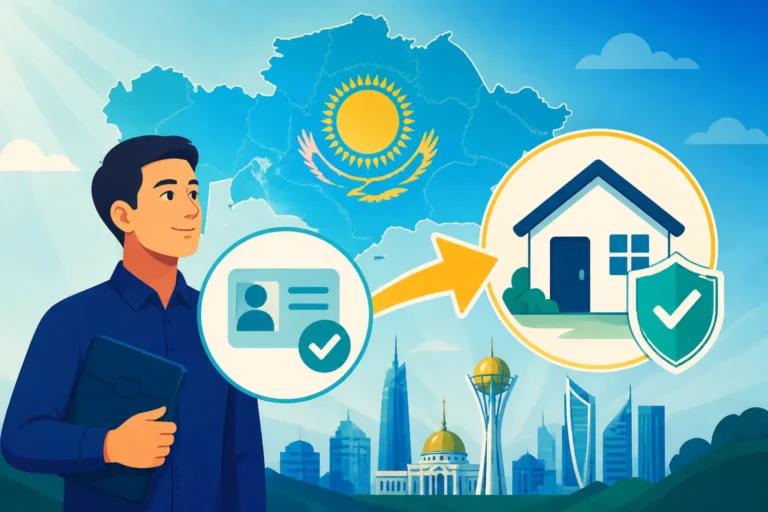
Do I Need a New Work Permit to Switch Employers in Kazakhstan?
Navigating the world of work permits and residency in Kazakhstan can feel like a dizzying dance, especially when life throws a curveball like a new job offer. Many expats quickly discover that the rules around employment here are very employer-specific, leading to a common, anxious question: do you really need to go through the whole permit process again just to switch companies? The short answer, which often brings a groan, is almost always "yes." This guide will meticulously break down why, what to expect, and how to successfully transition between employers while staying on the right side of Kazakhstani immigration and labor laws.
Understanding Kazakhstan's Work Permit System for Expats
Let's be honest, the administrative side of living abroad is rarely simple, and Kazakhstan is no exception. Before you even think about packing up your desk for a new opportunity, it's crucial to grasp how the work permit system here actually functions. It's not just a generic pass for you to work anywhere; it's intricately tied to your employer.
The Employer-Sponsored Reality
Unlike some countries where a work permit might be issued directly to an individual, allowing them a degree of flexibility, Kazakhstan's system is firmly rooted in employer sponsorship. This means your current work permit isn't just for you, it's for you to work at your current company. The Ministry of Labour and Social Protection issues these permits to a specific employer, authorizing them to hire a specific foreign specialist for a specific role.
Think of it like this: your employer applied for permission to bring you in to fill their specific need. Your name, your passport details, your job title, and importantly, your current company's name are all inextricably linked on that precious document. It's a key reason why any change in employer necessitates a fresh start. This system helps the government regulate the foreign workforce and ensure local employment is prioritized where possible. For expats, it means less autonomy over your work status than you might be used to, and a dependency on your employer for maintaining your legal right to work.
What Happens When You Change Jobs?
So, if your work permit is tied to your employer, it logically follows that when you leave that employer, your work permit tied to them becomes invalid. It's not transferable. When you receive an offer from a new company, they will need to initiate an entirely new work permit application process on your behalf. This is a critical distinction many expats struggle with, imagining they can simply update some details. Unfortunately, it's not that simple.
The old permit, and the associated work visa and residence permit, will need to be cancelled or allowed to expire. The new employer then steps up to become your sponsor, applying for a fresh set of documents. This can feel like starting from scratch, and in many ways, it is. The good news is that because you're already in Kazakhstan and understand the general procedures, it might feel slightly less daunting than your very first application. However, the bureaucratic steps are largely the same for the new employer. This is an important detail in How a Work Permit and Employer Sponsorship Work in Kazakhstan.
The Step-by-Step Process for Switching Employers
Alright, so the verdict is in: a new work permit is almost certainly on the cards. Now, let's talk about the practicalities. The process isn't just about the new company; it involves careful coordination with your current employer, too. It’s a dance that requires communication, patience, and a thorough understanding of the requirements from both sides.
Notifying Your Current Employer and Resignation
The first crucial step, once you've formally accepted a new offer, is to manage your departure from your current role gracefully and legally. This involves adhering to your employment contract's notice period. Kazakhstani labour law generally requires a notice period for resignation, often around one month, though this can vary based on your contract or collective agreements. Always review your contract carefully. Providing proper notice isn't just professional courtesy; it's a legal obligation that can impact your ability to get a positive reference and, crucially, ensure a smooth handover for your current employer.
Once you resign, your current employer is obliged to inform the migration service and relevant authorities that your employment with them has ceased. This will, in turn, lead to the cancellation of your existing work permit and often, your work visa and temporary residence permit linked to that employment. Make sure you get documentation confirming your last day of employment and the termination of your contract. This might be needed for your new application. It’s always a good idea to understand Understanding Notice Periods and Termination Under Kazakhstani Law to protect your rights.
The New Employer's Role in Securing a Work Permit
Your new employer will be the driving force behind obtaining your new work permit. They will need to go through the full application process, much like your previous employer did when you first arrived. This involves submitting a range of documents to the Ministry of Labour, proving the necessity of hiring a foreign specialist, and obtaining a quota for foreign labor if required.
Here's a simplified look at what your new employer will generally need to do, and what documents you'll likely need to provide:
| Step | New Employer's Responsibilities | Your Responsibilities (Documents to Provide) |
|---|---|---|
| 1. Justification & Quota | Proving no local candidate can fill the role; securing a quota for foreign specialists if applicable. | CV/Resume, copies of educational diplomas/certificates, letters of recommendation. |
| 2. Work Permit Application | Submitting a formal application to the Ministry of Labour and Social Protection, attaching all necessary documents. | Passport copy (valid for at least 6 months beyond intended stay), notarized translations of diplomas/certificates, medical certificate, police clearance. |
| 3. Approval & Invitation Letter | Receiving approval for the work permit, which allows for the next visa/residence steps. | Awaiting employer's confirmation. |
| 4. Visa & Residence Permit Application | Providing invitation letter/work permit approval for your work visa application (if required) and subsequent residence permit. | Visa application forms, photos, flight itinerary (if applying from outside KZ), original work permit (once issued). |
The employer will handle most of the heavy lifting, but you'll need to be responsive with your documents and information. The process can take several weeks, sometimes months, so patience is key. For more in-depth information, you can refer to How to Apply for a Work Visa and Work Permit in Kazakhstan.
Navigating the Visa and Residence Permit Changes
Once your new work permit is approved and issued to your new employer, the next step is typically to secure or update your work visa and temporary residence permit. If you're currently in Kazakhstan, your previous work visa and residence permit will have been tied to your old employer. When you leave, these become null and void.
Your new employer will use the approved work permit to apply for a new single-entry work visa for you (if you're a national requiring one) or directly for a new temporary residence permit for work purposes. Often, you might need to leave Kazakhstan briefly (e.g., to a nearby country like Kyrgyzstan or Uzbekistan) to obtain the new work visa stamp in your passport, especially if you previously entered on a visa-free regime or your old work visa is cancelled. Then, upon re-entry with the new work visa, your new employer will apply for your How to Get a Residence Permit for Work in Kazakhstan. This process is critical for your legal stay in the country. It’s a significant part of How to Get a Work Visa and Residence Permit in Kazakhstan (2027). The new residence permit will once again be tied to your new employer and job.
Risks and Consequences of Not Obtaining a New Work Permit
It's tempting, especially if you find yourself in a tight spot, to try and skirt the rules. Perhaps you think you can just start working for a new company while your old permit is still technically "active" for a few days, or hope no one notices. This is a very dangerous game to play in Kazakhstan, and the consequences can be severe for both you and your new employer.
Legal Ramifications for You and Your Employer
Working for a different employer than the one specified on your work permit constitutes illegal employment. It’s not just a minor oversight; it’s a serious breach of immigration and labour laws. For you, the expat, this could lead to hefty fines, deportation, and a potential ban from re-entering Kazakhstan for a significant period. This could severely impact your future international career prospects.
For the employer, the consequences are equally, if not more, severe. Hiring a foreign national without the proper, up-to-date work permit can result in substantial fines, suspension of their right to hire foreign specialists, and damage to their reputation. The authorities in Kazakhstan are quite vigilant about regulating foreign labour, so attempting to bypass the system is a high-risk gamble that rarely pays off. Ensure you and your new employer are always compliant to avoid these pitfalls. Remember, it's about safeguarding your future and your employer's reputation in Kazakhstan.
Impact on Your Residence Status
Your temporary residence permit (ВНЖ/VNZh) in Kazakhstan is directly linked to the purpose of your stay, and for most working expats, that purpose is "employment" at a specific company. If your work permit is cancelled due to you leaving your job, your residence permit will also be invalidated. This means you lose your legal right to reside in Kazakhstan.
If you don't secure a new work permit and subsequent residence permit from your new employer within a specified grace period (which is often very short after your previous permit's cancellation), you could be considered an overstayer. Overstaying your legal period of stay, even by a few days, can lead to fines and deportation. This is why the coordination between your old employer's actions (cancelling your old permit) and your new employer's actions (securing a new permit) is so crucial. A gap in your legal status in the country can create immense stress and put you in a precarious position. Understanding the intricacies of Understanding the Role of the Migration Service in Kazakhstan can help you foresee potential issues.
Essential Considerations When Changing Jobs in Kazakhstan
Making a career move in a foreign country is a big deal, and it’s not just about the new salary or job title. There are several crucial aspects unique to the expat experience in Kazakhstan that you need to factor into your decision and transition planning.
The Job Search and Interview Process
When you're looking for a new role in Kazakhstan, particularly as an expat, it's wise to be upfront with potential employers about your work permit status. Explain that a new work permit will be required and ensure they are fully aware of the process and timeline involved. Companies accustomed to hiring foreigners will understand this; if a potential employer seems confused or hesitant about the work permit process, that could be a red flag. It might indicate they lack experience or are unwilling to navigate the bureaucratic hurdles, which could complicate your transition.
Networking is vital here. Leverage your existing connections, use local job boards, and don't hesitate to reach out to recruiters who specialize in expat placements. Many international companies have robust HR departments that are well-versed in immigration procedures. Also, consider if language skills could boost your prospects; platforms like iTalki can be a great resource to brush up on your Russian or Kazakh, making you a more attractive candidate in a competitive market.
Understanding Your Rights and Entitlements
Before you sign on the dotted line with a new employer, take the time to thoroughly understand your rights under Kazakhstani labour law. This isn't just about your salary; it includes things like working hours, overtime pay, annual leave, and crucially, termination clauses. It’s not uncommon for expats to focus solely on the financial package and overlook the legal protections they should have.
Ensure your new employment contract clearly outlines your terms of employment, compensation, and the duration of your role. If anything seems unclear or deviates significantly from standard practices, don't hesitate to ask for clarification. You are a valuable asset, and you have rights. A solid understanding of Understanding Kazakhstani Labour Law and Worker Rights (2027) will empower you during negotiations and throughout your employment. Always ensure your pension contributions and social health insurance (OSMS) are clearly laid out in your new contract, as these are mandatory.
Financial Planning During the Transition
Switching jobs, especially when it involves a new work permit, can create a period of financial uncertainty. There might be a gap between your last paycheck from your old job and your first from the new one, particularly if there’s a period where you need to exit and re-enter the country. It's wise to build up a financial buffer to cover at least 1-2 months of living expenses.
Consider the costs associated with the transition: potential visa fees, travel for re-entry, and any personal administrative expenses. If you have significant assets or multiple income streams, consider consulting with a tax specialist. Services like Taxes for Expats can help you understand your tax obligations during a transition, especially if your income source or residency status changes. Don't forget to factor in the impact on your Understanding Income Tax and Pension Contributions for Employees in Kazakhstan. Being prepared financially will alleviate a lot of stress during what can already be a complex time.
Disclaimer
The information provided in this guide is for general informational purposes only and does not constitute legal or professional advice. While we strive to keep the information up-to-date and accurate, laws and procedures in Kazakhstan are subject to change. It is highly recommended to consult with a qualified immigration lawyer or specialist in Kazakhstan for advice tailored to your specific situation before making any decisions related to work permits, visas, or employment changes.