Does My Employer Register Me for OSMS in Kazakhstan?
Navigating the healthcare system in a new country can feel like trying to solve a Rubik's Cube blindfolded, especially when it comes to understanding how your health insurance contributions work. One of the most common questions I hear from fellow expats in Kazakhstan, particularly when they’re just settling into a new role, is whether their employer automatically takes care of their Mandatory Social Health Insurance (OSMS) registration. This guide will walk you through exactly what to expect from your employer regarding OSMS, what your own responsibilities are, and how to make sure you’re properly covered.
The Employer's Primary Role in OSMS Registration for Expats
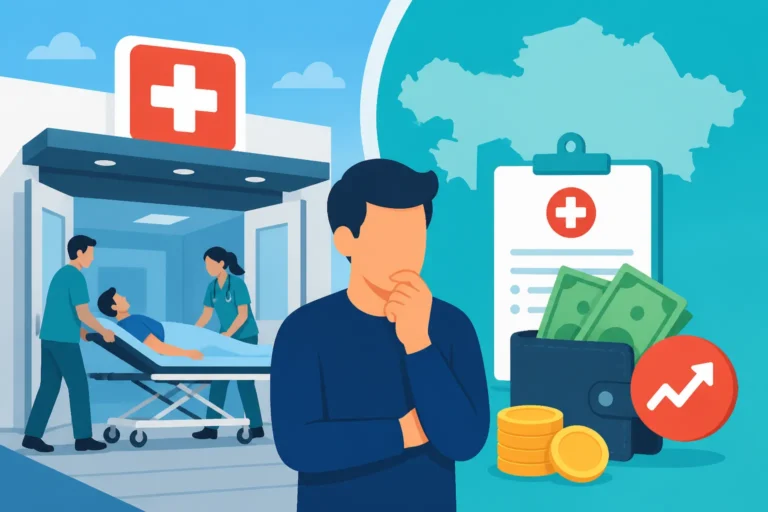
Let's cut right to the chase: if you are officially employed by a company based in Kazakhstan, whether it's a local firm or an international company with a registered presence here, then yes, your employer is legally obligated to register you for OSMS and make the necessary contributions on your behalf. This isn't just a nice gesture; it's a fundamental part of the Kazakhstani labor law.
Many expats arrive here, excited about a new job, and the paperwork often feels like an endless pile of forms and signatures. The good news is that for employed individuals, your employer is the one who handles the heavy lifting when it comes to OSMS. They are responsible for deducting your individual OSMS contributions directly from your salary and remitting them, along with their own employer contributions, to the Social Health Insurance Fund (FMS). This is similar to how income tax and pension contributions are managed. They effectively act as the intermediary between you and the state health insurance system. This is a crucial distinction and often a source of relief for many newcomers who are already overwhelmed by the sheer volume of new administrative tasks. Understanding How Kazakhstan's Health System Works: OSMS and Private Care Explained (2027) will give you a broader picture of this system.
Understanding OSMS and Your Personal Obligations
Before we dive deeper into the employer's specifics, it's vital to grasp what OSMS actually is and why it matters so much. OSMS, or Obiazatelnoye Sotsialnoye Meditsinskoye Strakhovaniye, translates to Mandatory Social Health Insurance. It's the cornerstone of the public healthcare system in Kazakhstan, designed to provide comprehensive medical services to all eligible residents. Think of it as the national health insurance scheme. Without active OSMS contributions, accessing most public healthcare services beyond emergency care can be incredibly difficult, often requiring you to pay out of pocket. Many expats find this a stark contrast to their home countries and it can be a real headache if you're not prepared.
Your obligation, when employed, is primarily to ensure that these contributions are actually being made. While your employer handles the practical side, the responsibility for being covered ultimately rests with you. If, for some reason, your employer is not making the payments, it's your health coverage that suffers. This is where the frustration can really set in for expats, as you’re relying on a third party for something so critical, and the system isn't always transparent or easy to navigate for non-locals. It's a system that truly benefits from proactive engagement on your part, even if your employer is meant to handle the legwork. For a more detailed look, check out What Is OSMS and How Does It Work in Kazakhstan?.
The Employer's Role in Detail and What to Look Out For
The process, in theory, is straightforward: you start your job, your employer adds you to their payroll, and automatically begins deducting and remitting OSMS contributions. In practice, however, things can sometimes get delayed or muddled, especially for foreign hires who might have unique immigration statuses or administrative hurdles.
For Officially Employed Expats
Your employer in Kazakhstan, once you have a valid work permit and employment contract, is responsible for:
- Registering you with the Social Health Insurance Fund (FMS): This happens when they first add you to their official employee roster. They'll use your Individual Identification Number (IIN) to do this.
- Deducting your OSMS contributions from your salary: As of my last check, employee contributions are a percentage of your monthly income, capped at a certain amount. These deductions should appear clearly on your payslip.
- Making employer contributions: In addition to your deductions, the employer also makes their own contribution to OSMS on your behalf.
- Remitting both sets of contributions to the FMS: This is typically done monthly.
A common scenario I've seen is delays. Sometimes new hires, particularly expats, might experience a lag between their start date and when their OSMS contributions actually begin. This can leave a gap in your coverage. This is where having a reliable private health insurance plan, like those offered by SafetyWing, can be a real lifesaver. SafetyWing is designed with expats and digital nomads in mind, offering flexible international health insurance that can bridge these administrative gaps or act as a primary safety net. It's truly a flexible option for those who are unsure about their local coverage. To understand the wider context of your contributions, read Understanding Mandatory Health Insurance Contributions in Kazakhstan.
For Self-Employed Expats and Individual Entrepreneurs (IPs)
Now, if you're forging your own path in Kazakhstan as a self-employed individual or have registered as an Individual Entrepreneur (IP), the ball is entirely in your court. Your "employer" is you! In this case, you are solely responsible for:
- Registering yourself with the State Revenue Committee and then ensuring your OSMS contributions are made. This typically happens after you've completed your IP registration. For a complete guide on this, see How to Register as an Individual Entrepreneur (IP) in Kazakhstan.
- Calculating and paying your own OSMS contributions monthly. The calculation method for IPs is different from employed individuals and depends on factors like your declared income or the minimum wage.
- Submitting the necessary reports to the tax authorities.
This requires a much more hands-on approach, and it's easy to miss a payment or get confused by the administrative portal if you're not fluent in Kazakh or Russian. I've heard countless stories of expats struggling with the eGov portal, so don't be afraid to seek help from a local accountant or a trusted Kazakhstani friend if you go this route.
For Freelancers and Remote Workers for Foreign Companies
This is a bit of a grey area that many digital nomads and remote workers face. If you are physically residing in Kazakhstan but your official employer is based entirely overseas, and you are not registered as an IP in Kazakhstan, your foreign employer is not obligated to pay OSMS contributions for you into the Kazakhstani system.
In such cases, you have a few options:
- Voluntary Contributions: You can choose to make voluntary OSMS contributions yourself. This essentially means you're self-funding your access to the public system. It requires proactively registering with the FMS and making monthly payments.
- Private Health Insurance: This is often the most straightforward and popular choice for expats in this situation. A private international health insurance policy provides comprehensive coverage without relying on the local public system, which might not be accessible or practical for you. Again, solutions like SafetyWing, which offers global coverage and flexibility for those working remotely, come to mind as they specifically cater to this lifestyle. They understand the unique needs of people living abroad and not tied to one specific national healthcare system.
- A Hybrid Approach: Some expats choose to make voluntary OSMS contributions for basic access to public clinics while also maintaining a private plan for emergencies, specialist care, or treatments not covered by the public system.
It's critical to understand that simply being a resident in Kazakhstan doesn't automatically mean OSMS coverage if you're not formally employed by a Kazakhstani entity or registered as a local IP. This is a common misunderstanding that can lead to significant issues if medical needs arise.
What Happens If Your Employer Doesn't Register You for OSMS?
This is where things can get stressful, and unfortunately, it does happen. Whether due to oversight, administrative delays, or in rare, less scrupulous cases, an employer simply not fulfilling their obligations.
Consequences for You
If your OSMS contributions aren't being made, you essentially have no active OSMS coverage. This means:
- Limited Access to Public Healthcare: You won't be able to register with a poliklinika (local clinic), which is your gateway to most routine medical services, specialist referrals, and basic diagnostic tests. Trying to register for OSMS in Kazakhstan can be challenging if there's no payment history.
- Out-of-Pocket Costs: Any medical care you receive, outside of immediate life-threatening emergencies (which are typically covered by the state for everyone, at least initially), will have to be paid for entirely out of your own pocket. This can quickly become very expensive.
- Administrative Hassle: If you suddenly need medical care and realize you're not covered, rectifying the situation retrospectively can be a bureaucratic nightmare, involving chasing your employer and potentially the FMS.
What to Do
- Check Your Payslips: The first step is always to review your monthly payslips. Look for a deduction clearly marked as OSMS or "Взносы ОСМС." If it's not there, that's your first red flag.
- Speak to HR/Management: Approach your HR department or direct manager to politely inquire about your OSMS registration status and contributions. Sometimes it's a genuine administrative error that can be easily fixed.
- Check eGov Portal: Once you have your IIN and an electronic digital signature (EDS), you can actually check your OSMS contribution history yourself on the eGov.kz portal. This is the official government platform for various services. There, you can access your "individual health status" report, which details your contributions. This report will show if you have any "debts" or gaps in coverage.
- Contact the FMS: If discussions with your employer don't resolve the issue, or if you suspect deliberate non-compliance, you can contact the local branch of the Social Health Insurance Fund (FMS) or the State Labour Inspectorate. They can investigate the matter on your behalf.
- Seek Legal Advice: In persistent or severe cases, especially if your employer is refusing to rectify the situation, you might need to consult with a local labor lawyer to understand your rights and options.
This is exactly why having a backup plan is so important. Many expats choose to get private health insurance in Kazakhstan specifically to avoid these kinds of administrative headaches and to ensure uninterrupted access to quality care. Companies like SafetyWing offer plans that cover you globally, which is fantastic for those who travel frequently or simply want peace of mind no matter where they are.
Navigating the System and Ensuring Your Coverage
Even when your employer is diligently paying your OSMS, actively understanding and confirming your coverage is still a good practice. It empowers you and reduces anxiety if you ever need to use the system.
Confirming Your OSMS Status
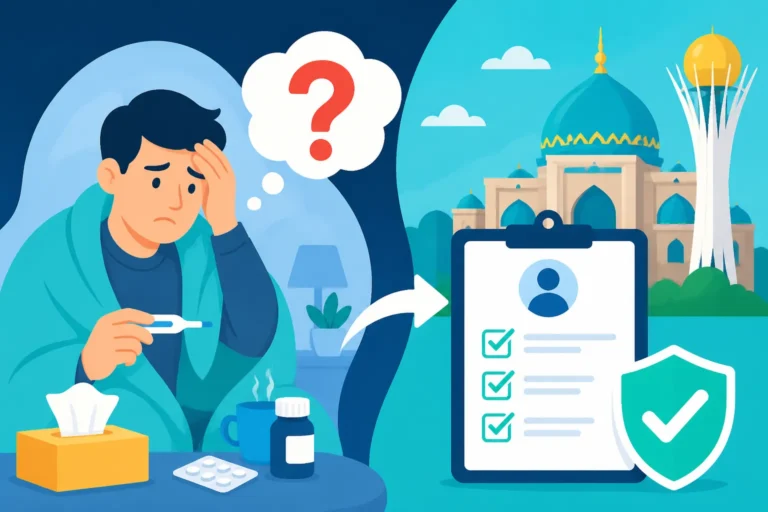
The eGov portal (egov.kz) is your best friend here. After logging in with your EDS, you can find a service that shows your social deductions, including OSMS. This report will clearly indicate if your contributions are active and if there are any periods of non-payment. It's a system that, once you get the hang of it, provides a good level of transparency. You can also often check your status at the poliklinika where you are registered. For more details on this process, refer to How to Register for OSMS Health Insurance in Kazakhstan (2027).
Registering with a Poliklinika
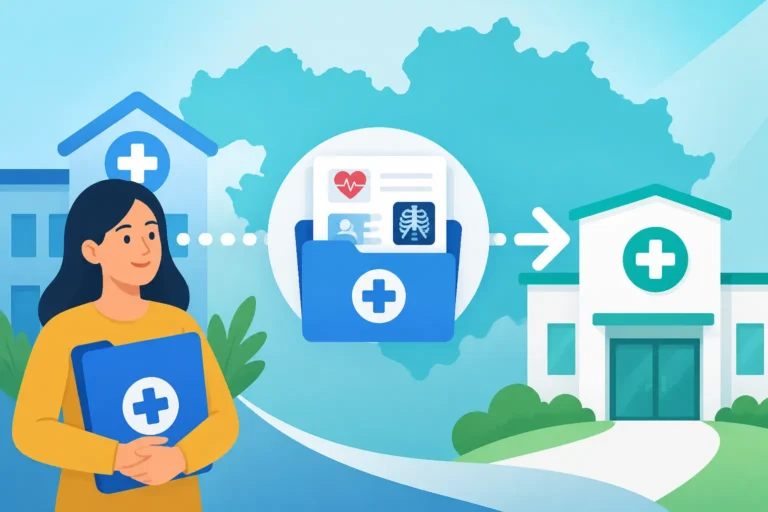
Once your OSMS contributions are active, the next crucial step is to register with a local poliklinika. This is your assigned primary care clinic and your gateway to the rest of the public health system. You'll typically be assigned a poliklinika based on your registered address, but you usually have some flexibility to choose another within your area, provided they have capacity. Without this registration, even with active OSMS, you won't be able to easily book appointments with general practitioners or get referrals to specialists. This is a common hurdle for new expats, as the registration process itself can be a bit of a labyrinth. Learn more about it in How to Choose and Register with a Clinic (Poliklinika) in Kazakhstan.
The Role of Private Health Insurance
Even with OSMS coverage from your employer, many expats opt for private health insurance. Why?
- Broader Choice: Private insurance gives you access to private clinics and hospitals, which often have shorter wait times, English-speaking staff, and more modern facilities.
- Supplementary Coverage: It can cover services not fully provided by OSMS, such as certain dental treatments, optometry, or specific medications.
- Peace of Mind: Knowing you have a fallback, especially for serious illnesses or emergencies, outside of the public system, provides immense relief.
- Travel Coverage: Many international private plans, including SafetyWing, also offer robust travel insurance components, covering you when you step outside Kazakhstan's borders. This is a massive plus for globetrotting expats.
Ultimately, while your employer is responsible for registering you for OSMS and making contributions, staying informed and proactive about your health coverage in Kazakhstan is crucial. Don't leave it entirely to chance. For a deeper dive into your options, check out Health Insurance in Kazakhstan: OSMS, Private and International Options Explained and Do I Need Private Health Insurance in Kazakhstan?.
Here’s a quick overview of OSMS registration based on your employment status:
| Employment Status | OSMS Registration Responsibility | Key Action Points for You | Supplementary Coverage Recommendation |
|---|---|---|---|
| Officially Employed by Kazakhstani Company | Employer is responsible for registration and contributions. | Confirm deductions on payslip, check status via eGov, register with a poliklinika. | Private health insurance (e.g., SafetyWing) for broader access and peace of mind. |
| Self-Employed / Individual Entrepreneur (IP) | You are responsible for self-registration and contributions. | Register with FMS, calculate and pay contributions monthly, check status via eGov. | Private health insurance (e.g., SafetyWing) for comprehensive care and global travel. |
| Freelancer / Remote for Foreign Company (Not IP) | You are not automatically covered. You choose to make voluntary contributions or rely on private insurance. | Proactively pursue voluntary OSMS or secure comprehensive private international health insurance. | Essential to have robust private health insurance (e.g., SafetyWing) for primary coverage. |
| Dependent of an Expat with OSMS | The primary expat (e.g., spouse) is responsible for adding dependents to their coverage. | Ensure family members are correctly registered and their OSMS is active. | Private family health insurance for additional benefits and choice of providers. |
Disclaimer
The information provided in this guide is for general informational purposes only and does not constitute legal, financial, or medical advice. While every effort has been made to ensure accuracy, regulations and procedures in Kazakhstan can change rapidly. It is always recommended to consult with official government sources, legal professionals, or a qualified insurance advisor for the most current and specific information regarding your personal situation.