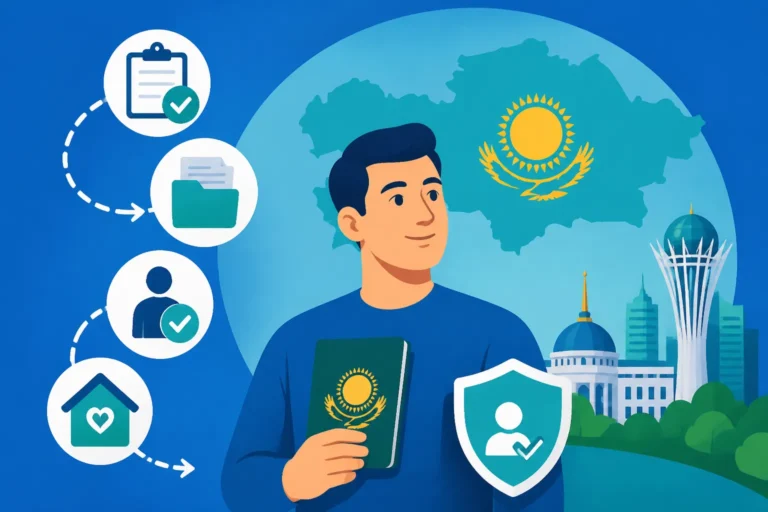
How Do I Bring a Domestic Helper to Kazakhstan?
Bringing a domestic helper to Kazakhstan can feel like navigating a maze blindfolded, especially when you're already juggling the complexities of expat life yourself. Many of us arrive here and quickly realize the immense value of reliable support, whether it's for childcare, household management, or elderly care. This comprehensive guide is here to demystify the process, offering a realistic, step-by-step roadmap to legally and ethically bringing a domestic worker to your home in Kazakhstan.
Understanding the Legal Framework for Domestic Helpers in Kazakhstan
Let’s be honest, the bureaucratic hurdles in Kazakhstan can be daunting for even the simplest tasks, and bringing a foreign national to work in your home is no exception. It’s crucial to understand that while domestic help is common here, sponsoring a foreign helper falls under strict employment and immigration laws. This isn't just about finding someone; it's about becoming a legal employer in a foreign country.
The "Why" Behind the Red Tape: Employer Responsibilities
Kazakhstan, like many nations, has specific regulations to protect workers and control immigration. For you, the expat employer, this means taking on significant responsibilities. You're not just offering a job; you're often facilitating their entire legal presence in the country. This includes ensuring proper visa status, employment contracts, and adhering to labor laws. The "red tape" exists to prevent exploitation and ensure fair treatment, but for the individual expat trying to do things by the book, it can feel overwhelming.
You'll quickly find that this isn't a simple handshake agreement. The government wants to know that the helper has a legitimate job, is paid fairly, and has proper living conditions. They also want to ensure that their presence doesn't negatively impact the local labor market, which is why securing a work permit is such a critical step. Ignoring these requirements, or trying to cut corners, can lead to serious legal repercussions for both you and your helper, including fines, deportation, and even future bans from the country. It's a risk simply not worth taking.
Visa Types and Requirements for Domestic Workers
This is where it gets a bit tricky, because there isn't a specific "domestic helper visa" per se. Generally, your helper will need a work visa, which is typically tied to a work permit. This means they cannot just enter Kazakhstan on a tourist visa and then start working. That's a huge no-no and can lead to immediate deportation.
The most common route is the "work permit for foreign labor attraction" (разрешение на привлечение иностранной рабочей силы), followed by a work visa (Category C3 for employed persons). This requires you, as the employer, to jump through several hoops. The work permit is the golden ticket, and it’s issued by the Ministry of Labour and Social Protection or its regional departments. The process generally involves proving that a local Kazakhstani citizen cannot fill the position, which for specialized domestic roles (like a nanny with specific language skills or experience with special needs children), might be feasible. For more general cleaning or household management, it can be a tougher sell. Once the work permit is approved, your helper can then apply for the appropriate work visa at a Kazakhstani embassy or consulate in their home country. Understanding how to get a work visa and residence permit in Kazakhstan (2026) is a good starting point for detailed information.
Key Documents You'll Need to Prepare
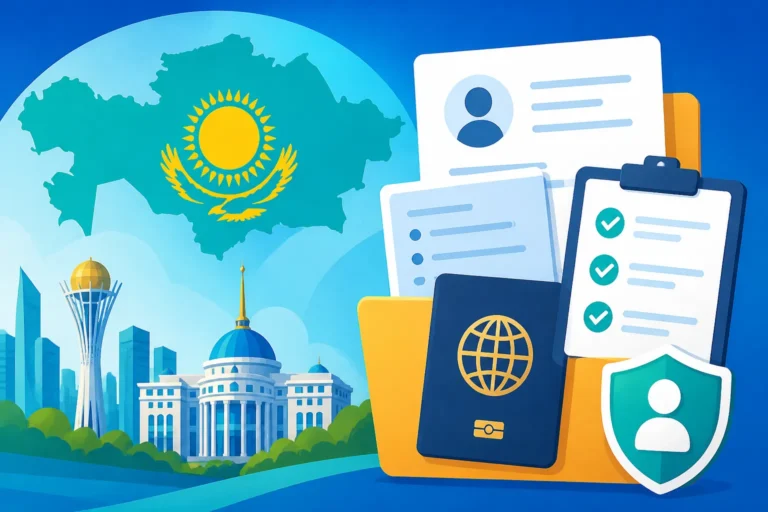
Get ready to gather a mountain of paperwork! Both you and your prospective helper will need to provide a substantial list of documents. This isn't exhaustive, but it gives you a good idea:
For You (the Employer):
- Your passport copy and valid residence permit in Kazakhstan (if applicable).
- Your Individual Identification Number (IIN) in Kazakhstan. If you don't have one, you'll need to know how to get an IIN (Individual Identification Number) in Kazakhstan.
- Application form for attracting foreign labor.
- Justification for hiring a foreign specialist (i.e., why a Kazakhstani national cannot perform the job).
- Copies of your company registration documents if you are self-employed and sponsoring through a business entity, or if your company is sponsoring on your behalf.
- Proof of financial solvency to support the helper.
- A draft employment contract.
For Your Domestic Helper:
- Passport copy (valid for at least 6 months beyond the intended stay).
- Curriculum Vitae (CV) and copies of any relevant education certificates or work experience letters.
- Medical certificate confirming good health (including tests for HIV, tuberculosis, etc.).
- Police clearance certificate from their home country (proving no criminal record).
- Photos (passport size).
- Application form for a work visa.
- Confirmation of the issued work permit.
- Sometimes, specific qualifications or diplomas might need to be recognized.
Many of these documents will need to be officially translated into Kazakh and/or Russian and often apostilled or notarized in both the helper's home country and Kazakhstan. This process can be lengthy and adds to the overall cost, so be prepared! Navigating the complexities of document translation is detailed in Understanding Document and Translation Requirements for Kazakhstan Immigration.
The Step-by-Step Process of Sponsoring a Domestic Helper
So, you've understood the legal landscape. Now, let's break down the actual steps you'll need to take. This isn't a race; it's a marathon that requires patience, meticulous organization, and a good understanding of the local system.
Initial Steps: Finding Your Helper and Understanding Their Status
Before you even think about permits, you need to find the right person. Many expats find their helpers through recommendations, online expat forums, or local agencies. It’s crucial to conduct thorough interviews, check references, and ensure a good personal fit, especially since this person will be working closely with your family.
Once you have a prospective candidate, verify their current legal status. Are they already in Kazakhstan on a valid visa? Or will they be applying from their home country? This makes a huge difference in the procedural steps. If they are already in Kazakhstan, ensure their current visa allows for a change of status to a work permit or that they are able to leave and re-enter on a new visa. Often, it's safer and clearer to have them apply from their home country, even if it means a longer wait time. During this initial phase, it's also worth discussing their expectations regarding salary, working hours, accommodation (if live-in), and benefits, to ensure alignment before you embark on the official sponsorship process.
Navigating the Work Permit Application
This is often the most challenging part. As a private individual, sponsoring a work permit for a domestic helper directly can be very difficult in Kazakhstan. Typically, work permits are issued to legal entities (companies or individual entrepreneurs). This means you might need to:
- Be Employed by a Company that Can Sponsor: If your own employer has the legal capacity and is willing to sponsor your domestic helper under their "foreign labor quota," this could be an option. This is rare for personal domestic help but possible in specific corporate structures.
- Register as an Individual Entrepreneur (IP): This is a route some expats take. You would register yourself as an individual entrepreneur (жеке кәсіпкер or ИП) and then, as a legal entity, apply for the work permit for your domestic helper. This involves its own set of registrations, tax obligations, and reporting. While it sounds complicated, it often provides the necessary legal framework. You'd be applying for a quota for foreign labor, proving the necessity, and paying the state fees. The government bodies will scrutinize this application carefully, looking for genuine justification for the foreign hire.
- Utilize a Specialized Agency: There are agencies in Kazakhstan that specialize in foreign labor recruitment and can act as the official employer (legal entity) for your domestic helper. You would then contract their services from the agency. This often simplifies the administrative burden significantly for you but comes with service fees. Research these agencies thoroughly, checking their reputation and legal compliance.
Regardless of the route, the application for the work permit (разрешение на привлечение иностранной рабочей силы) will involve submitting all the documents mentioned earlier to the local labor authority (e.g., Department of Labor and Social Protection in Almaty or Astana). This includes the justification for why a local Kazakhstani citizen cannot fill the role. The decision-making process can take several weeks, sometimes even months, so factor in significant lead time. Keep tabs on the detailed process in How to Apply for a Work Visa and Work Permit in Kazakhstan.
Securing the Entry Visa and Residence Permit
Once the work permit is successfully issued, your domestic helper can then apply for the actual work visa. This application needs to be made at a Kazakhstani Embassy or Consulate in their country of citizenship or legal residence. They will need:
- Their passport.
- The original work permit (or a certified copy).
- Completed visa application form.
- Passport-sized photos.
- Invitation letter (issued by the Migration Service in Kazakhstan based on your work permit approval).
- Proof of payment for the visa fee.
After the visa is granted and they enter Kazakhstan, the next critical step is obtaining a temporary residence permit (ВНЖ – вид на жительство). This is a stamp or card that legitimizes their long-term stay in the country. This is done through the local migration service department. It typically requires:
- Their passport with the work visa stamp.
- The work permit.
- The employment contract signed by both parties.
- Confirmation of address registration (propiska), often provided by you if they live in your household.
- Medical certificate and health insurance policy (more on this below).
- IIN.
- State duty payment receipt.
It’s vital to complete the residence permit registration within the first few days of their arrival to avoid fines. The full spectrum of immigration procedures is covered in The Complete Guide to Kazakhstan Visas and Immigration for Expats (2027).
Practical Considerations and Post-Arrival Essentials
Securing the permits is only half the battle. Once your domestic helper arrives in Kazakhstan, there are essential practical and legal steps you must take to ensure their well-being and your continued compliance. This is where your responsibilities truly come into play as an ethical employer.
Employment Contracts and Fair Working Conditions
A legally sound employment contract is non-negotiable. It must be in writing, signed by both you and your helper, and ideally translated into a language they understand. The contract should clearly outline:
- Job duties and responsibilities: Be specific to avoid misunderstandings.
- Working hours: Adhere to Kazakhstani labor laws regarding maximum hours, rest days, and breaks.
- Salary: This must be clearly stated, in Kazakhstani Tenge (KZT), and meet at least the minimum wage requirements. Be prepared for regular payment, usually monthly.
- Leave entitlements: Annual leave, sick leave, and public holidays should be specified.
- Accommodation: If they are live-in, detail the living arrangements.
- Notice periods: For termination by either party.
- Dispute resolution: How any disagreements will be handled.
Remember, Kazakhstani labor law applies to your helper. This includes provisions for social security and pension contributions, which you, as the employer, will likely be responsible for deducting and remitting. A clear and comprehensive contract protects both parties and sets the foundation for a respectful working relationship.
Healthcare, Insurance, and Well-being for Your Helper
Healthcare is a significant concern for any expat, and it's equally important for your domestic helper. Under Kazakhstani law, foreigners with residence permits are generally required to have medical insurance. This often means enrolling them in the Compulsory Social Health Insurance (OSMS) system, for which you, as their employer, would make monthly contributions. Understanding Mandatory Health Insurance Contributions in Kazakhstan is key here.
However, OSMS coverage, while foundational, might not always cover everything, and the public system can be challenging to navigate without language skills. Many expat families opt for private health insurance for their domestic helpers to ensure access to higher quality care, English-speaking doctors, and broader coverage. International health insurance providers like Cigna Global offer plans that can be tailored for individuals working abroad, providing peace of mind for both you and your helper. This ensures they have access to private clinics and a wider range of services, which can be invaluable in a foreign country. You can learn more about this in Health Insurance in Kazakhstan: OSMS, Private and International Options Explained. Don't forget to consider their general well-being; regular check-ups, access to a doctor, and mental health support are just as vital as physical health.
Integration and Support in Kazakhstan
Your role extends beyond just being an employer; you are also a key part of your helper's integration into life in Kazakhstan. This involves helping them with:
- Registration: Ensuring their address registration (propiska) is completed accurately and on time with the migration service. This is critical for their legal stay and is something you'll need to handle directly after their arrival. Keep in mind that failure to register them can lead to significant fines for you. You can read more about this in How to Register Your Arrival with the Migration Service in Kazakhstan.
- Language: Offering resources or opportunities for them to learn basic Kazakh or Russian can greatly enhance their experience and independence. Even simple phrases can make a big difference.
- Cultural adaptation: Helping them understand local customs, norms, and practicalities, like how to use public transport or where to find specific goods.
- Banking: Assisting them in opening a local bank account, which will be essential for receiving their salary.
- Social connections: While respecting their privacy, encouraging them to connect with other domestic workers or expat communities can combat isolation.
If your helper needs to bring some personal belongings from their home country, reputable moving services can facilitate this. While Sirelo might not be a direct moving company, it's a platform where you can compare quotes from various international moving companies, which can be useful if your helper has a significant amount of personal effects they wish to bring with them to Kazakhstan.
Common Challenges and How to Overcome Them
No process is without its bumps, and bringing a domestic helper to Kazakhstan can present several unique challenges. Being prepared for these can save you a lot of stress.
Language Barriers and Cultural Adaptation
Kazakhstan is a diverse country, but Russian and Kazakh are the primary languages. If your helper doesn't speak either, this can be a significant hurdle. Not only for daily communication with you and your family but also for navigating public spaces, seeking medical help, or dealing with administrative tasks.
Strategies:
- Pre-arrival language learning: Encourage your helper to learn basic phrases in Russian or Kazakh before they arrive. There are many free online resources.
- Translation apps: Utilize apps like Google Translate or Yandex Translate for immediate communication.
- Language classes: Consider subsidizing local language classes for them once they arrive. This is an investment in their independence and well-being.
- Patience and clarity: Speak clearly, use simple sentences, and be patient. Non-verbal cues can also help.
- Cultural sensitivity: Understand that cultural norms around work, communication, and personal space might differ significantly from their home country or your own. Open dialogue and mutual respect are essential.
Administrative Hurdles and Unexpected Delays
The Kazakhstani bureaucracy can be notoriously slow and unpredictable. Documents can go missing, requirements can change, or officials might interpret rules differently. This is just part of the expat experience here.
Strategies:
- Start early: Begin the process well in advance of your desired arrival date. Give yourself ample buffer time.
- Be meticulous: Double-check every form, every translation, and every signature. Assume nothing is obvious.
- Keep copies: Make multiple copies of every single document submitted or received. Organize them in a clear file.
- Follow up: Don't just submit and wait. Politely follow up with the relevant government departments. Sometimes a personal visit to inquire can move things along.
- Seek professional help: If the process becomes overwhelming, consider hiring a local lawyer or immigration consultant who specializes in foreign labor permits. Their expertise can be invaluable in navigating the nuances of the system.
- Prepare for fees: The process involves various state duties, translation costs, medical check-up fees, and potentially agency fees. Budget accordingly to avoid financial stress.
Ensuring Long-Term Compliance and Support
Your responsibilities don't end once the residence permit is issued. You need to ensure ongoing compliance with labor laws, immigration regulations, and the welfare of your helper throughout their stay.
Strategies:
- Regular check-ins: Maintain open lines of communication. Regularly check in with your helper about their work, living situation, and overall well-being.
- Renewal processes: Keep track of visa, work permit, and residence permit expiry dates. Renewals often require similar documentation and can take just as long as initial applications. Understanding Kazakhstani Residence Permits: Work, Study and Investment (2027) offers insights into the renewal process.
- Tax obligations: Ensure you are correctly deducting and remitting income tax and social contributions on their behalf. This is a critical legal obligation. A quick look at Understanding Income Tax and the Flat 10% Rate in Kazakhstan will give you a better idea.
- Emergency plan: Have a clear plan for medical emergencies, including knowing emergency numbers and where to go.
- Respect privacy: While they live in your home (if applicable), respect their privacy and personal time.
- Ethical treatment: Remember that this is a professional relationship. Treat your helper with respect, fairness, and dignity, adhering to agreed-upon terms and conditions.
Bringing a domestic helper to Kazakhstan can be a truly rewarding experience, enriching your family life and providing invaluable support. By approaching the process with thoroughness, patience, and a commitment to ethical practices, you can navigate the system successfully and create a positive environment for everyone involved.
Disclaimer
The information provided in this guide is for general informational purposes only and does not constitute legal, financial, or immigration advice. While we strive to keep the content up-to-date and accurate, laws and regulations in Kazakhstan are subject to change without notice. We strongly recommend consulting with a qualified immigration lawyer or relevant government authorities in Kazakhstan for advice tailored to your specific situation.