What Is the Process to Maintain My Permanent Residence in Kazakhstan?
So, you’ve done it. You’ve successfully navigated the labyrinthine process and secured your permanent residence (PR) in Kazakhstan. Congratulations! That's no small feat, and you deserve a pat on the back. But if you think the paperwork is over, well, my friend, that's where many of us expats hit a snag. Maintaining that precious PR status is just as crucial, if not more so, than acquiring it in the first place. You don't want to find yourself in a sticky situation down the line, risking all the hard work you put in. This guide is all about helping you understand the ongoing responsibilities and practical steps to ensure your permanent residence remains valid and secure in Kazakhstan.
Understanding Your Permanent Residence Status in Kazakhstan
Before we dive into the nitty-gritty of maintenance, let’s quickly reiterate what permanent residence in Kazakhstan actually signifies. It’s not just a fancy stamp in your passport; it's a profound commitment to making Kazakhstan your long-term home, granting you a much deeper integration into society than a temporary residence permit. With PR, you gain many of the rights and obligations of a Kazakhstani citizen, excluding voting in national elections or holding certain public offices. This means you can live, work, and study without needing recurring work permits or student visas. You can also sponsor your spouse and children for residence in Kazakhstan, making family life much simpler.
However, this increased freedom comes with increased responsibility. Unlike some other countries where PR, once granted, is almost set-and-forget, Kazakhstan's system has specific requirements you need to be aware of to avoid accidental forfeiture. Many expats assume that once they have PR, they can pretty much come and go as they please, or ignore certain administrative duties they might have had to do with a temporary permit. This is a common misconception that can lead to significant headaches. The authorities expect you to maintain a genuine link to the country, and there are explicit rules designed to ensure this. Understanding these from the outset is your best defence against future complications.
The Difference Between Obtaining and Maintaining
Think of obtaining permanent residence as a challenging entrance exam. You studied hard, gathered all your documents, probably stressed over translations and apostilles, and finally, you passed. Maintenance, on the other hand, is like the ongoing coursework – it's less about a single monumental effort and more about consistent, diligent adherence to the rules. The process to How to Apply for Permanent Residence in Kazakhstan involved a huge stack of papers, interviews, and waiting games. Maintaining it is about living up to the trust placed in you as a long-term resident.
The requirements for Understanding the Requirements for Permanent Residence in Kazakhstan covered things like proving financial solvency, having a place to live, and being free of serious criminal records. These are hurdles to get in. The maintenance rules are about ensuring you continue to meet certain criteria that underpin your status. If you fail to maintain these, you could find your PR revoked, forcing you to go through the entire process again, or even worse, potentially being asked to leave the country. No one wants that, especially after building a life here.
Why Ongoing Vigilance is Crucial
Kazakhstan, like many nations, values stability and a clear understanding of who is residing within its borders. The legal framework surrounding permanent residence is designed to prevent abuse and ensure that those who hold PR genuinely intend to reside in the country. This means that even seemingly minor administrative oversights can accumulate into a bigger problem. For instance, forgetting to renew your address registration or spending too much time outside the country without proper notification could flag your status for review.
Expats are often caught out simply because they didn't read the small print or assumed "it wouldn't apply to them." The Migration Service, or as it’s officially known, the Migration Police Department, operates under specific laws, and while they can sometimes be understanding, ignorance is rarely an acceptable excuse. Your continuous vigilance is your primary tool in keeping your PR status safe and sound. It's not about being paranoid, but about being informed and proactive.
The Core Obligations: What Permanent Residents MUST Do
Now, let’s get down to the essential, non-negotiable obligations that come with your permanent residence in Kazakhstan. These aren't suggestions; they are legal requirements. Think of them as the pillars holding up your PR status. Fail to maintain one, and the whole structure could be at risk. Many of these points are touched upon in guides like What Are the Requirements to Keep My Permanent Residence in Kazakhstan? but it bears repeating with actionable steps.
1. Maintaining Physical Presence in Kazakhstan
This is arguably the most critical aspect of maintaining your permanent residence. Kazakhstan's law stipulates that permanent residents are expected to reside predominantly in the country. While you are certainly free to travel, extended absences can jeopardise your status.
- The 183-Day Rule (and beyond): While there isn't a strict "183-day" rule for PR holders like there might be for tax residency, a general guideline often cited informally by immigration officers is that you shouldn't spend more than 183 days per year outside Kazakhstan. However, the official legal wording can be more nuanced, focusing on "permanent residency" as a factual state. If you spend too much time abroad, the Migration Service might question your intent to actually reside in Kazakhstan permanently. They could argue you're no longer fulfilling the spirit of the PR status.
- Documenting Your Absences: If your job or personal circumstances require you to be out of the country for significant periods, it's wise to keep meticulous records. This includes flight tickets, border crossing stamps (though less common now with electronic gates), and any official letters from your employer explaining business travel. While it might not be a formal requirement to "report" every trip, having this documentation readily available can be crucial if your status is ever reviewed.
- Exceptional Circumstances: In cases of genuine emergencies, such as long-term medical treatment abroad or family crises, these might be considered valid reasons for extended absence. However, you would need robust documentation and ideally, prior communication with the Migration Service if the absence is expected to be very long. Do not assume; always consult if you anticipate being away for more than a few months.
2. Address Registration and Re-registration
This is another cornerstone of your administrative duties. Every foreigner residing in Kazakhstan, regardless of their visa or residence status, must be registered at their place of residence. For permanent residents, this means your official registered address (often known as a propiska or registration of temporary stay/residence) must always be current.
- Initial Registration: When you first get your PR, you'll register at your initial address. This is usually the address you provided during your application.
- Changes of Address: If you move to a new apartment or house, even within the same city, you must re-register your address. This is done through the Public Service Centres (PSC or Tson) or online via the eGov portal. You typically have a short timeframe (usually 10 working days) to update your registration after moving. Failing to do so is a common and easily avoidable mistake that can incur fines or even questions about your PR validity. This process is similar to what temporary residents face, as outlined in How to Register Your Arrival with the Migration Service in Kazakhstan.
- Documentation: You’ll need the landlord’s presence or a notarised consent from them, along with the property ownership documents and your passport/PR card. Always get a confirmation of your new registration, whether it's a paper stamp or an electronic certificate from eGov.
3. Obtaining and Maintaining Your IIN
Your Individual Identification Number (IIN) is like your social security number and taxpayer ID rolled into one. It’s absolutely fundamental for life in Kazakhstan and is indispensable for PR holders. If you've managed to get PR, you undoubtedly already have an IIN, as it's a prerequisite. However, it’s important to understand its ongoing significance.
- Your Digital Identity: Your IIN links you to almost every aspect of public and private life in Kazakhstan – banking, taxes, healthcare (How to Register for Compulsory Social Health Insurance OSMS in Kazakhstan), social security, and much more. It's your permanent identifying number.
- No Expiry (but verify): Unlike your passport or PR card, the IIN itself doesn't expire. It's a lifetime number. However, you must ensure it’s correctly recorded in all your official documents. If there's any discrepancy, get it sorted immediately with the PSC or the State Revenue Committee, as advised in How to Get an IIN Individual Identification Number in Kazakhstan.
- Protecting Your IIN: Treat your IIN with the same care as your passport number. While not a direct maintenance issue, protecting it from misuse is a wise part of maintaining your overall administrative integrity in the country.
4. Adhering to Kazakhstani Laws
This might sound obvious, but it’s crucial. Holding permanent residence means you are largely subject to Kazakhstani law in the same way citizens are. Any serious violation of the law can lead to your PR being revoked.
- Criminal Offences: Committing serious criminal offences, especially those leading to conviction and imprisonment, will almost certainly result in the revocation of your permanent residence and potentially deportation.
- Administrative Offences: Even repeated minor administrative offences (like traffic violations, public order disturbances, or repeated non-compliance with migration rules) can accumulate and be viewed as a pattern of disrespect for local laws, potentially leading to a review of your PR status.
- Tax Compliance: As a permanent resident, you are generally considered a tax resident of Kazakhstan, meaning your worldwide income can be subject to Kazakhstani tax. While the flat 10% income tax is attractive, failing to file tax returns or evade taxes can lead to serious legal consequences, as outlined in The Complete Guide to Taxes in Kazakhstan for Expats (2027). Ensure you understand your tax obligations and comply fully.
Navigating Absences and Renewals: Keeping Your PR Valid
Life happens, and sometimes you need to travel or your documents expire. Knowing how to handle these situations is key to seamless permanent residence maintenance.
The PR Card Renewal Process
Your permanent residence status itself doesn't expire, but the physical document proving it – your PR card (which is usually integrated into your national passport or issued as a separate identity card for stateless persons) – does. Typically, this document is valid for 10 years, or until your passport expires, whichever comes first.
- When to Renew: You need to initiate the renewal process before your PR card or the passport it's linked to expires. Generally, you should start this process at least a month or two in advance. Don't wait until the last minute!
- Where to Renew: Renewals are handled at the local Public Service Centres (PSCs).
- Documents Required: You'll typically need:
- Your expiring passport and PR card.
- Your IIN.
- A completed application form.
- Proof of payment for the state duty (a fee).
- Recent passport-sized photographs.
- Potentially, a certificate proving no outstanding criminal record, though this is often checked internally.
- The Process: You submit your documents, they take your fingerprints (if necessary for biometric updates), and you'll be given a receipt. Processing times can vary, but generally expect a few weeks. During this time, you might receive a temporary certificate, but it's best not to plan international travel immediately after submission. For more detailed information on specific processes, refer to How to Renew or Replace Your Residence Permit in Kazakhstan.
Managing Long-Term Absences from Kazakhstan
As discussed, prolonged absence is a major risk to your PR. While the laws can sometimes be ambiguous on exact limits, here’s a rule of thumb and some proactive steps:
- Understand the "Intent to Reside": The core principle is that PR is for those who intend to reside permanently. If your actions suggest otherwise, your status can be challenged. This is where the Migration Service comes in; they assess your situation.
- Prior Notification (where possible): If you know you will be away for an unusually long period (e.g., 6+ months), consider consulting with the Migration Service beforehand. While there isn't a formal "absence permit," demonstrating good faith and explaining your situation (with supporting documents) can sometimes help. This is more of a protective measure than a formal requirement in most cases.
- Maintaining Ties: Even if you're away, ensure you maintain tangible ties to Kazakhstan. This could include:
- Property: Owning property (even if rented out).
- Bank Accounts: Keeping active Kazakhstani bank accounts.
- Family: Having family members (spouse, children) who remain in Kazakhstan.
- Financial Activities: Continuing to file taxes, pay utilities, or engage in other financial activities that demonstrate your connection.
- Visiting Regularly: Even if you're largely based elsewhere, making regular, documented visits back to Kazakhstan helps.
For those considering a temporary move out of the country, it’s worth thinking about the logistics. Companies like Sirelo can assist with planning and managing international relocations, even if it's a temporary one, helping you keep your affairs in order. It's often easier to maintain your ties when you have a physical base, even if you're not there all the time.
What Happens If Your PR Expires or Is Revoked?
This is the scenario no one wants, but it's important to understand the consequences.
- Expired PR Card: If your physical PR card expires and you haven't renewed it, you effectively lose your legal proof of residence. You might face fines for administrative violations and be in a legal grey area until you renew it. This doesn't necessarily mean your status is revoked, but your ability to prove it is severely hampered. Prompt renewal is key.
- Revocation of PR Status: This is a more serious situation. PR status can be revoked for various reasons, including:
- Extended Absence: Spending too much time outside Kazakhstan without legitimate reason.
- Criminal Offences: Serious convictions.
- Fraud/Misrepresentation: If it’s discovered you obtained PR through false information.
- National Security Threat: If you're deemed a threat to national security.
- Loss of Citizenship (for those who renounced): If you renounced your original citizenship to obtain PR, but then somehow re-acquire it (Kazakhstan generally does not permit dual citizenship for PR holders).
- Failure to Register Address: Repeated or prolonged failure to register your address.
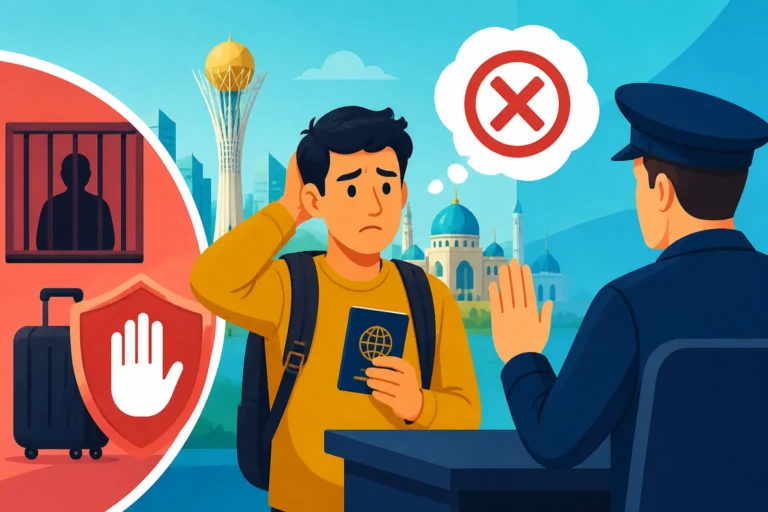
If your PR status is revoked, you will usually be given a grace period to appeal the decision or to leave the country. Failing to comply can lead to forced deportation and a ban from re-entry. It's a very serious matter, highlighting why vigilance is so important.
Common Pitfalls and How to Avoid Losing Your Permanent Residence
Expats often fall into similar traps when it comes to maintaining their PR. Learning from these common mistakes can save you a lot of grief.
1. Neglecting Address Registration
This is perhaps the most frequent administrative error. Expats move to a new apartment, get busy, and forget to update their address registration. They might think "it's just down the road" or "I'll do it next week," but days turn into weeks, and suddenly, they're outside the legal timeframe.
- Solution: Make address re-registration a top priority when you move. Put a reminder in your calendar for a few days before your move to gather landlord documents. Use the eGov portal if you're comfortable, or head to your nearest PSC. Always keep the new registration slip or printout from eGov.
2. Underestimating Travel Time Limits
"I'm just going back home for a few months." Famous last words. Before you know it, a few months turn into half a year, then eight months, especially if there are family issues or work commitments abroad. You might assume your PR protects you indefinitely, but it doesn't.
- Solution: Be realistic about your travel plans. If you anticipate a long absence, research the specific current guidelines from the Migration Service. If in doubt, err on the side of caution and plan to return to Kazakhstan more frequently. If you're abroad for a medical emergency, ensure you have comprehensive health insurance like Cigna Global to cover unforeseen circumstances, as managing health issues overseas can be complex. Keep all medical records and travel documentation.
3. Ignoring Official Notifications or Laws
Sometimes, expats might receive letters (in Kazakh or Russian) from government agencies, perhaps related to their address, taxes, or other administrative matters, and dismiss them if they don't immediately understand the content. Or they might simply not keep up-to-date with changes in immigration laws.
- Solution: Never ignore official correspondence. If you receive a letter you don't understand, get it translated immediately. Local legal services or even a trusted Kazakhstani friend can help. Regularly check official government websites or expat forums for updates on immigration laws. The legal landscape can change, and you need to be aware.
4. Lack of Documentation
While Kazakhstan is increasingly digitised, paper trails are still incredibly important. Many expats neglect to keep copies of old rental agreements, utility bills, or past registration certificates.
- Solution: Create a dedicated "Kazakhstan Documents" folder, both physical and digital. Scan everything: old PR cards, address registrations, IIN certificates, bank statements, tax documents, and any official correspondence. This can be a lifesaver if you ever need to prove your continuous residence or administrative compliance.
5. Assuming Your Employer Handles Everything
If you're working for a local company, they might have handled your initial work permit and temporary residence. However, once you have PR, many of the ongoing obligations shift to you, the individual. Don't assume your employer will manage your PR card renewal or address changes.
- Solution: Understand your personal responsibilities. While your employer might assist with some aspects (especially if it impacts your work), the onus is on you to maintain your PR. Be proactive and manage your own administrative deadlines.
Practical Tips for Seamless Maintenance
Living in Kazakhstan as an expat can be wonderfully rewarding, but it does require a proactive approach to administration. Here are some actionable tips to keep your permanent residence status in good standing.
Create a Personal Administrative Checklist
Don't rely on memory. Set up a system to track your documents and deadlines.
- Annual Review: Once a year, sit down and review all your key documents: passport expiry, PR card expiry, IIN certificate (just to check it's safe), and any other permits.
- Digital Reminders: Set calendar reminders for important dates, like PR card renewal (set it 3-6 months in advance), and annual tax filing deadlines.
- Document Checklist: Keep a physical checklist of documents you have and where they are stored. This is helpful when you need to quickly locate something.
Leverage Technology: The eGov Portal
Kazakhstan's eGov portal (egov.kz) is an invaluable resource for expats. Many administrative services, including address registration and checking your IIN details, can be done online.
- Digital Signature (EDS): To use eGov effectively, you'll need an Electronic Digital Signature (EDS). This is obtained at a PSC and allows you to sign documents digitally, making many processes much smoother. If you don't have one, get one. It’s a game-changer for administrative tasks.
- Online Services: Explore the services available for foreigners. This can save you countless trips to the PSC and reduce interaction with officials, which can sometimes be challenging due to language barriers or varying interpretations of rules.
Maintain Financial Health and Tax Compliance
Your financial standing and tax compliance are closely linked to your PR status and your general good standing in the country.
- Regular Income: Ensure you have a stable and legal source of income. This demonstrates self-sufficiency, a key criterion for PR.
- Tax Filing: File your annual income tax returns (form 250.00 for individuals) on time. Even if you believe you owe no tax (due to the flat 10% rate being withheld by your employer, for example), understanding the system is crucial. The State Revenue Committee can be unforgiving with non-compliance.
- Bank Accounts: Keep your Kazakhstani bank accounts active. This is another tangible tie to the country.
Stay Informed and Seek Professional Advice
The laws and regulations, particularly concerning immigration, can change. What was true yesterday might not be true today.
- Official Sources: Prioritise information from official sources like the Ministry of Internal Affairs (which oversees the Migration Service) or the eGov portal.
- Legal Counsel: For complex situations, such as anticipating a very long absence or if your PR is under review, do not hesitate to consult with an immigration lawyer specialising in Kazakhstani law. It might seem like an expense, but it can save you from far greater problems down the line.
- Expat Networks: Join local expat groups or online forums. While these aren't official sources, they can be excellent places to share experiences, ask questions, and learn about common issues or recent changes from fellow expats. Just remember to verify any critical information with official sources or legal professionals.
Here's a quick summary table of key Permanent Resident obligations:
| Obligation | Frequency / Trigger | Where to Act | Key Action | Potential Consequence of Failure |
|---|---|---|---|---|
| Maintain Physical Presence | Ongoing (avoiding extended absence) | Your travel records | Ensure presence in KZ predominantly; document any long absences. | PR review/revocation |
| Address Registration | Within 10 working days of moving | PSC / eGov portal | Re-register your address when you move. | Fines, PR review |
| PR Card Renewal | Before expiry (typically every 10 years) | PSC | Submit renewal application with required documents. | Inability to prove status, fines, travel issues |
| Adherence to Kazakhstani Laws | Ongoing | Daily life, legal interactions | Avoid criminal and serious administrative offences. | PR revocation, deportation, fines |
| Tax Compliance | Annually (or as required by income source) | State Revenue Committee / eGov portal | File tax returns, pay taxes on time. | Fines, legal action, PR review |
| IIN (Individual Identification Number) | Ongoing | Keep secure, ensure correct on all documents | Ensure your IIN is valid and correctly used. | Administrative hurdles, inability to use services |
Maintaining permanent residence in Kazakhstan is definitely an ongoing commitment, but it's a manageable one if you're prepared and proactive. By staying informed, keeping your documents in order, and adhering to the legal requirements, you can continue to enjoy the stability and opportunities that come with making Kazakhstan your home.
Disclaimer
The information provided in this guide is intended for general informational purposes only and does not constitute legal or professional advice. While we strive to provide accurate and up-to-date information, immigration laws and procedures in Kazakhstan can change frequently and may be subject to individual interpretation. We strongly recommend consulting with a qualified immigration lawyer or the official Migration Service of Kazakhstan for advice tailored to your specific situation. Reliance on any information in this guide is solely at your own risk.