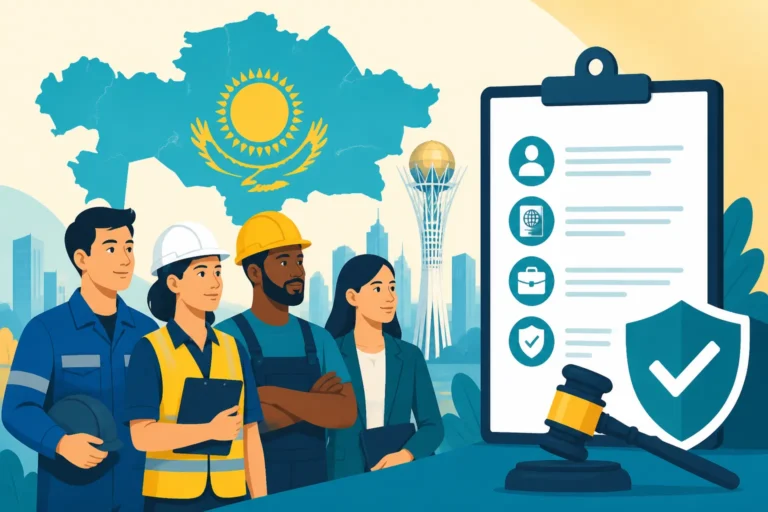
The Complete Guide to Working in Kazakhstan as a Foreigner (2027)
Oh, trying to figure out how to get a job and actually work legally in Kazakhstan as a foreigner can feel like you're trying to solve a Rubik's Cube blindfolded. The rules aren't always crystal clear, the processes can be baffling, and the bureaucracy… well, let's just say it builds character. But don't you worry, you're not alone in feeling this way. This comprehensive guide is here to untangle the complexities, walk you through the real-world steps, and give you the insider knowledge you need to successfully navigate the Kazakhstani job market and build a life here.
First Steps Understanding Visa and Work Permit Requirements
Before you can even dream of settling into an office chair or starting your own venture here, you need to grasp the foundational legalities. This is often the first hurdle, and it's where many hopeful expats feel the most frustration. Kazakhstan, like any sovereign nation, has its own set of rules for foreigners wishing to work, and trust me, they're not always intuitive.
Distinguishing Between a Visa and a Work Permit
Many people, especially those new to international moves, tend to conflate visas and work permits, or use the terms interchangeably. But in Kazakhstan, they are distinct and equally crucial pieces of your puzzle. Think of it this way: your visa gets you into the country and allows you to stay for a specific purpose (like seeking employment or working for a particular company), while your work permit gives you the legal right to perform labour within the country. You absolutely need both.
A work visa, often an 'C3' or 'M3' category for employment, is what allows you to enter and reside in Kazakhstan for a period related to your employment. It's usually issued based on an invitation from your prospective employer. The work permit, on the other hand, is generally issued by the Ministry of Labour and Social Protection to your employer, authorizing them to hire a foreign specialist like you. This authorization is what makes your employment legal. Without a valid work permit, even with a work visa, you could face penalties, and your employer could face significant fines and even a ban on hiring foreigners in the future. It’s a bit of a chicken-and-egg situation – you need a job offer to get the work permit process started, and you need the work permit to get the work visa, and then you need the work visa to actually start working! It’s enough to make your head spin, but understanding this fundamental difference is critical to avoid missteps.
The Role of Employer Sponsorship
In Kazakhstan, the responsibility for securing a work permit for a foreign employee almost always falls to the hiring company. This is not like some countries where you can just apply for a generic work permit and then look for a job. Here, your employer is your lifeline. They apply for the work permit on your behalf, navigating the often-complex local bureaucracy with the Ministry of Labour. This process includes proving that there are no qualified Kazakhstani citizens available for the position, and demonstrating the economic necessity of hiring a foreigner. For certain high-demand, high-skill positions, this can be smoother, but for others, it can be a lengthy process.
Because of this reliance, your relationship with your employer during the visa and permit process is paramount. They need to be proactive, informed, and diligent. Make sure you're communicating constantly, providing all requested documents promptly, and gently following up. Sometimes, local HR departments might be less experienced with foreign hires, leading to delays or mistakes. It’s not uncommon to feel like you’re doing half the legwork yourself, even though it's technically their responsibility. Don't be afraid to ask questions, double-check information, and keep your own copies of everything. For a deeper dive into this, check out our guide on how a work permit and employer sponsorship work in Kazakhstan.
Required Documents and Application Process
Getting your work permit and visa sorted involves a mountain of paperwork. And when I say mountain, I mean it – a whole collection of documents, often needing notarization, apostille, and official translation into Kazakh or Russian. It's a task that demands meticulous attention to detail.
Here’s a general rundown of what you’ll typically need, though this can vary based on your nationality, the specific job, and the current regulations:
- Passport: A valid passport with at least six months' validity beyond your intended stay.
- Photographs: Standard passport-sized photos.
- CV/Resume: Often needing to be adapted to local formats.
- Educational Diplomas/Certificates: These will likely need to be legalized (apostilled in your home country) and officially translated. Don't underestimate this step; it can take weeks or even months depending on your home country's procedures.
- Police Clearance Certificate: Proof that you have no criminal record, also often requiring legalization and translation.
- Medical Certificate: A health check confirming you don't have certain communicable diseases, usually performed by an authorized clinic in Kazakhstan once you arrive or sometimes required from your home country.
- Employment Contract: A draft or signed contract from your Kazakhstani employer.
- Employer's Documents: Your company will need to provide a host of their own corporate documents, registrations, and justification for your hire.
- IIN (Individual Identification Number): This is a critical personal tax identification number you'll need for almost everything in Kazakhstan, including your visa and work permit. You can't really do anything without it! You can learn more about how to get an IIN (Individual Identification Number) in Kazakhstan.
The application process usually starts with your employer applying for your work permit. Once that's approved, they’ll issue an official invitation letter, which you then use to apply for your work visa at a Kazakhstani embassy or consulate in your home country. Remember, processing times are not set in stone; they can take anywhere from a few weeks to several months. Always factor in potential delays and start the process as early as humanly possible.
| Document Type | Required For Work Permit (Employer) | Required For Work Visa (Individual) | Notes |
|---|---|---|---|
| Passport | Yes | Yes | Must be valid for at least 6 months beyond intended stay. |
| Passport Photos | Yes | Yes | Specific dimensions often required. |
| CV / Resume | Yes | Yes (sometimes) | Tailor to Kazakhstani market. |
| Educational Diplomas | Yes (original & translated) | Yes (translated copies) | Often requires Apostille/Legalization from home country. |
| Police Clearance | Yes (original & translated) | Yes (translated copies) | Also often requires Apostille/Legalization. |
| Medical Certificate | Yes | Yes | Specific tests; some can be done in Kazakhstan. |
| Employment Contract | Yes | Yes (copy) | Draft or signed. |
| Invitation Letter | N/A | Yes (original) | Issued by employer after work permit approval. |
| IIN (Individual ID Number) | Yes | Yes | Essential for all official dealings; apply early. |
| Employer Documents | Yes | N/A | Business registration, justification for foreign hire, etc. |
This table provides a general overview, but always double-check the latest requirements with the Ministry of Foreign Affairs of Kazakhstan or your employer's legal team.
The Job Search Landscape Where to Look and How to Stand Out
Kazakhstan's job market can be a mixed bag for expats. While certain sectors actively seek foreign expertise, others are more competitive or require local language skills. Understanding where your skills fit and how to present yourself effectively is crucial.
High-Demand Sectors for Foreigners
Certain industries in Kazakhstan consistently attract foreign talent. If your background aligns with these, your job search might be a bit smoother. The oil and gas sector has historically been a major employer for expats, particularly in western Kazakhstan, with roles in engineering, project management, and specialized technical fields. Big international players still operate here, though the market can fluctuate with global oil prices.
Beyond oil and gas, the IT and technology sector is rapidly growing, especially in major cities like Almaty and Astana. There's a push for digitalization, creating opportunities for software developers, IT managers, data analysts, and cybersecurity specialists. Education, particularly in international schools and private universities, is another consistent area for foreign hires, especially for English-speaking teachers and academic staff. The finance and consulting industries, particularly with international firms, also seek skilled professionals, especially those with experience in international markets. Finally, some manufacturing and construction projects, often involving foreign investment, might also bring in specialized foreign expertise. You can also explore how to find work in Kazakhstan's oil and gas sector for more specific guidance.
Essential Job Search Platforms and Networking Strategies
While you might be used to LinkedIn and international job boards, finding a job in Kazakhstan often requires a multi-pronged approach. Of course, platforms like LinkedIn are still very relevant, especially for roles in international companies or those specifically targeting expats. Local job portals like Rabota.kz or HeadHunter.kz (Hh.kz) are widely used and indispensable for the local market, though they often require some Russian or Kazakh language proficiency to navigate effectively. Sometimes, companies post primarily in Russian, even for positions where English might be the working language.
Beyond online platforms, networking is incredibly powerful here. Word of mouth and personal connections (known as "svyazi" in Russian) can open doors that online applications never will. Attend industry events, join expat groups on social media (Facebook groups are particularly active in Almaty and Astana), and connect with people already working in your desired field. Even reaching out to recruiters who specialize in expat placements can be a good strategy. Don't forget to tailor your CV for the Kazakhstani job market; it's often more formal and may require specific information that differs from Western standards. Our guide, The Expat Guide to Finding a Job in Kazakhstan (2027), has even more valuable tips.
Crafting a Winning CV and Cover Letter for Kazakhstan
Your CV and cover letter are your first impression, and getting them right for the Kazakhstani context is crucial. While a standard professional CV is a good starting point, there are nuances to consider. Typically, Kazakhstani employers appreciate a more comprehensive CV than perhaps a super-concise Western one. Include a professional headshot – it's quite common here and can make your application stand out. Detail your educational background extensively, including university names, degrees, and dates. Always list your languages and proficiency levels, as this is highly valued.
In your cover letter, express genuine interest in Kazakhstan and the company. Highlight how your foreign experience and skills specifically benefit the local market or the company's international aspirations. Address any potential concerns, such as your visa status (e.g., "I understand the requirements for a work permit and am prepared to cooperate fully with the necessary procedures upon an offer of employment"). Remember, while the job market is becoming more globalized, a local touch in your application shows respect and commitment. Don't be shy about stating your salary expectations, but do your research on local averages beforehand. For a detailed walkthrough, you should definitely read How to Adapt Your CV for the Kazakhstani Job Market.
Navigating Local Labour Laws Your Rights and Responsibilities
Understanding your rights and obligations as a foreign employee in Kazakhstan is not just good practice; it's essential for your protection and to ensure a smooth working relationship. Kazakhstani labour law, while having some similarities to international standards, also has its unique characteristics.
Understanding Employment Contracts and Terms
Your employment contract is the cornerstone of your working life in Kazakhstan. It should be written in both Kazakh (or Russian) and English, ensuring you fully understand all terms. Key elements to look for include:
- Type of Contract: Is it fixed-term or indefinite? Fixed-term contracts are common for foreign specialists, often tied to the duration of your work permit.
- Job Description and Responsibilities: Clearly outlined roles and expectations.
- Salary and Benefits: Explicit details on your remuneration, payment schedule, and any additional benefits like health insurance, housing allowance, or relocation package. Ensure these align with what was discussed.
- Working Hours: Standard working hours in Kazakhstan are typically 40 hours per week, 8 hours a day, five days a week. Overtime rules should also be specified.
- Leave Entitlements: Annual leave is usually 24 calendar days, but specific agreements can vary. Public holidays are also important to note.
- Termination Clauses: Understand the notice periods, conditions for termination, and any severance pay entitlements.
It's a good idea to have any contract reviewed by a local legal professional, especially if it's a significant role or you have any doubts. Don't rush into signing anything you don't fully comprehend. Our guide, Understanding Kazakhstani Labour Law and Worker Rights (2027), delves much deeper into these details.
Working Hours, Overtime, and Public Holidays
The standard workweek in Kazakhstan is 40 hours, typically spread over five days. However, depending on your industry and role, especially in sectors like oil and gas or project-based work, variations can occur. It’s crucial that any deviation from the standard is clearly stipulated and legally compliant within your contract. Overtime work is generally compensated at a higher rate, often 1.5 times your regular hourly wage, or by providing compensatory time off. However, there are limits to how much overtime an employee can be asked to work.
Kazakhstan observes a number of public holidays throughout the year, many of which result in long weekends. If a public holiday falls on a weekend, the day off is usually shifted to the next working day. Employees are generally entitled to these days off with pay. If you are required to work on a public holiday, you are usually compensated at double your regular rate or given a different day off. It’s worth familiarizing yourself with the official holiday schedule, as these breaks can be a wonderful opportunity to explore the country or simply recharge.
Termination and Severance Pay
No one likes to think about their employment ending, but understanding the rules around termination and severance is crucial for your financial security and peace of mind. Kazakhstani labour law provides specific grounds and procedures for employment termination, protecting employees from arbitrary dismissal.
Common reasons for termination include:
- Mutual agreement
- Expiration of a fixed-term contract
- Employee resignation (with specific notice periods, usually one month)
- Employer-initiated termination (for reasons such as liquidation of the company, reduction of staff, or serious breaches of duty by the employee)
If your employment is terminated by the employer for reasons not related to your fault (e.g., company restructuring), you are typically entitled to severance pay. The amount usually depends on your length of service and the reason for termination, but it’s often calculated as one month's average salary for each year worked, or a similar formula. The specifics should be detailed in your employment contract and adhere to the Labour Code of Kazakhstan. Again, in such situations, professional legal advice is highly recommended to ensure your rights are fully upheld.
Financial Realities Salaries, Taxes, and Cost of Living
Moving for work is, inevitably, about the money. You need to understand the financial landscape here to ensure you’re making a move that makes sense for you and your family. Kazakhstan offers a distinct economic environment that can be quite favorable for expats, but it's important to grasp the nuances.
Average Salaries and Remuneration Packages
Salaries in Kazakhstan can vary wildly depending on the industry, your experience, your role, and whether you're working for a local or international company. Generally, expat packages, especially in the oil and gas or international corporate sectors, can be quite competitive, often including allowances for housing, transport, and international schooling. However, for those joining local Kazakhstani companies, salaries might be lower than what you'd find in Western Europe or North America, but still offer a comfortable lifestyle given the lower cost of living.
For example, an experienced project manager in the oil and gas sector might command a significantly higher salary than a similar role in a local IT startup. IT professionals, engineers, and finance specialists in international firms are typically among the higher earners. It's always best to research specific industry averages and negotiate your package robustly. Be prepared to discuss not just your base salary, but also any allowances, bonuses, and benefits, as these can significantly impact your overall financial well-being here. Remember to consider the cost of living versus your potential salary. Our article, The Complete Guide to Cost of Living in Kazakhstan for Expats (2026), can give you a clear picture.
Understanding Individual Income Tax and Social Contributions
Kazakhstan is renowned for its attractive flat tax rate. For individual income, the rate is a flat 10% for residents. This is one of the most appealing aspects of working here for many foreigners. However, understanding who is considered a tax resident and when your foreign income might be subject to Kazakhstani tax is crucial. Generally, if you spend 183 days or more in Kazakhstan within any consecutive 12-month period, you are considered a tax resident. This simple flat rate often means a greater portion of your salary stays in your pocket compared to many other countries.
Beyond income tax, you'll also contribute to the mandatory social health insurance (OSMS), pension fund, and social contributions. These contributions are typically deducted directly from your salary by your employer. The rates for these can change, but generally, they are a percentage of your gross salary, up to certain caps. For example, pension contributions are usually 10% of your monthly income (up to a certain limit), while OSMS contributions are a smaller percentage. It's vital to confirm these deductions with your employer and ensure they are being paid correctly. Navigating the complexities of Kazakhstani tax law can feel like a labyrinth, and many expats find specialized services like Taxes for Expats invaluable for ensuring compliance. You can learn more about how much income tax you'll pay in Kazakhstan in 2026 for more detailed information.
Cost of Living in Major Cities
Compared to many Western countries, the cost of living in Kazakhstan, especially in cities like Almaty and Astana, can be surprisingly affordable, particularly for staples like groceries, transport, and utilities. However, housing can be a significant expense, particularly for modern, expat-standard apartments in desirable areas. Utilities (electricity, water, heating) are generally very reasonable, especially with central heating being standard in most apartments during the colder months.
Eating out is also quite affordable, with a wide range of options from budget-friendly local cafes to mid-range international restaurants. Private international school fees, however, can be substantial if you have children, and should be factored into your financial planning. While petrol is cheap, and public transport is extensive and inexpensive, owning and running a car can add to your costs. Overall, a good expat salary often allows for a very comfortable lifestyle, with opportunities to save or invest. But, as with any move, creating a detailed budget before you arrive is highly recommended. Our The Complete Guide to Taxes in Kazakhstan for Expats (2027) offers a comprehensive overview of your obligations.
Cultural Nuances in the Kazakhstani Workplace
Stepping into a new workplace culture is often one of the most exciting, yet challenging, aspects of expat life. Kazakhstan’s business environment blends traditional Central Asian values with influences from its Soviet past and growing global interactions. Understanding these dynamics can make a world of difference in your professional integration.
Communication Styles and Professional Etiquette
Kazakhstani workplace communication can initially feel quite formal, especially in written correspondence and initial meetings. Politeness and respect for hierarchy are paramount. Titles are important, and addressing colleagues by their first name and patronymic (e.g., Ivan Ivanovich) is a common sign of respect, though in more international companies, first names are becoming more prevalent. When dealing with superiors, a respectful, somewhat indirect approach is often favored over direct confrontation or overly casual speech.
Meetings often involve discussions, but decisions might ultimately be made by a senior manager or behind the scenes, rather than through a fully collaborative consensus. Don't be surprised if discussions take longer than you're used to, or if agendas are flexible. Building personal relationships is also key; business often happens through relationships rather than just transactions. A friendly, open demeanor, and a willingness to engage in informal conversations can go a long way in building trust and rapport. Be prepared for hospitality; refusing tea or coffee can sometimes be seen as impolite.
Hierarchy, Decision-Making, and Relationships
The workplace culture in Kazakhstan is typically hierarchical. Decisions often flow from the top down, and respect for senior figures is deeply ingrained. This means that direct challenges to authority, or attempts to bypass the chain of command, can be counterproductive. Patience is a virtue here; major decisions might take time, as they often need to pass through multiple layers of approval.
Building strong personal relationships with colleagues, both horizontally and vertically, is incredibly important. Trust is built over time, often through shared experiences and demonstrating reliability. This means investing time in social interactions, whether it's a casual coffee break, a team lunch, or after-work gatherings. These informal interactions are where much of the real "work" of relationship-building happens, paving the way for smoother professional collaboration. It’s a dance, really, of formal protocol and informal connection.
The Importance of Language Skills
While English is increasingly common in international companies and among younger professionals, particularly in Almaty and Astana, having a grasp of Russian or Kazakh can significantly enhance your experience and career prospects. Russian remains the primary language of business communication across many sectors, and it’s widely spoken throughout the country. Kazakh is the state language, and its importance is growing, especially in government and education.
Learning some basic phrases in either language will not only help you in daily life but will also show a genuine commitment to integrating into Kazakhstani society and culture. It's a sign of respect that colleagues and local contacts truly appreciate. Even a few words can break the ice. Platforms like iTalki offer fantastic opportunities to learn Russian or Kazakh from native speakers, allowing you to practice conversational skills that are invaluable in the workplace and beyond. Don't underestimate the power of language to unlock deeper connections and open new opportunities.
Professional Development and Networking
Once you're settled into your job, thinking about your long-term career trajectory and building a professional network becomes vital. Kazakhstan offers opportunities for growth, but you need to be proactive in seeking them out.
Training, Upskilling, and Career Growth Opportunities
Many international companies operating in Kazakhstan offer excellent internal training and professional development programs, often aligned with global standards. These can range from technical skill-building workshops to leadership development courses. If you're working for a local company, opportunities might be more varied; some larger local firms are investing heavily in employee development, while smaller ones might rely more on on-the-job learning.
Actively seeking out opportunities to upskill, whether through online courses, certifications, or internal company initiatives, will serve you well. The Kazakhstani market is evolving rapidly, and staying current with industry trends and acquiring new skills can position you for significant career advancement. Don't be shy about discussing your career aspirations with your manager; often, showing initiative is highly valued. Whether you want to climb the corporate ladder or pivot your career entirely, being proactive about your learning journey is key.
Building Your Professional Network as an Expat
Networking is crucial anywhere, but in Kazakhstan, it takes on an even greater significance due to the emphasis on personal connections. Attending industry conferences, seminars, and trade shows is an excellent way to meet professionals in your field. These events happen regularly in Almaty and Astana. Look for professional associations related to your industry; many have local chapters that host events and provide networking opportunities.
Expat business clubs and chambers of commerce (like the American Chamber of Commerce or European Business Association) are also fantastic resources. They often host regular events, from casual mixers to formal luncheons with guest speakers, providing a platform to connect with other international professionals and local business leaders. Building a robust network not only helps with career opportunities but also provides a vital support system for navigating life and work in a new country. Don't just stick to your expat bubble; actively seek out connections with Kazakhstani professionals.
Leveraging Online Platforms for Professional Connections
While face-to-face networking is vital, don't underestimate the power of online platforms. LinkedIn remains the most professional platform for connecting with colleagues, recruiters, and industry leaders in Kazakhstan. Make sure your profile is up-to-date and reflects your professional aspirations. Engage with posts, share relevant industry articles, and participate in discussions to increase your visibility.
Beyond LinkedIn, local platforms (even general social media like Facebook, believe it or not) can sometimes host professional groups or communities relevant to specific industries or expat interests. These can be great for sharing advice, asking questions, and discovering events. Think of online platforms as a complementary tool to your in-person networking efforts. They allow you to maintain connections, follow up after meetings, and keep a pulse on the local job market and industry trends even when you can't be physically present.
Self-Employment and Entrepreneurship Opportunities
For those with an independent spirit, Kazakhstan is increasingly opening its doors to foreign entrepreneurs and freelancers. The government is actively working to improve the business climate, making it an interesting place to consider setting up your own venture.
Registering as an Individual Entrepreneur IP
If you're looking to freelance or start a small, single-person business, registering as an Individual Entrepreneur (IP, or Individualny Predprinimatel in Russian) is usually the simplest route. The process involves registering with the State Revenue Committee (the tax authority) and obtaining an IIN if you don't already have one. This allows you to operate legally, issue invoices, and pay taxes under a simplified tax regime.
The simplified tax regime is quite attractive, offering a lower tax burden compared to larger companies. You'll typically pay a small percentage of your income (often around 3% for certain activities, though this can vary) every quarter. You'll also need to make mandatory pension and social contributions. While the process is generally straightforward, it does require a good understanding of the local regulations and potentially some proficiency in Russian or Kazakh, or the assistance of an accountant or lawyer. For those seeking to become independent, our comprehensive guide on Self-Employment in Kazakhstan: Registering as an IP and Going Independent (2027) offers invaluable step-by-step advice.
Understanding the Simplified Tax Regime
The simplified tax regime for Individual Entrepreneurs is one of Kazakhstan's most appealing features for small businesses and freelancers. It's designed to reduce the administrative burden and tax obligations for self-employed individuals and micro-businesses. Instead of the general tax regime with VAT, corporate income tax, and various other deductions, the simplified regime usually involves a single tax payment on gross income.
For many IPs, especially those providing services, this could mean paying just 3% of their revenue (depending on the type of activity and limits). You'll usually file a tax declaration and make payments quarterly. This streamlined approach makes it significantly easier to manage your finances compared to more complex corporate structures. However, it's crucial to ensure your business activities qualify for this regime and that you stay within the revenue thresholds. Exceeding these thresholds might require you to transition to a different tax regime. Again, seeking advice from a local tax consultant is always a wise investment.
Opportunities for Startups and Innovation
Kazakhstan has a burgeoning startup ecosystem, particularly in Almaty and Astana. The government has made efforts to attract foreign investment and expertise in technology and innovation. Initiatives like Astana Hub, an international tech park, offer special conditions for IT startups, including tax benefits and support services. This can be a fantastic environment for tech entrepreneurs looking to launch new ventures with lower operating costs and access to a growing regional market.
If you have an innovative business idea, especially one that addresses local market needs or leverages new technologies, you might find a receptive environment. Angel investors and venture capital funds are emerging, though they are not as numerous as in more developed markets. Networking within the startup community is essential, and participating in hackathons, pitch events, and incubators can provide valuable connections and support. While starting a business in any foreign country is challenging, Kazakhstan's supportive policies for IT and innovation, combined with a relatively low cost of living, make it an intriguing option for the adventurous entrepreneur.
Bringing Your Family Dependent Visas and Support Systems
For many expats, moving for work isn't just about their career; it's about bringing their loved ones along. Kazakhstan has provisions for family reunification, but it requires careful planning and understanding of the immigration process for dependents.
Sponsoring Your Spouse and Children
If you're coming to Kazakhstan on a work visa and plan to bring your spouse and children, you'll typically need to sponsor them for dependent visas and residence permits. The process usually involves your employer extending their sponsorship to your family members. This often means they'll apply for invitation letters for your family, which your family then uses to apply for their respective visas (e.g., a "family reunification" visa or a specific dependent visa category) at a Kazakhstani embassy or consulate.
The documents required for dependents are similar to yours: passports, photos, marriage certificates (for spouses), birth certificates (for children), and potentially police clearance and medical certificates, all requiring translation and legalization. The key is to demonstrate the familial relationship and your financial capability to support them without them becoming a burden on the state. It can feel like an endless loop of paperwork, but remember, countless expat families have navigated it successfully. You can find more targeted advice in our article on how to sponsor your spouse and children for residence in Kazakhstan.
Schooling Options for Expat Children
One of the biggest concerns for expat families is their children's education. Kazakhstan, especially in Almaty and Astana, offers a range of schooling options.
- International Schools: These are the most popular choice for many expat families, offering curricula like the British, American, or International Baccalaureate (IB) systems, taught in English. Schools like Haileybury Almaty, Almaty International School (AIS), and Nur-Orda International School in Astana are well-regarded but come with significant tuition fees. They provide a familiar educational environment and often a strong expat community.
- Private Local Schools: Some private Kazakhstani schools offer bilingual programs (Kazakh-Russian-English) and good quality education. These might be a more affordable option than international schools but require a greater adaptation to the local language and curriculum.
- Public Schools: While an option, public schools primarily teach in Kazakh or Russian and may not be suitable for children without proficiency in these languages.
Choosing the right school depends on your child's age, language proficiency, and your family's long-term plans. It's advisable to research schools well in advance, understand their admissions processes, and factor in tuition costs into your budget.
Healthcare and Social Integration for Families
Ensuring your family has access to quality healthcare is paramount. As an expat working legally, you and your dependents will typically be covered by the compulsory social health insurance (OSMS) system, which provides access to public clinics and hospitals. However, many expats also opt for private international health insurance to access private clinics, which often offer higher standards of care, English-speaking staff, and shorter wait times. Understanding mandatory health insurance contributions in Kazakhstan is a good place to start your research.
Social integration for families often happens through school communities, expat groups, and local clubs. International schools are hubs for expat families, offering a ready-made community for both children and parents. Exploring local parks, museums, and cultural centers can also help your family connect with the local culture. Joining online expat forums for Almaty or Astana can provide a wealth of information on family-friendly activities, support networks, and advice from others who have gone through the same experiences. Building a life here with your family takes effort, but the rich cultural experiences and welcoming nature of the people can make it incredibly rewarding.
Disclaimer
The information provided in this guide is for general informational purposes only and does not constitute legal, financial, or immigration advice. While every effort has been made to ensure accuracy, laws and regulations in Kazakhstan are subject to change. Always consult with qualified legal, tax, or immigration professionals for advice tailored to your specific situation before making any decisions related to working or residing in Kazakhstan.