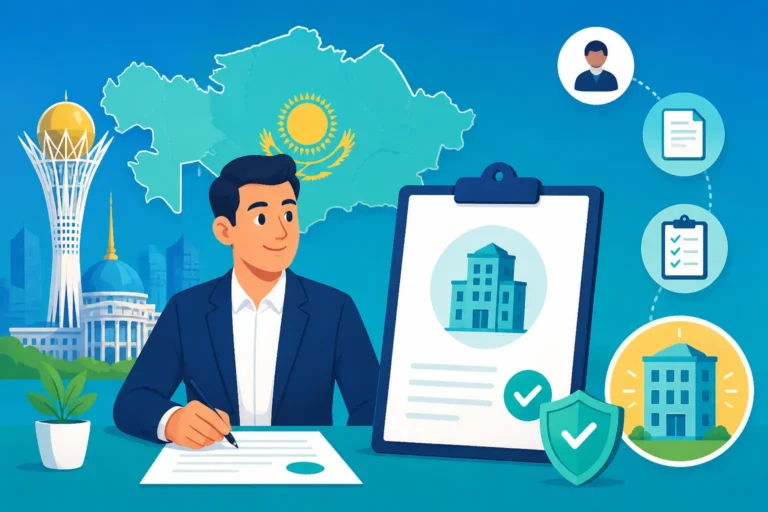
What Is the Job Market Like in Astana for Expats?
So, you’re thinking about taking the leap and exploring career opportunities in Astana? I get it. Moving to a new country, especially one as unique and rapidly developing as Kazakhstan, comes with a whole host of questions, and a big one is always: "What's the job market actually like for people like me?" It’s easy to feel a bit lost in the sea of online information, wondering if your skills will translate or if you’ll even find a viable path. This guide is here to cut through the noise, offering an expat's realistic look at finding work in Astana, from understanding the key industries to navigating the quirks of the local employment scene.
Navigating Astana's Evolving Job Market for Foreigners
Astana, now officially Nur-Sultan again, but still commonly referred to as Astana by many, is a city built on ambition and forward momentum. It's the capital, a hub of government, finance, and increasingly, innovation. But what does that mean for you, a foreigner looking for work? Well, it means a dynamic, albeit sometimes challenging, environment. It's not always a straightforward path, but with the right approach and a healthy dose of patience, there are definitely opportunities to be found.
The Dynamic Economic Landscape and Key Sectors
Astana isn't just about oil and gas anymore, though that remains a foundational industry for Kazakhstan as a whole. The city has been strategically developed to diversify the national economy and become a regional powerhouse in its own right. This means new sectors are constantly growing and actively seeking international expertise.
One of the most prominent areas is the Astana International Financial Centre (AIFC). This is a big one, folks. The AIFC was established with the goal of becoming a leading financial hub in Central Asia, the Caucasus, EAEU, and beyond. It operates under English common law principles, which is a huge draw for international businesses and professionals. Here, you'll find roles in finance, law, auditing, compliance, risk management, and fintech. Companies ranging from established banks to emerging startups are setting up shop, and they often need people with international experience to help them navigate global standards and practices. If your background is in any aspect of the financial sector, the AIFC should be your first port of call.
Beyond finance, education is another significant sector, especially in English-speaking roles. Kazakhstan is investing heavily in its education system, from primary schools to universities. International schools like Haileybury Astana and Nazarbayev Intellectual Schools (NIS) regularly recruit foreign teachers. Universities, particularly Nazarbayev University, which has strong partnerships with top global institutions, also seek international faculty and researchers. If you're a qualified educator, there's a good chance you'll find openings.
The IT and tech sector is burgeoning, driven by government initiatives and a growing startup ecosystem. Kazakhstan is keen to foster a digital economy, and Astana is at the heart of this push. Look for opportunities in software development, data analytics, cybersecurity, and digital marketing. While many local companies are growing, international tech firms also have a presence, or are looking to expand, creating niches for those with specialized skills.
Finally, don't overlook international organizations and government projects. As the capital, Astana hosts numerous embassies, UN agencies, and other international bodies. These often have roles for which foreign experience is highly valued. Furthermore, large-scale infrastructure projects or state-backed development programs occasionally seek international consultants or project managers. Keep an eye on the websites of organizations like the European Bank for Reconstruction and Development (EBRD) or the Asian Development Bank (ADB) for project-specific roles.
Language and Cultural Considerations in the Workplace
Here's the truth, and it's a critical one: while English is increasingly common in international companies and the AIFC, having some proficiency in Russian is a massive advantage, if not a necessity, for many roles. Kazakh is the state language, and its importance is growing, but Russian remains the dominant language of business and inter-ethnic communication across the country, especially in larger cities like Astana.
If you're eyeing a role in a purely international environment, English might be sufficient. However, if you're looking at local companies or even international companies that interact heavily with local clients or government bodies, knowing Russian will set you apart. It shows initiative, respect for the local culture, and significantly broadens your potential job pool. Don't underestimate this. Many expats I know who found jobs quickly had at least basic conversational Russian. It also helps immensely with daily life! Even a few phrases can make a huge difference in your integration. Services like iTalki can be a lifesaver for getting started with language learning before you even arrive or once you're on the ground.
Culturally, the Kazakhstani workplace often values hierarchy, respect for elders, and a more indirect communication style compared to some Western cultures. Personal connections (network!) can also play a significant role in securing opportunities. Don't be surprised if decisions take time; patience is definitely a virtue here. Building trust and rapport is paramount, and often, business deals are cemented over long meals and social interactions rather than just in a boardroom.
Unearthing Opportunities and Crafting Your Approach
Finding a job in a new country is rarely a walk in the park, and Astana is no exception. It requires a proactive, strategic approach, and a good understanding of where to look and how to present yourself.
Effective Job Search Strategies and Platforms
Your job search needs to be multi-pronged. Relying solely on one method will likely lead to frustration.
Start with the big international players. LinkedIn is probably your best friend here. Many international companies, particularly those within the AIFC, actively recruit through LinkedIn. Make sure your profile is fully optimized, highlights your international experience, and clearly states your interest in working in Kazakhstan/Astana. Follow companies that operate in the sectors mentioned above.
Beyond LinkedIn, explore local job boards. HeadHunter.kz (HH.kz) is the most dominant job search platform in Kazakhstan. While many listings will be in Russian, you'll find English-language postings there too, especially from larger companies or those specifically seeking foreign talent. It's worth learning how to navigate it, even if just to identify potential employers.
Don't forget recruitment agencies. There are local and international recruitment firms that specialize in placing foreign talent in Kazakhstan. Companies like Hays or Korn Ferry often handle executive-level or highly specialized roles. Researching and reaching out to these agencies can open doors to opportunities not publicly advertised. They often have deep connections with companies looking for specific skill sets that are scarce locally.
Finally, and this might be the most crucial: networking. Seriously, I cannot stress this enough. Many opportunities in Astana come through word-of-mouth or personal introductions. Join expat groups on social media (Facebook is popular for this), attend industry events (the AIFC often hosts them), and connect with people who are already working there. Even casual conversations can lead to invaluable leads or advice. It also helps immensely with adapting to life here, finding your feet, and getting insights you won't find anywhere else.
When it comes to your CV, remember to tailor it. While a standard international CV is generally fine, it helps to be concise and clearly articulate how your skills are relevant to the Kazakhstani context. Highlighting any experience in emerging markets or multicultural environments is a plus. For more detailed advice, you might want to read up on How to Adapt Your CV for the Kazakhstani Job Market.
Visa, Work Permits, and Sponsorship Realities
Alright, let's talk about the administrative side – often the trickiest part for expats. For most foreigners looking to work in Astana, you will need an employer to sponsor you for a work permit and then a work visa or residence permit for work. Kazakhstan doesn't have a general "job seeker" visa for most nationalities that allows you to arrive and then hunt for work. The general rule is, you need a job offer first.
This means employers take on a significant administrative burden to hire a foreigner. They have to prove that there isn't a qualified Kazakhstani national for the role, pay fees, and navigate the bureaucratic process of obtaining quotas and permits. This naturally means they'll primarily look for highly skilled professionals, those with niche expertise, or individuals for senior management roles where international experience is critical. Don't be discouraged, but be realistic about this.
The process can be lengthy and requires a lot of paperwork. Patience is key. Your prospective employer's HR department will usually handle most of it, but you'll be responsible for providing all necessary documents, often translated and apostilled. It's a dance, but your employer is usually your guide. For a deeper dive into this, check out How a Work Permit and Employer Sponsorship Work in Kazakhstan. Keep in mind that securing a work permit is a prerequisite for legal employment and access to many other services, including your individual identification number (IIN) and eventually, your local bank account.
Understanding Expectations: Salaries, Benefits, and Lifestyle
Coming to Astana, you're probably wondering about the financial side of things. Will you earn enough to live comfortably, save, and enjoy your time here? The answer, as always, is "it depends," but let's break it down.
Salary Expectations and Cost of Living Integration
Expat salaries in Astana can vary wildly depending on your industry, experience, and whether you're on an international package or a local hire contract. Generally, if you're coming on an international transfer or a senior role, you might expect a package that includes housing, flights, and potentially even schooling for children, in addition to a competitive salary. These are the "traditional" expat packages that are becoming less common but still exist for high-value roles.
For those hired locally, salaries will be benchmarked more against local wages, though often with an "expat premium" for specialized skills. Kazakhstan benefits from a very attractive flat 10% individual income tax rate, which is a significant advantage compared to many Western countries. This means more of your gross salary makes it into your pocket. However, you'll also have mandatory contributions to social security and pension funds. Understanding these contributions and the overall tax landscape is crucial for financial planning. For more on this, check out Understanding Income Tax and the Flat 10% Rate in Kazakhstan and Understanding Mandatory Health Insurance Contributions in Kazakhstan.
When we talk about the cost of living, Astana is generally considered more affordable than major Western European or North American cities, but it's not dirt cheap. Rent, especially for modern, Western-style apartments in central locations, can be substantial, though still less than London or New York. Groceries, local transportation, and utilities are relatively inexpensive. Eating out can range from very affordable local cuisine to pricy international fine dining.
To give you a rough idea, here's a general outlook on expat salaries in Astana for certain sectors, based on recent market trends. Keep in mind these are broad estimates and subject to significant variation.
| Sector (Senior/Experienced Level) | Estimated Annual Gross Salary (USD) | Common Additional Benefits (Often) |
|---|---|---|
| Finance (AIFC roles) | $60,000 – $150,000+ | Housing allowance, health insurance, annual flights |
| IT/Tech (Specialized roles) | $45,000 – $100,000+ | Relocation package, health insurance |
| Education (International Schools) | $40,000 – $70,000 | Housing, flights, tuition for children |
| Oil & Gas (Mid-senior roles) | $80,000 – $180,000+ | Rotational shifts, housing, flights, health insurance |
| Consulting/Advisory | $50,000 – $120,000+ | Health insurance, project bonuses |
| International Organizations | $50,000 – $100,000+ | Specific allowances, health insurance |
These figures are for illustrative purposes and can fluctuate widely based on company, exact role, and your negotiation skills. Always research current market rates for your specific profession.
When you factor in the cost of living, which you can dive into more deeply with resources like The Complete Guide to Cost of Living in Kazakhstan for Expats (2026), you can get a clearer picture of your potential disposable income. Remember, the low flat tax rate can make even a seemingly modest salary go further than you might initially expect. It's also worth familiarizing yourself with How Much Is the Average Salary in Kazakhstan in 2026? for broader context, but keep in mind expat salaries are often in a different bracket.
The Role of Local Skills and Qualifications Recognition
Kazakhstan prioritizes local employment, naturally. So, when a company seeks to hire a foreigner, it's typically for one of two main reasons: either the role requires highly specialized skills that are scarce in the local talent pool, or it's a senior leadership position where international experience and management expertise are deemed essential for the company's strategic goals.
This means your unique qualifications, international experience, and specialized knowledge are your biggest assets. If you have skills that are in high demand in the growing sectors of Astana (e.g., specific financial instruments expertise for the AIFC, advanced software development, or international curricula teaching experience), your chances of securing a sponsored position increase significantly.
You might also need to get your foreign qualifications recognized by the Kazakhstani authorities. This process, while administrative, is usually required for certain regulated professions or for academic positions. It involves submitting your degree certificates and transcripts for evaluation. For a complete understanding of this process, be sure to read How to Get Your Foreign Qualification Recognised in Kazakhstan. It's another layer of paperwork, yes, but a necessary one to ensure your credentials are valid within the local system.
Overcoming Challenges and Thriving as an Expat Professional
The expat journey is rarely without its bumps. Astana offers incredible experiences, but like any move abroad, it comes with unique challenges.
Common Hurdles and Navigating Bureaucracy
Let's be honest, bureaucracy can be a beast anywhere, and Kazakhstan is no exception. The administrative processes for everything from getting your Individual Identification Number (IIN) – your local tax ID – to registering with the migration service or setting up a bank account can feel slow and opaque. Documents are often requested in specific formats, translations and notarizations are usually required, and you might find yourself visiting the same office multiple times for what seems like a simple task.
One of the biggest frustrations expats face is often the lack of clear, consistent information in English, and the need for persistence. This is where a good employer's HR department or a reliable local fixer/lawyer becomes invaluable. They can guide you through the maze.
For your financial obligations, especially when you're settling in and trying to understand all the local rules, it's often wise to seek professional advice. Services like Taxes for Expats specialize in helping foreigners navigate complex international tax situations and can clarify your obligations in Kazakhstan. This can save you a lot of headaches down the line and ensure you're compliant with local regulations from day one. They can also advise on any double taxation agreements your home country might have with Kazakhstan, preventing you from paying tax twice on the same income. If you're considering setting up as an individual entrepreneur (IP), which is an option for some freelancers or consultants, you'll definitely want to look into How to Register as an Individual Entrepreneur (IP) in Kazakhstan and get expert advice on the tax implications.
Building Your Network and Adapting to Life in Astana
Beyond the professional, successfully adapting to life in Astana plays a huge role in your overall job satisfaction and well-being. The city has a growing expat community, and connecting with them can be incredibly helpful. These communities often share tips, support each other through challenges, and organize social events. Facebook groups for "Expats in Astana" are a great place to start.
Making an effort to learn at least basic Russian, as I mentioned earlier, will not only help your career prospects but also significantly enrich your daily life. You'll be able to navigate shops, restaurants, and public transport more easily, and engage with locals beyond simple transactions. Even a few phrases can break down barriers and open up new social opportunities. Remember, cultural immersion tools like iTalki are readily available online and can connect you with native Russian or Kazakh speakers for lessons, helping you gain confidence quickly.
Astana is a modern, purpose-built capital with impressive architecture, numerous parks, and a decent selection of international restaurants and entertainment options. While it might not have the historical charm of Almaty, it offers a high quality of life with good infrastructure, particularly in the newer parts of the city. Embrace the experience, be open to new customs, and proactively seek out connections, and you'll find yourself not just working, but thriving in this unique Central Asian capital. And don't shy away from asking for advice on topics like How to Negotiate Salary and Benefits for a Job in Kazakhstan once you land that dream role!
Disclaimer
The information provided in this guide is intended for general informational purposes only and does not constitute professional advice. While we strive to keep the information accurate and up-to-date, regulations and market conditions in Kazakhstan can change rapidly. It is highly recommended to consult with relevant professional advisors, such as immigration lawyers, tax consultants, and recruitment specialists, for advice tailored to your specific situation.