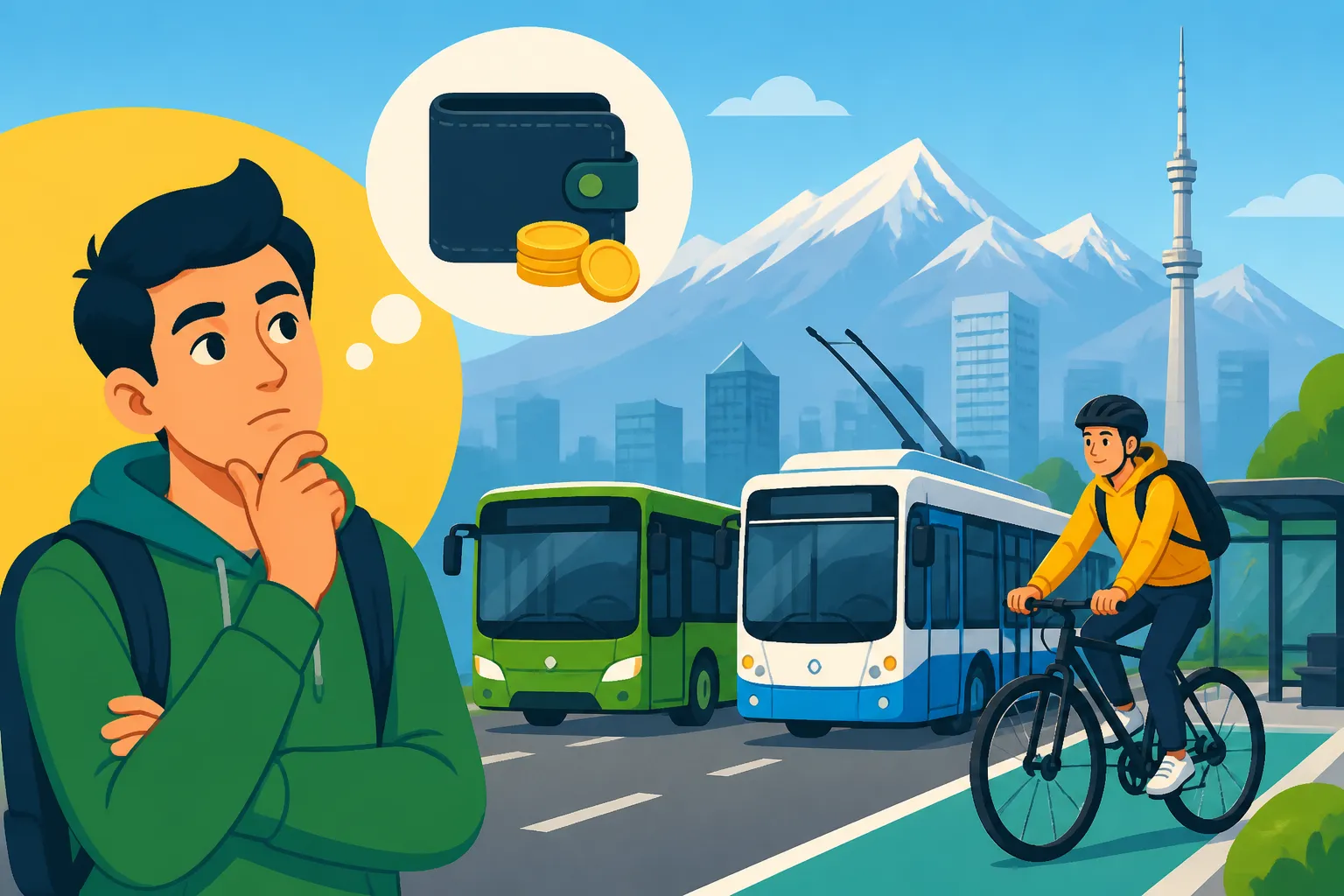
What Is the Cheapest Way to Commute in Almaty?
One of the first things that hits you when you move to Almaty, Kazakhstan, especially if you’re coming from a city with eye-watering transport costs, is just how affordable it can be to get around. But "can be" is the operative phrase. There are definitely ways to blow your budget on taxis, and then there are the truly wallet-friendly options that, once you get the hang of them, will save you a small fortune. This guide is all about helping you navigate Almaty's transport landscape without emptying your bank account, focusing on the cheapest and most efficient ways for expats and tourists to commute and explore.
Embracing Public Transport: Your Wallet's Best Friend in Almaty
Let's be honest, public transport in many cities can feel like a labyrinth, but in Almaty, once you crack the code, it's a game-changer for your budget. Forget paying inflated prices for private cars every day; the local system is surprisingly robust and incredibly cheap.
The Almaty Metro: Fast, Clean, and Unbeatably Cheap
Ah, the Almaty Metro! It's not as extensive as London's Underground or New York's Subway, but what it lacks in breadth, it more than makes up for in efficiency, cleanliness, and sheer affordability. For a flat fare, currently around 100-200 KZT (about $0.20-$0.45 USD), you can travel the entire line. Think about that for a second: a journey from one end of the city to another for less than half a dollar. You simply cannot beat that price anywhere else.
The metro runs along a single line, stretching from Raiymbek Batyr in the north to Bauyrzhan Momyshuly in the southwest. It covers some of the most crucial parts of the city for expats and locals alike. For instance, if you live near the Alatau station – a popular residential area – you can hop on and be right in the city center, near Abay or Republic Square, in a matter of minutes. Many expats working in the financial district often find apartments along this metro line, making their daily commute incredibly smooth and stress-free. The trains are modern, air-conditioned, and usually not overly crowded outside of peak rush hours. Plus, the stations themselves are often works of art, reflecting Kazakh culture and history, adding a little aesthetic pleasure to your daily journey. It’s not just a commute; it’s a quick tour! For more on getting around, check out our guide on How Do I Use the Metro in Almaty?.
Navigating Almaty's Extensive Bus and Trolleybus Network
While the metro is fantastic for its linear route, Almaty's buses and trolleybuses are the true workhorses of the city's public transport, covering virtually every nook and cranny. This is where most of your daily public transport needs will be met. The fare for a bus or trolleybus ride is also incredibly low, mirroring the metro at 100-200 KZT if you use an Onay card. Pay cash, and it's a bit more expensive, often 200-300 KZT, so getting an Onay card is absolutely essential for long-term savings.
The key to mastering the bus system is a good navigation app. Forget trying to decipher handwritten route numbers; apps like 2GIS or Google Maps are your best friends here. They provide real-time bus locations and accurate route planning. For example, if you want to visit the bustling Green Bazaar from a residential area like Dostyk Avenue, a quick search on 2GIS will show you exactly which bus to take, where to catch it, and when it's due. The bus stops are well-marked, and the buses themselves are generally reliable, although traffic in Almaty can sometimes cause delays, especially during peak hours.
One common frustration for newcomers is the sheer volume of routes and the often-crowded nature of popular lines. But think of it as part of the authentic Almaty experience! You’ll quickly learn which routes are best for your regular journeys. Getting to grips with the bus system can feel a bit daunting at first due to the language barrier and the sheer size of the network, but it’s invaluable for exploring the city economically. This network is a huge part of The Expat Guide to Public Transport in Kazakhstan.
Walking and Cycling: The Truly Free Options (with Kazakhstani Flair)
Beyond the structured public transport, Almaty offers some fantastic, completely free ways to get around, especially for shorter distances or when you want to truly soak in the city's atmosphere. These options not only save you money but also offer great health benefits and a chance to experience Almaty at your own pace.
Exploring Almaty on Foot: Beyond the Bills
Almaty is a surprisingly walkable city, especially in its central districts. The downtown area, with its wide, tree-lined boulevards and numerous parks, is a joy to explore on foot. Areas like Panfilov Park, Arbat Street, and the area around Abay Opera House are perfect for leisurely strolls. Many expats living in central apartments find that they can walk to work, to their favorite cafes, to grocery stores, and even to some clinics. This isn't just about saving money; it's about embedding yourself in the local rhythm, discovering hidden gems, and staying active.
However, it's important to be realistic about Almaty's walkability. While the center is pleasant, some residential areas can have patchy sidewalks, and crossing major multi-lane roads can be an adventure in itself. Pedestrian crossings exist, but drivers often prioritize themselves, so always exercise extreme caution. Also, consider the weather extremes: scorching summers and often icy, snowy winters. Proper footwear and attire are essential if you plan to walk extensively throughout the year. But for those crisp spring and autumn days, or simply for short errands, walking is your cheapest and healthiest bet. It’s certainly more enjoyable than being stuck in traffic, and it lets you truly appreciate the city's blend of Soviet-era architecture and modern development.
Cycling in Almaty: A Growing (and Budget-Friendly) Trend
Cycling has been steadily gaining popularity in Almaty, especially with the city's focus on developing bike infrastructure. While it might not be a city like Amsterdam with dedicated bike lanes everywhere, there are significant improvements, particularly along main avenues and leading into the mountains. This makes it an increasingly viable and extremely budget-friendly commuting option.
The city has a public bike-sharing system, Velo-Almaty, which allows you to rent bikes from various stations scattered across the city. You simply register, pay a small subscription fee (daily, weekly, or monthly), and then unlock a bike. Rides under a certain duration (usually 30-45 minutes) are often free after the subscription, making it incredibly economical for short commutes or quick trips between parts of the city center. Imagine cycling along Dostyk Avenue, feeling the breeze, instead of being cooped up in a bus or taxi.
For those who prefer their own wheels, buying a personal bike in Almaty can be a smart investment. There are numerous bike shops, and second-hand options are also available. Safety is, of course, a paramount concern. While drivers are slowly getting used to cyclists, always assume they haven't seen you. Wear a helmet, use lights, and stick to bike paths where available. The beauty of cycling in Almaty is not just for commuting; it opens up incredible opportunities to explore the city's natural surroundings, like the path leading up to Medeu and Shymbulak, or around the picturesque Big Almaty Lake. It's a fantastic way to combine exercise, exploration, and extreme cost savings.
Ride-Sharing and Taxis: When Convenience Meets Cost-Consciousness
Sometimes, public transport just won't cut it. Maybe it's late at night, you're carrying groceries, or you simply need to get somewhere quickly and directly. This is where ride-sharing apps become invaluable. While not as cheap as public transport, they are significantly more affordable than traditional street-hailed taxis and, if used wisely, can still be very budget-friendly.
Using Ride-Hailing Apps Smartly for Cost Savings
In Almaty, the undisputed king of ride-hailing is Yandex Go. It’s ubiquitous, reliable, and generally very affordable. Other options like InDriver also exist, which operates on a bidding system where you propose a price, and drivers accept or counter-offer. For the expat community, Yandex Go is usually the go-to because it's straightforward, transparent with pricing, and integrated with maps.
To use these apps smartly and keep costs down:
- Avoid Peak Hours: Just like anywhere else, surge pricing can occur during rush hour, bad weather, or late at night. If you can, adjust your travel times.
- Choose the Right Class: Yandex Go offers various service levels (Economy, Comfort, Business). Economy is almost always perfectly fine and significantly cheaper.
- Share Rides: If you’re with friends or colleagues heading in the same direction, splitting a Yandex Go ride dramatically reduces the individual cost.
- Consider InDriver for Bargains: While Yandex Go offers fixed prices, InDriver allows you to haggle. This can be great for saving a few hundred Tenge, but it requires a bit more negotiation, and sometimes drivers might cancel if they find a better offer, which can be frustrating.
- Location, Location, Location: The further you are from central hubs, the higher the price might be due to driver availability. If you live somewhere more suburban, factor this into your overall cost of living. This relates to choosing your apartment, as explored in How Much Does It Cost to Rent an Apartment in Almaty in 2026?.
For example, a typical Yandex Go ride across a decent distance in Almaty might cost anywhere from 800-1500 KZT (around $1.80-$3.50 USD). This is an absolute steal compared to many Western cities. It's a fantastic option for when you prioritize speed and comfort without completely breaking the bank.
Taxis and Shared Taxis: The Traditional (But Sometimes Pricier) Route
Traditional street-hailed taxis are still very much a thing in Almaty, though increasingly less common for expats due to the convenience and pricing transparency of apps. If you hail a taxi on the street, be prepared to negotiate the fare before you get in. This can be challenging without good Russian or Kazakh language skills, and you'll often end up paying more than you would via an app. It's usually best to stick to ride-hailing apps to avoid potential overcharging.
"Shared taxis" or marshrutkas (minibuses) used to be a very common form of public transport, often privately owned and following semi-fixed routes. While their prevalence has decreased significantly with the modernization of the main bus network, you might still encounter them on certain inter-city routes or for specific longer-distance commutes outside the city center. These are generally very cheap but also very basic, crowded, and require a good understanding of their routes. For daily commuting within Almaty, the official bus and trolleybus network is now more reliable and standardized.
Practical Tips and Combining Modes for the Ultimate Savings
Living in Almaty on a budget means being strategic about everything, and transport is no exception. It's not just about picking one mode; it's about intelligently combining them and being prepared.
Getting Your Onay Card and Making the Most of It
This is non-negotiable for public transport savings. The Onay card is a contactless payment card for Almaty's buses, trolleybuses, and metro. You can buy one at metro stations, some bus stops, or special kiosks.
How to get one:
- Purchase: Head to any metro station cashier or an Onay service point. The card itself costs a small fee (e.g., 500 KZT).
- Top-Up: You can top up your card at metro stations, through Kaspi.kz terminals (ubiquitous across the city), or via the Kaspi.kz app if you have a local bank account. You can even top up at some RTV kiosks or other payment terminals.
- Use: Simply tap your card on the validator when you board a bus/trolleybus or when entering the metro. Listen for the beep!
- Benefits: Not only does it give you the cheaper fare, but it also makes boarding quicker and eliminates the need to carry small change. It really is an essential for any budget-conscious expat.
Understanding how to efficiently use local payment systems like Kaspi.kz will not only help with your Onay card but also for various other payments, from groceries to utility bills. This leads into understanding broader financial management, like how to open a bank account. Our guide How to Choose the Best Bank for Expats in Kazakhstan offers more insights into managing your money locally.
Smart Commuting Strategies for Expats
Being smart about your commute isn't just about the mode of transport; it’s about your entire lifestyle here.
- Location is Key: When you're looking for an apartment, seriously consider its proximity to your workplace, public transport links (especially the metro), and amenities. Living within walking distance of essential services or a metro station can save you significant money and time. Think about areas like Dostyk, Abay, or further down the metro line if you’re working in the financial district. For families, this also extends to school routes. A relevant read is What Is the Cost of Living vs Salary for Students in Kazakhstan? for those thinking about their overall budget.
- Embrace Multimodal Travel: Don't limit yourself to just one type of transport. Maybe you walk to the nearest bus stop, take the bus to the metro, and then walk the rest of the way to your destination. This combination often proves to be the fastest and most economical.
- Leverage Technology: Beyond 2GIS and Google Maps for navigation, ensure you have a local SIM card with a good data plan. This is crucial for accessing real-time transport information, calling ride-hailing services, and staying connected. Setting up a local phone plan is relatively easy, and providers like Beeline, Kcell, and Tele2 offer competitive packages. If you're new to Kazakhstan and need immediate connectivity, a digital eSIM provider like Airalo can be a lifesaver for data access right after you land, before you get a local SIM. For more details, refer to How Do I Set Up a Mobile Phone Plan in Kazakhstan?.
- Plan Ahead: For any significant journey, especially during peak hours or if you're venturing to an unfamiliar part of town, always check your route and estimated travel time in advance. This helps you avoid unnecessary stress and potentially costly detours.
- Consider Winter Realities: Almaty winters can be harsh. While public transport is heated, walking and cycling become less appealing. Factor in additional costs for Yandex Go during the colder months when you might not want to brave the snow and ice. For general insights into setting up your home, How Do I Set Up Electricity After Moving to Kazakhstan? can be useful, as transport is just one piece of the puzzle.
Here's a quick comparison of average costs for common commuting methods in Almaty:
| Commute Method | Typical Single Ride Cost (KZT) | Typical Single Ride Cost (USD) | Convenience & Speed | Best Use Case |
|---|---|---|---|---|
| Metro (Onay card) | 100-200 KZT | $0.20 – $0.45 | High (fast, clean, reliable) | Linear routes, city center access |
| Bus/Trolleybus (Onay) | 100-200 KZT | $0.20 – $0.45 | Moderate (extensive network) | Widespread city coverage, local errands |
| Bus/Trolleybus (Cash) | 200-300 KZT | $0.45 – $0.65 | Moderate | One-off rides without Onay card |
| Walking | 0 KZT | $0 | Low (limited distance/weather) | Short distances, exploring specific neighborhoods |
| Cycling (Velo-Almaty) | Subscription + 0-200 KZT | Subscription + $0 – $0.45 | Moderate (seasonal, infrastructure) | Short-medium distances, scenic routes, exercise |
| Yandex Go (Economy) | 800-1500 KZT | $1.80 – $3.50 | High (door-to-door, on-demand) | Convenience, late nights, bad weather, group travel |
| InDriver (negotiated) | 700-1300 KZT (varies) | $1.50 – $3.00 (varies) | Moderate (negotiation needed) | Budget-conscious private rides, specific requests |
By combining public transport with walking or cycling, and judiciously using ride-hailing apps for specific situations, you can significantly cut down your monthly commuting expenses. It’s all about becoming savvy with the local systems. And speaking of moving, if you’re still planning your relocation to Kazakhstan, remember that services like Sirelo can assist with comparing moving companies to ensure your entire transition is as smooth and cost-effective as possible, not just your daily commute.
Ultimately, Almaty offers some of the most affordable commuting options you'll find anywhere. With a little bit of planning and an open mind to exploring various modes of transport, you'll be zipping around the city like a local, with more money left in your pocket for all the amazing experiences Kazakhstan has to offer.
Disclaimer
The information provided in this guide is intended for general informational purposes only and does not constitute professional advice. While we strive to keep the information up-to-date and accurate, transport fares, regulations, and services in Kazakhstan can change without prior notice. Expats and tourists are advised to verify current prices and rules with local authorities or service providers.