Where Is the Nearest Clinic to Me in Almaty?
It’s a familiar, sinking feeling for any expat: you’re in a new country, maybe Almaty, and suddenly you or a family member isn’t feeling well. Your head starts to spin with questions beyond just your symptoms: "Where in the world do I even go? Is there a clinic nearby that speaks English? What about my insurance?" Navigating the healthcare system here, especially when you’re not at your best, can feel like an impossible maze. This comprehensive guide is here to demystify the process, helping you pinpoint the right clinic for your needs in Almaty and understand exactly what to do when you need medical attention.
Understanding Almaty's Healthcare Landscape for Clinic Access
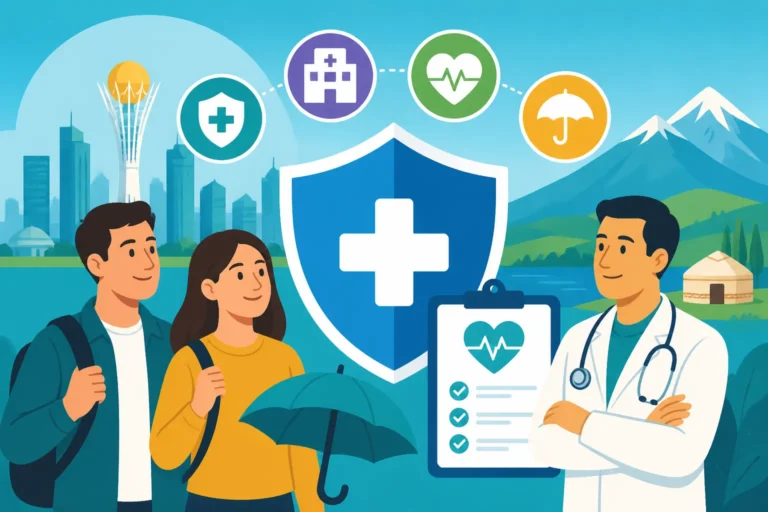
When you're trying to figure out where the nearest clinic is in Almaty, it's not as simple as just typing "clinic near me" into a search engine and expecting immediate, expat-friendly results. Kazakhstan's healthcare system has its own nuances, particularly for foreigners. You're primarily looking at two main types of facilities: public polyclinics and private clinics. Each has its own access routes, benefits, and challenges, and understanding them is the first step to finding your "nearest" and most appropriate medical help.
Public Polyclinics Versus Private Clinics
Let's break down the two main options you'll encounter.
Public Polycliniks: Your Local, Government-Assigned Hub
Think of a public polyclinic (or poliklinika in Russian) as your assigned neighborhood health center. If you're officially registered for Kazakhstan's Compulsory Social Health Insurance (OSMS), this is likely your primary point of contact for most non-emergency medical needs. Every resident, including expats who contribute to OSMS, is typically attached to a specific polyclinic based on their registered address. This is why knowing "where is the nearest clinic to me" means knowing which polyclinic you are assigned to. It’s not necessarily the physically closest building, but rather the one designated for your residential district.
These polyclinics offer a wide range of services, including general practitioner visits, basic diagnostics, specialist referrals, and vaccinations. The primary benefit, of course, is that most services are covered under OSMS, making them very affordable for registered individuals. However, the drawbacks for expats can be significant. Language can be a major barrier, as English-speaking staff are rare. Waiting times for appointments, especially for specialists, can be long. The infrastructure might not always feel as modern as private facilities, and the administrative processes can be quite bureaucratic. Finding out How to Choose and Register with a Clinic (Poliklinika) in Kazakhstan is a critical first step if you plan to use this system.
Private Clinics: The Expat-Friendly Alternative
For many expats, private clinics offer a more comfortable and familiar healthcare experience. These facilities operate independently of the OSMS system, meaning you'll pay out-of-pocket or use private health insurance. In Almaty, you'll find numerous private clinics, many of which cater specifically to international clients by offering English-speaking doctors and staff, modern equipment, and a more streamlined appointment process. Some prominent private clinic networks that expats often use include Interteach, Mediker, and Sunkar.
The major advantages here are clear: better accessibility, often shorter wait times, and significantly reduced language barriers. You'll also likely find a higher standard of comfort and service. The downside? Cost. Even a basic consultation can be pricier than you might expect, especially if you don't have adequate private health insurance. This is where options like international medical insurance from providers like SafetyWing can be a real lifesaver, especially for new arrivals who might not yet be fully integrated into the local OSMS system or need more comprehensive coverage for unexpected issues. You might want to consider How Much Does a Doctor Visit Cost in Kazakhstan? when planning your budget.
Essential Steps to Locate Your Nearest Clinic in Almaty
Okay, so you're in Almaty and you need a doctor. Let's walk through the practical steps to find that elusive "nearest clinic," depending on your situation.
For Those Registered with OSMS: Your Assigned Polyclinic
If you're already contributing to the OSMS system and have registered with a specific polyclinic, then your "nearest clinic" is, by definition, that polyclinic. It might not be the building next door, but it’s the one designated to serve you.
- Check Your Registration: The easiest way to confirm your assigned polyclinic is through the eGov.kz portal or app, or by contacting your employer's HR department if they handled your OSMS registration. Your Individual Identification Number (IIN) is key here.
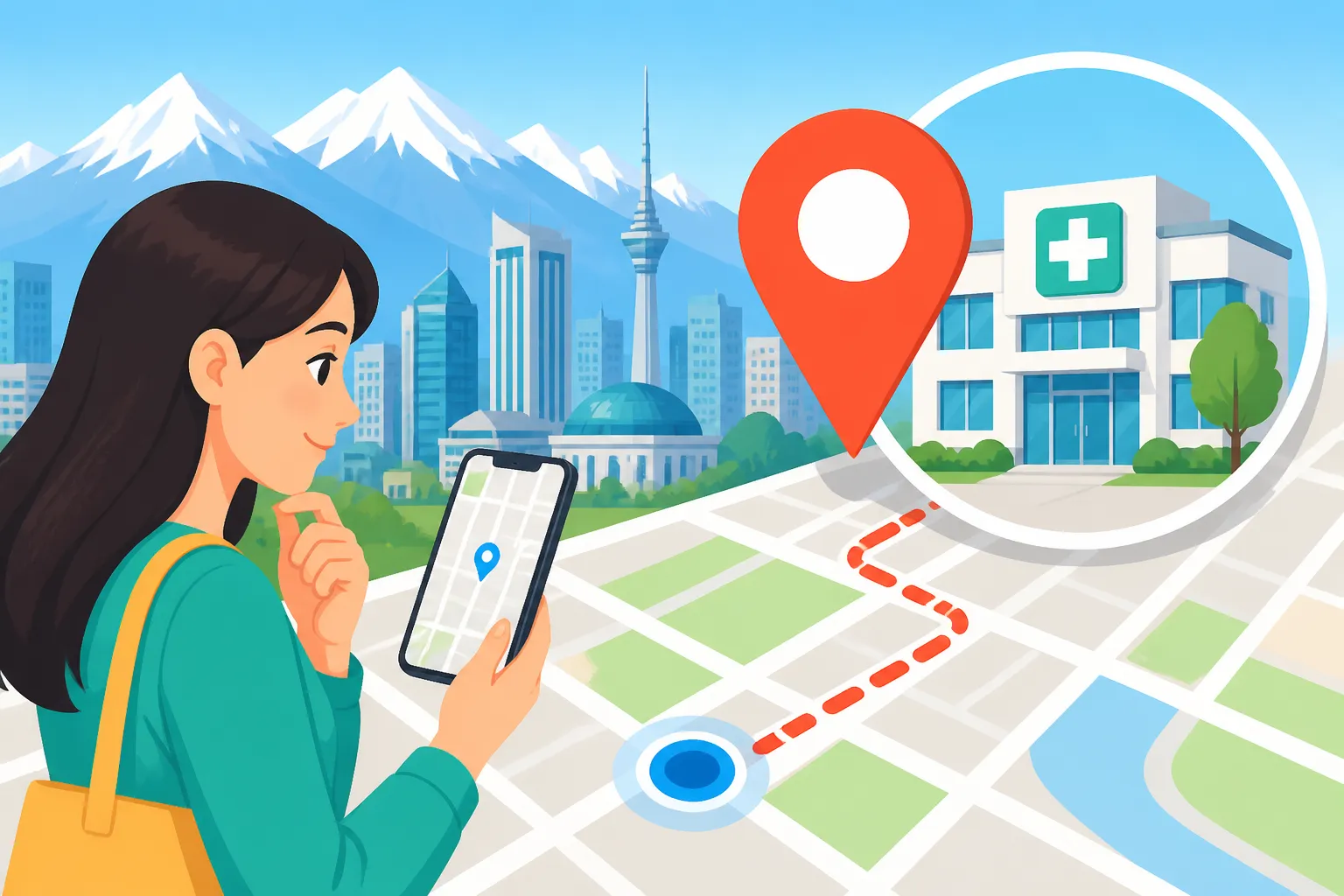
- Locate Your Polyclinic: Once you know the number or name of your polyclinic (e.g., City Polyclinic No. 5), use online maps (like Google Maps, 2GIS, or Yandex Maps) to find its physical location. Type in "Поликлиника (Poliklinika) [Number]" or the full name. These apps are generally very accurate in Almaty.
- Making an Appointment: You'll typically need to call your polyclinic directly to schedule an appointment. Be prepared for a language barrier here. If you don't speak Russian or Kazakh, it's highly advisable to ask a local friend or colleague to help you call. When you arrive, make sure to have your passport and IIN with you. Understanding What Documents Do I Need to See a Doctor in Kazakhstan? can save you a lot of hassle.
It's important to remember that for serious illnesses or anything requiring a specialist, your journey starts at your assigned polyclinic, where a general practitioner will provide the initial consultation and, if necessary, issue a referral. This is part of How Specialist and Hospital Referrals Work in Kazakhstan.
For New Arrivals or Those with Private Insurance: Finding a Private Option
If you're new to Almaty, haven't yet secured OSMS coverage, or prefer the services of private clinics due to language or quality concerns, then your "nearest clinic" is more about accessibility and what fits your immediate needs. This is where you can be more flexible in your search.
- Leverage Online Maps and Apps: Use Google Maps, 2GIS, or Yandex Maps. Instead of "poliklinika," search for "clinic," "medical center," or specific specialties like "dentist Almaty" or "dermatologist Almaty." These apps will show you private facilities, often with contact numbers, addresses, and sometimes even reviews.
- Ask Your Network: Expats are an invaluable resource. Ask friends, colleagues, or expat groups on social media (like Almaty Expats on Facebook) for recommendations for English-speaking doctors or specific clinics. Personal experience often trumps online searches for something as sensitive as healthcare.
- Check with Your Insurance Provider: If you have international private health insurance, like from SafetyWing, check their network of preferred providers in Almaty. They often have partnerships with clinics that meet certain standards and offer direct billing, which can simplify the payment process considerably. They can guide you to a clinic within their network, effectively telling you where your "nearest in-network clinic" is.
- Consider Urgent Care Centers: Some private clinics offer urgent care services for non-life-threatening but immediate issues that can't wait for a regular appointment. Search for "urgent care Almaty" or "скорая помощь" (skoraya pomoshch) in map apps, although the latter usually refers to emergency ambulances.
- Language Services: Many private clinics specifically advertise English-speaking doctors. Don't hesitate to call ahead and confirm. It's perfectly acceptable to ask if they have staff who can communicate in English to facilitate your visit.
Table: Public vs. Private Clinic Access in Almaty
Here's a quick overview to help you decide which route to take when searching for a clinic:
| Feature | Public Polyclinic (OSMS) | Private Clinic |
|---|---|---|
| Assignment | Assigned based on registered address/IIN | Choose freely based on location, services, reviews |
| Cost | Primarily covered by OSMS contributions (very low out-of-pocket) | Out-of-pocket payment or private health insurance |
| Language Barrier | High (mostly Russian/Kazakh) | Low (many offer English-speaking doctors/staff) |
| Appointment Wait Times | Can be long, especially for specialists | Generally shorter, often same-day or next-day appointments |
| Facilities/Equipment | Varies, can be older infrastructure | Generally modern, well-maintained facilities and equipment |
| Ease of Access | Requires initial OSMS registration & attachment | Walk-in or easy appointment booking, no prior registration needed |
| Recommended For | Routine check-ups, chronic condition management (if fluent or with local help), vaccinations | Urgent but non-emergency issues, specialist consultations, expat families, those with private insurance like SafetyWing |
Navigating Specific Situations and Local Tips
Finding a clinic is one thing, but actually using it in Almaty as an expat comes with its own set of challenges and helpful tips.
What if You Have a Medical Emergency?
It's crucial to distinguish between needing a clinic for a non-emergency issue and facing a genuine medical emergency. If you're experiencing a life-threatening situation (e.g., severe injury, chest pain, stroke symptoms), your focus shifts from finding the "nearest clinic" to immediate emergency medical care. In Kazakhstan, the emergency number for an ambulance is 103, or you can use the unified emergency number 112. Don't hesitate to call these numbers for critical situations. For less severe but urgent situations, a private clinic with urgent care services might be appropriate. Knowing Emergency Medical Care in Kazakhstan: What Every Expat Needs to Know is vital for everyone.
The Importance of Your IIN
Your Individual Identification Number (IIN) is the linchpin for almost all administrative processes in Kazakhstan, and healthcare is no exception. You'll need it to register for OSMS, to be assigned to a polyclinic, and often even for private clinic visits. If you're a new expat, securing your IIN should be one of your top priorities. Without it, accessing formal healthcare services, particularly public ones, becomes incredibly difficult. Learn How to Get an IIN (Individual Identification Number) in Kazakhstan as soon as you arrive.
Payment and Insurance Considerations
When you finally arrive at your chosen clinic, whether public or private, be prepared for the payment process.
OSMS Coverage
If you're at your assigned public polyclinic and covered by OSMS, most consultations and basic treatments should be covered. However, always clarify if there are any co-payments for specific procedures or medications. Sometimes, certain advanced diagnostics or treatments might require an out-of-pocket payment, even with OSMS. This is part of Understanding Out-of-Pocket Healthcare Costs and Co-Payments in Kazakhstan.
Private Insurance and Out-of-Pocket
For private clinics, payment is typically expected at the time of service. It's a good idea to confirm the consultation fee when you book your appointment. If you have private health insurance, like a comprehensive plan from SafetyWing, make sure you understand their claim process. Some clinics may offer direct billing to major international insurance providers, while others will require you to pay upfront and then submit a claim for reimbursement. Always keep all receipts, medical reports, and invoices. Understanding How to Claim Reimbursement from Private Insurance in Kazakhstan is key to managing your finances.
Language Barrier Mitigation
Even in private clinics that boast English-speaking staff, you might encounter situations where medical terminology or complex explanations get lost in translation. Here are a few strategies:
- Bring a Translator: If possible, bring a Kazakhstani friend, colleague, or even a professional translator to your appointment, especially for initial visits or complex issues.
- Use Translation Apps: While not perfect, apps like Google Translate can be helpful for quick phrases or understanding basic instructions.
- Write Down Questions: Prepare your questions in advance and, if possible, have them translated into Russian or Kazakh to ensure clarity.
- Be Patient and Clear: Speak slowly and clearly, and don't be afraid to ask for clarification if you don't understand something.
Leveraging Digital Tools and Expat Networks
In our modern age, technology and community support are indispensable for navigating healthcare in a foreign land. Almaty is no exception, and there are resources that can significantly ease your search for the "nearest clinic."
Digital Maps and Navigation Apps
While I've mentioned them before, it's worth emphasizing the critical role of apps like Google Maps, 2GIS, and Yandex Maps. These aren't just for directions; they're powerful tools for discovery.
- Specificity in Search: Instead of just "clinic," try "dental clinic," "pediatrician," "gynecologist," or "traumatology center" to narrow down your options to the type of care you need.
- Reviews and Ratings: Pay attention to user reviews and ratings. While some might be in Russian or Kazakh, you can often translate them using the app's built-in features or a separate translation tool. Look for comments from other expats or mentions of English-speaking staff.
- Contact Information and Hours: These apps reliably provide phone numbers, physical addresses, and operating hours, which are crucial for planning your visit. Some may even have photos of the clinic's exterior, helping you recognize it when you arrive.
- Public Transport Routes: 2GIS, in particular, is excellent for public transport information in Almaty, helping you figure out the best bus or metro route to your chosen clinic. This is especially useful if you don't have your own car.
Expat Online Forums and Social Media Groups
The expat community in Almaty is vibrant and incredibly supportive. Before you even need a clinic, consider joining local expat groups on platforms like Facebook. Search for "Almaty Expats" or similar groups.
- Recommendations: These groups are goldmines for recommendations. Ask for specific clinic suggestions, names of English-speaking doctors, or experiences with particular facilities. Other expats have been exactly where you are and can offer firsthand advice.
- Urgent Questions: For non-emergency but time-sensitive questions, posting in these groups can yield quick responses. Someone might even be able to help you make a phone call if you're struggling with the language.
- Shared Experiences: Reading about others' experiences can prepare you for what to expect, whether it's regarding wait times, specific doctors, or the overall process at certain clinics. This kind of shared knowledge is invaluable, much like understanding Navigating the Kazakhstani Healthcare System: An Expat's Roadmap (2027).
Employer Resources
If you're working for an international company or a larger local employer, your HR department can be a significant resource.
- Company Doctors/Clinics: Some companies have designated clinics or doctors that they work with, or even in-house medical staff.
- Insurance Guidance: They can guide you on your OSMS registration and help clarify what your company-provided private health insurance (if any) covers and which clinics are in-network. This is where a robust plan, possibly supplementing something like SafetyWing for broader travel or emergency needs, can make a huge difference.
- Administrative Support: For initial registration with a polyclinic or understanding bureaucratic steps, your HR team might offer direct assistance or connect you with someone who can translate or guide you through the process.
Finding your "nearest clinic" in Almaty isn't just about geographical proximity; it's about finding the right clinic that meets your healthcare needs, language requirements, and insurance situation. By understanding the system, leveraging digital tools, and tapping into the expat community, you can confidently navigate the medical landscape and ensure you get the care you need when you need it most.
Disclaimer
This article is for general informational purposes only and does not constitute professional advice. Laws, prices and regulations vary by location and change over time. Consult a qualified professional for guidance on your specific situation.