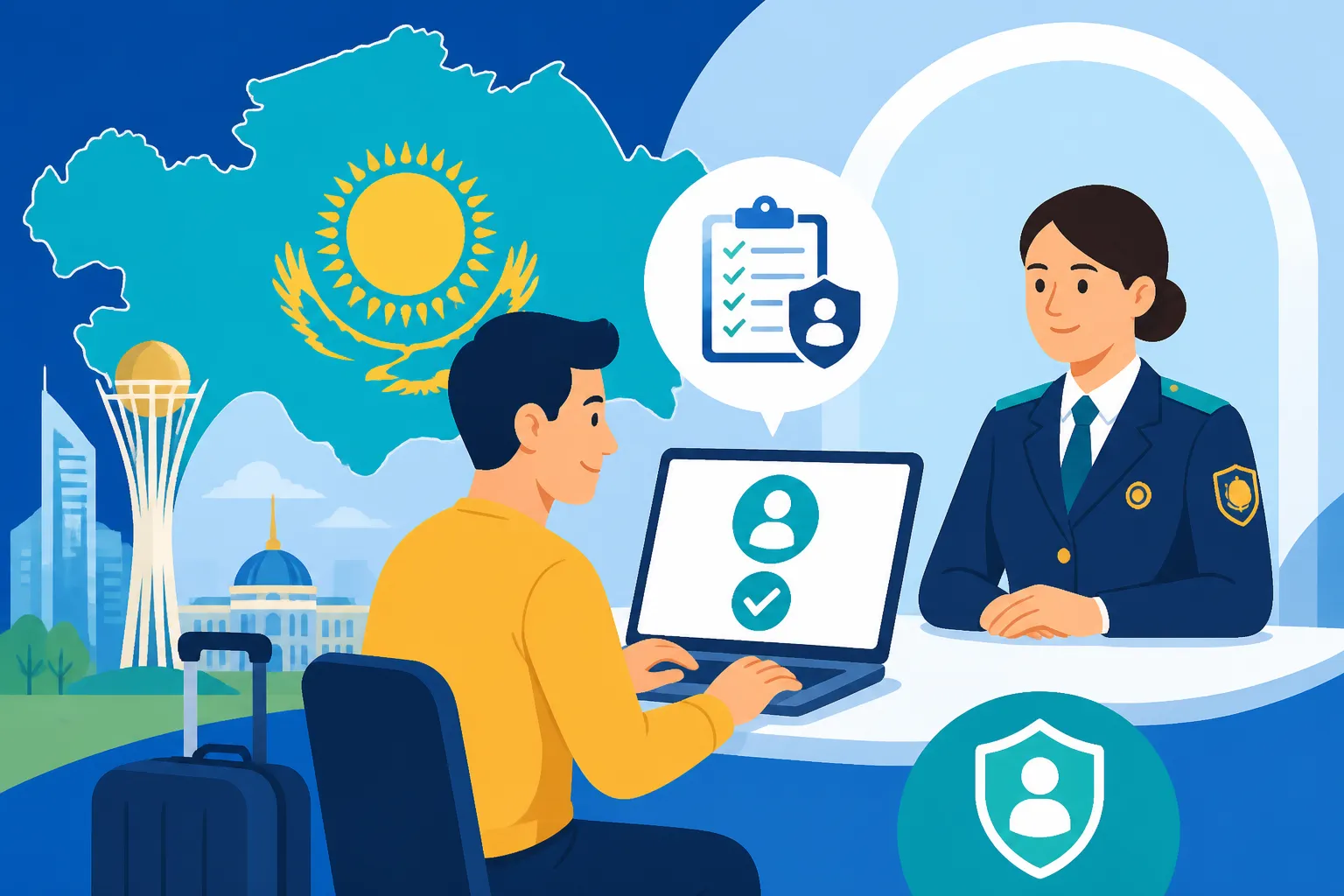
How to Register Your Arrival with the Migration Service in Kazakhstan
Oh, the sheer joy (and slight terror, let’s be honest) of arriving in a new country! You’ve finally made it to Kazakhstan, the land of boundless steppes and welcoming smiles, but before you can truly settle in and enjoy that first beshbarmak, there’s a little administrative hurdle that often catches expats off guard: registering your arrival. This isn’t just a friendly suggestion; it’s a non-negotiable legal requirement that, if missed, can lead to a world of stress you absolutely don’t need. This guide is here to walk you through every step of registering your arrival with the Migration Service, from understanding why it matters to navigating the online systems and dodging common pitfalls, so you can enjoy your new life here with peace of mind.
Understanding the Crucial First Step: Why Arrival Registration Matters
When you first step off that plane in Almaty or Astana, all you want to do is drop your bags, grab some local food, and maybe marvel at the architecture. But for us expats, there’s a critical piece of paperwork lurking that many are completely unaware of until it’s too late. That’s the arrival registration with the Migration Service. Trust me, overlooking this small but mighty detail can turn your smooth transition into a bureaucratic nightmare. It’s a core component of Understanding the Role of the Migration Service in Kazakhstan and your journey as an expat here.
The Legal Obligation and Its Ramifications
Let's cut right to it: registering your arrival isn't optional, it's the law. Kazakhstan, like many countries, requires foreign nationals to inform the authorities of their presence and residential address. The specific legal framework comes under the Law "On Migration of Population" and various government resolutions. For most nationalities, if you're staying longer than the visa-free period (which for many Western countries is 30 days, but always double-check your specific passport's rules), or if you're entering on any type of visa, you absolutely must be registered.
What happens if you don't? Well, the consequences aren’t pretty. Failure to register within the stipulated timeframe (typically three working days for those entering with a visa, though tourist visas for some countries benefit from automatic registration via hotels) can lead to hefty fines. We’re talking about administrative penalties that start around 10-15 Monthly Calculation Indexes (MCI), which translates to a significant sum in tenge. But it's not just about the money. Repeated violations, or even a single severe one, can lead to deportation, a ban from re-entering Kazakhstan for a period, and serious complications for any future visa or residence permit applications. Imagine you’ve secured a fantastic job, sorted your accommodation, and then a small oversight like this threatens to unravel it all. It’s a chilling thought, and unfortunately, many expats have been caught in this exact predicament.
Who Needs to Register and When?
This is where it can get a little confusing because it depends on your nationality, type of entry, and intended length of stay. Let’s break it down:
- Visa-Free Entries (under 30 days): For citizens of many countries (e.g., EU, USA, Canada, Australia, UAE), you can enter Kazakhstan visa-free for up to 30 calendar days. If you are staying in a hotel, they are generally responsible for registering you automatically through the eQonaq system, which is fantastic. However, if you are staying in a private apartment or with friends, you must ensure your host registers you. This is crucial even for short stays.
- Visa Holders (any length): If you entered Kazakhstan with any type of visa – be it a work visa, business visa, student visa, or even a long-term tourist visa – you (or rather, your inviting party) are legally obligated to register your arrival within three working days of crossing the border. This is a hard and fast rule, and it often catches people out.
- Different Nationalities: Some nationalities have different rules, for instance, citizens of CIS countries might have longer grace periods (e.g., up to 30 days) before registration is required, but it's always best to verify your specific situation.
The “when” is particularly important: three working days. Not three full days, but three working days. If you arrive on a Friday, Saturday and Sunday don't count, so you theoretically have until Wednesday evening. But honestly, why stress? Get it done as soon as humanly possible. Your inviting party – be it your employer, the educational institution, or your landlord – is legally responsible for facilitating this registration. It’s not your burden to physically go to the Migration Service (unless your inviting party fails to do so and you need to take matters into your own hands), but it is your responsibility to ensure it happens.
Navigating the Registration Methods: Old School vs. Online
In the good old days (or maybe not so good, depending on your view), arrival registration involved a physical visit to the Migration Police, filling out forms, and getting stamps. While that option still exists in some limited circumstances, Kazakhstan has made significant strides in digitalizing this process, thankfully. This shift has definitely eased a lot of the initial stress for new arrivals.
The Traditional Method: Via Hotels, Landlords, or Migration Police
Let’s be real, the traditional method can be a bit of a trek. But it's important to understand it, especially if you find yourself in a situation where the digital option isn't available.
- Hotels: When you stay at a registered hotel, they will almost always handle your arrival registration automatically using the eQonaq system. This is by far the easiest way for short-term visitors. They take your passport details, input them into the system, and you’re good to go. You often won't even realize it's happened. This is usually sufficient for visa-free stays up to 30 days.
- Landlords: If you’re renting a private apartment, your landlord is legally obliged to register your arrival. In an ideal world, they'd simply log into their eGov account, input your details, and it's done. However, this is where many expats encounter issues. Some landlords are genuinely unaware of this responsibility, or they simply don't want the hassle, especially if they're renting informally. This can leave you in a sticky situation, frantically trying to figure out how to comply. It's vital to clarify this aspect of your How to Sign a Rental Contract and Pay a Deposit in Kazakhstan before you sign anything.
- Migration Police Office (Migration Service): This is the last resort. If your hotel didn't register you (for example, if you moved from a hotel to a private apartment, or you're staying somewhere unregistered) or your landlord is uncooperative, you might find yourself needing to visit a local Migration Service office (often within the Public Service Center, or ЦОН/PSC). This involves bringing your passport, a copy of your visa (if applicable), and possibly your landlord’s documents. Be prepared for queues, potential language barriers, and a process that feels decidedly old-school. They might give you a small white slip or stamp your migration card (the paper slip you received upon entry), confirming your registration. This physical stamp or slip is your proof, so guard it with your life!
The Digital Way: eQonaq and the eGov Portal (The Preferred Method)
Thankfully, Kazakhstan has embraced digital solutions, making life much easier for foreigners and their hosts.
- eQonaq System: This system is primarily designed for hotels and other tourist accommodations to register foreign guests automatically. It’s usually seamless for short-term visitors. If you're here on a regular tourist visa or a short visa-free stay and only using hotels, you probably won't need to do anything else.
- eGov Portal (The Expat’s Best Friend): For those staying longer, on work, study, or family visas, the eGov portal is where the magic happens. Your inviting party – typically your employer, university, or landlord – can register your arrival here. They will need to log in using their Electronic Digital Signature (EDS) and then navigate to the relevant service. The service is usually called "Temporary registration of foreigners" or something similar. They will input your passport details, visa information (if applicable), and your Kazakhstani address. Once submitted, the system provides a digital confirmation. This is your official proof of registration, and it's absolutely crucial to have a copy of this. Remember, having an [How to Get an IIN (Individual Identification Number) in Kazakhstan) is essential for virtually all administrative processes in Kazakhstan, and often for the inviting party to register you.
The great thing about eGov is that it’s available 24/7, reducing the need for face-to-face interactions and saving valuable time. However, it’s still reliant on your inviting party taking action, and sometimes the system itself can have its quirks (more on that later!).
Step-by-Step Guide to Online Arrival Registration
Alright, let's dive into the nitty-gritty of getting that online registration sorted. This is the most common and often the least painful route for most expats once you have the right pieces in place.
Getting Your IIN and Electronic Digital Signature EDS
Before anyone can even think about registering you online, you need two fundamental things: an Individual Identification Number (IIN) and, ideally, an Electronic Digital Signature (EDS). Think of your IIN as your Kazakhstani social security number or tax ID, and your EDS as your digital fingerprint – it proves who you are online. You can't really do anything digitally without them. You can learn more about Understanding the IIN and Why You Need One in Kazakhstan.
- Obtaining Your IIN: This is your absolute first priority upon arrival. You get your IIN at any Public Service Centre (ЦОН/PSC). You'll need your valid passport (and usually a copy of your passport's main page and the entry stamp page). The process is generally straightforward: take a ticket for foreign citizens, wait your turn, present your documents, fill out a simple form, and in about 15-20 minutes, you'll have your IIN printed on a small piece of paper. Keep this paper safe! You’ll need the IIN for everything from opening a bank account to How to Register with the State Revenue Committee in Kazakhstan.
- Obtaining Your EDS: While your landlord or employer will use their EDS to register you, it's highly advisable for you to get your own EDS as soon as possible. Why? It empowers you to access many eGov services yourself later, like checking your tax status or renewing permits. You can apply for an EDS at a PSC simultaneously when you get your IIN, or later via the eGov website if you have a Kazakhstani phone number. For the latter, you register on eGov, then follow the steps to download an application to create the EDS keys. It involves creating a secure password and saving two files (usually
.p12files) to a USB drive. Make sure you back these up safely, as they are your digital identity!
Using the eGov Portal for Registration
Once your IIN is sorted and your inviting party (employer, university, or landlord) has their EDS ready, they can proceed with your registration.
- Logging In: Your inviting party logs into their personal eGov account using their EDS keys and password. The eGov website is
egov.kz. - Finding the Service: They will navigate to the services section. The specific service to look for is typically listed under "Citizenship, Migration and Immigration" and is called "Temporary registration of foreigners and stateless persons". Sometimes, you can simply use the search bar on eGov and type in "регистрация иностранцев" (registration of foreigners).
- Filling Out the Application: They will fill in a digital application form, which will require:
- Your full name as it appears in your passport.
- Your nationality.
- Your passport number, issue date, and expiry date.
- Your IIN.
- Details of your visa (if applicable): type, number, issue date, expiry date.
- Your date of entry into Kazakhstan (from your passport stamp).
- The address where you will be residing in Kazakhstan.
- The period of your stay (e.g., from entry date to visa expiry date, or 90 days for visa-free entries).
- Their details as the inviting party (name, IIN, contact information).
- Submitting and Confirming: After filling out all the required fields, they will sign the application digitally using their EDS. The system should then generate a digital receipt or confirmation document. This document, often called an "уведомление о регистрации" (notification of registration), is your proof. It will typically state your details, the registered address, and the validity period of your registration. Always ensure you get a digital copy of this document! Print it out, save it to your phone, email it to yourself – multiple copies. You might need to show this if stopped by authorities or for other administrative tasks.
What to Do If You Can't Register Online
Life in Kazakhstan, while increasingly digital, can still throw a few curveballs. What if the eGov system is down, or your landlord isn’t tech-savvy, or your employer is dragging their feet?
- Employer Assistance: If you’re here for work, your employer’s HR or legal department should handle this. They have experience with the system and are usually quite efficient. Don't be shy about reminding them of the deadline.
- Property Owner’s Responsibility: Remind your landlord of their legal obligation. If they’re genuinely willing but struggle with eGov, perhaps offer to go to a PSC with them. They can then perform the registration using a public computer and get assistance if needed.
- Migration Police (PSC): As mentioned, this is your last resort. If all else fails and you're approaching your deadline, head to the Migration Service office (often located within a PSC). Bring your passport, visa (if any), IIN, and ideally, your rental agreement or a letter from your host/employer confirming your address. Be polite, patient, and prepared for a potentially longer process. Having a local friend or colleague with you who speaks Russian or Kazakh will be invaluable here.
Common Pitfalls, Challenges, and Expat Solutions
Even with the digital advancements, expats often hit snags. It’s not always a smooth ride, and knowing what to expect can save you a lot of grief.
Uncooperative Landlords and Private Rentals
This is probably the most frequent and frustrating issue for many new arrivals. You've found a fantastic apartment, but your landlord either doesn't know about the registration requirement, claims it's your responsibility, or just flat-out refuses to do it. This happened to a friend of mine, who was left scrambling a day before the deadline because her landlord went radio silent.
Solutions:
- Clarify Upfront: Always, always, always discuss arrival registration with potential landlords before signing a rental agreement. Make it clear that they, as the inviting party, are legally responsible for this. Add a clause to your How to Sign a Rental Contract and Pay a Deposit in Kazakhstan stating this responsibility.
- Educate Your Landlord: Many landlords genuinely don't know. Politely explain the law (Law "On Migration of Population", Article 517 of the Code of Administrative Offenses for fines). Show them the eGov service. Sometimes, a little education goes a long way.
- Seek Employer/University Help: If you're employed or studying, and your landlord is being difficult, see if your employer or university can act as the inviting party and register your address with the Migration Service on your behalf. They might be able to do this, especially if they sponsored your visa.
- Legal Assistance: In extreme cases, if you face an uncooperative landlord putting you at legal risk, consider seeking legal advice. Some expat communities also have resources or recommendations for lawyers familiar with migration law.
- Temporary Solution: As a last resort, if you have no other options and the deadline is looming, you might consider booking a single night at a registered hotel. The hotel will register your arrival, giving you temporary compliance, and buying you a little more time to sort out your long-term registration with your landlord or employer. This isn't ideal, but it's a way to avoid a penalty.
Dealing with Technical Glitches and Language Barriers
The eGov portal is a fantastic resource, but like any large digital system, it can have its moments. Error messages, slow loading times, browser compatibility issues, or even maintenance periods can cause headaches. And then there's the language barrier – while eGov has English options, some specific services or interactions at a PSC might still require knowledge of Russian or Kazakh.
Solutions:
- Browser Compatibility: eGov often works best with specific browsers, sometimes even Internet Explorer (yes, really!) or older versions of Chrome/Firefox. Try different browsers if you encounter issues.
- Timing is Key: Avoid trying to do crucial tasks like registration late at night or during peak hours. Sometimes, the system is simply less congested at other times.
- Local Assistance: If you're struggling with the language, whether on eGov or at a PSC, having a local friend, colleague, or even a professional assistant is invaluable. Don't be afraid to ask for help. Many local youth are proficient in English and are often happy to assist.
- Professional Services: If you're really stuck, especially for a work or long-term residence permit, consider hiring a local migration consultant or legal firm. They specialize in navigating these administrative waters and can ensure everything is done correctly.
Keeping Records and What to Do When Moving
Once you've successfully registered, the journey isn't over. Proper record-keeping and understanding re-registration rules are crucial.
- Keep Everything: I cannot stress this enough. Keep digital and physical copies of your IIN certificate, your EDS keys (securely!), your visa (if applicable), and most importantly, your arrival registration confirmation from eGov or the physical migration card. You'll need these for everything – banking, jobs, healthcare, and future immigration steps. You might also need them for Understanding Document and Translation Requirements for Kazakhstan Immigration.
- Re-registration for Address Changes: If you move to a new apartment or house within Kazakhstan, you or your inviting party must re-register your arrival at your new address. This is another common mistake expats make. You technically have to go through the same process again, informing the Migration Service of your new place of residence. Failure to do so can lead to penalties, similar to not registering in the first place. Think of it as updating your local address with the authorities. This is covered in more detail in How to Register Your Address After Moving to Kazakhstan.
Beyond Initial Arrival: Further Registration Needs and Planning Ahead
Getting your initial arrival registration sorted is a huge sigh of relief, but it’s just the beginning of your administrative journey in Kazakhstan. For long-term expats, there are further registration needs that tie into your overall immigration status.
Extending Your Stay and Residence Permit Implications
Your arrival registration is directly linked to the legality of your stay. If your visa or visa-free period is nearing its end, and you plan to stay longer, you'll need to apply for an extension or a different type of permit.
- Seamless Transition: If your initial arrival registration was done correctly and on time, it makes the process of extending your stay or applying for a residence permit much smoother. The Migration Service will see that you've been compliant from day one, which builds trust.
- Work and Study Permits: For those on work or student visas, your arrival registration is a prerequisite for subsequent steps, such as getting your full How to Apply for a Work Visa and Work Permit in Kazakhstan or student residence permit. These longer-term permits essentially override the initial arrival registration but confirm your legal status. They often come with their own registration requirements upon issuance.
- Dependent Family Members: If you're bringing your family, remember that each dependent, including spouses and children, also needs to be registered upon arrival. Their documents will be linked to yours, and proper initial registration simplifies the process for their Understanding Kazakhstani Residence Permits: Work, Study and Investment. You’ll find that maintaining your legal status is a recurring theme when living abroad. If you need to How to Renew Your Residence Permit in Kazakhstan, that initial registration will be part of the documentation.
Departure and De-registration
What happens when it’s time to say goodbye to Kazakhstan?
- Short Stays: For short-term visitors or those on visa-free stays, there's usually no formal "de-registration" process when you leave the country. The system automatically records your departure when you exit Kazakhstan.
- Long-Term Residents: For those who have been living here for an extended period with residence permits, especially those leaving their jobs, your employer might handle a formal de-registration or notification of your departure to the Migration Service. It's good practice to ensure this is done. While not always strictly enforced for individuals, it ensures a clean record, which is beneficial if you ever plan to return to Kazakhstan in the future.
- Moving Your Life: When the time comes to pack up and leave, having all your documentation in order, right from your initial arrival registration to your final exit stamp, is essential. For many expats, this involves coordinating with international movers. Companies like Sirelo can help you find reliable international moving services, ensuring your belongings are handled with as much care as your paperwork. Proper planning from arrival to departure makes the entire expat journey far less stressful.
Essential Documents and Information to Always Have Ready
To make your life easier and ensure you’re always prepared, here’s a quick rundown of what you should keep handy at all times, digitally and physically.
| Document Type | Details & Purpose |
|---|---|
| Passport | Original and multiple photocopies of the main bio-data page and your Kazakhstani entry stamp. |
| Kazakhstani Visa | Original visa (if applicable) and several copies. |
| IIN Certificate | The paper slip with your Individual Identification Number. This is your key to everything. |
| Arrival Registration | The digital confirmation document from eGov, or a stamped migration card/white slip. Crucial proof of legal stay. |
| Rental Agreement | Your housing contract. Proves your address and can serve as backup for landlord responsibility. |
| Employer/University Letter | If applicable, a letter confirming your employment or enrollment and address. Acts as supplementary proof of your purpose of stay and address. |
| Electronic Digital Signature (EDS) | The files (usually .p12) stored securely on a USB drive and backed up. Essential for accessing eGov services yourself. |
| Contact Information | Phone numbers and emails for your landlord, employer/university HR, and any local legal or administrative contacts. |
Having these documents not only helps with migration issues but also with accessing other services like healthcare. Knowing you have your paperwork in order, along with reliable health insurance like Cigna Global, can provide immense peace of mind during your expat journey. It’s all part of building a secure and comfortable life abroad.
Disclaimer
Please remember that immigration laws and procedures in Kazakhstan can change without prior notice. While I strive to provide the most accurate and up-to-date information based on current regulations and common expat experiences, this guide is for informational purposes only and does not constitute legal advice. Always consult with the official Migration Service of Kazakhstan, a legal professional specializing in Kazakhstani migration law, or your embassy/consulate for the most current and personalized guidance regarding your specific situation.