Can I Get Residence Without a Job Offer in Kazakhstan?
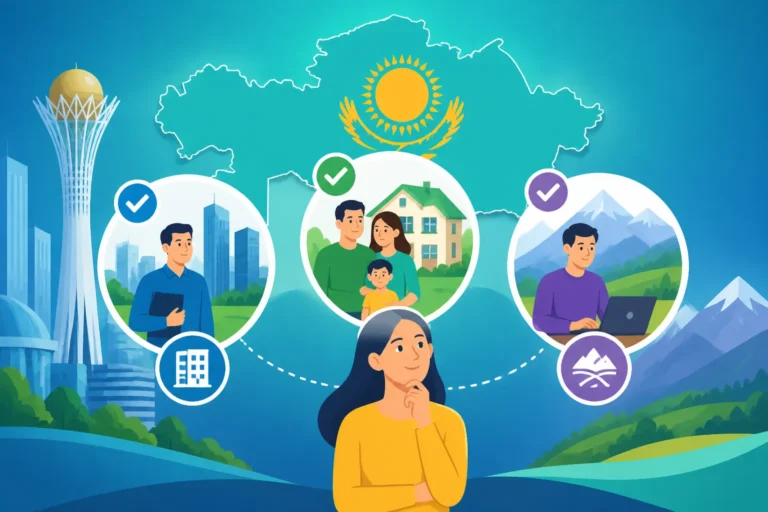
It’s a common scenario for many of us who dream of a life in Kazakhstan: you’ve fallen in love with the culture, the mountains of Almaty, or the dynamic energy of Astana, but you haven't quite landed that perfect job offer yet. The immediate thought is, "Can I actually make a long-term move here without an employer sponsoring my stay?" The good news is, securing a residence permit isn't always tied to a traditional employment contract. This guide will walk you through the various avenues available for obtaining a residence permit in Kazakhstan without needing a prior job offer, exploring options for entrepreneurs, students, investors, and those with family ties.
The Short Answer: Yes, But It's Not Always Simple
Many expats, when first looking into life in Kazakhstan, often encounter information heavily focused on work permits and employer-sponsored visas. This can lead to the understandable (and honestly, quite common) misconception that if you don't have a job waiting for you, your dream of living here is a non-starter. I’ve been there, staring at official websites, feeling a knot of panic thinking, "But what if I just want to be there first?"
It’s important to dispel this "job offer only" myth right from the get-go. While securing a work permit is indeed a very common path to residence, especially for those recruited by international companies or large Kazakhstani firms, it is far from the only avenue. The system, while complex and at times opaque, does offer other pathways designed for different life situations. The challenge isn't necessarily a lack of options, but rather navigating the specific requirements and bureaucratic hurdles that come with each.
Dispelling the "Job Offer Only" Myth
The reason the "job offer equals residence" idea is so prevalent is often due to the nature of expat communities. Many foreigners arrive in Kazakhstan through corporate relocations, where their employer handles all the visa and permit paperwork. This creates a natural bias in shared experiences and readily available information. If your company is sponsoring you, it truly simplifies things immensely. They have legal teams, HR departments, and often established relationships with the migration authorities.
However, for those of us venturing out independently – perhaps freelancers, small business owners, retirees, or those simply seeking a lifestyle change – that corporate safety net isn't there. And that's perfectly okay! Kazakhstan's immigration framework, like many countries, recognizes that people move for a variety of reasons beyond just employment. The key is understanding these alternative categories and diligently preparing for them. You're not alone in feeling overwhelmed by the initial research, but rest assured, there are indeed paths for you.
Understanding the Types of Residence Permits
To truly grasp how you can stay in Kazakhstan without a direct job offer, we need to differentiate between the various types of residence permits available. Each category serves a different purpose and comes with its own set of eligibility criteria, required documents, and processing times. It’s not a one-size-fits-all situation, and what works for one person might not be suitable for another.
Broadly speaking, residence permits in Kazakhstan can be categorized into:
- Temporary Residence Permits (TRP or VCR): These are often issued for specific purposes like work, study, family reunification, or for individual entrepreneurs. They usually have a limited duration, typically one year, and are renewable. The Neo Nomad visa, for example, falls into this category.
- Permanent Residence Permits (PRP or VNR): This is a long-term status that grants you more rights and fewer restrictions, often being a step towards citizenship. It usually requires a certain period of continuous legal residency under a TRP, or meeting specific high-bar criteria (like significant investment).
The crucial distinction for our discussion is that while a "Work Permit" (often tied to a TRP) inherently requires a job offer, many other TRP and PRP categories do not. They focus on other aspects of your life – your family, your education, your entrepreneurial spirit, or your financial capacity. Understanding The Complete Guide to Kazakhstan Visas and Immigration for Expats (2027) will give you a broader overview of the entire system.
Pathways to Residence Without a Direct Job Offer
So, you're not coming in on a corporate transfer? No problem! Kazakhstan offers several specific routes for those looking to establish residence without a traditional employment contract. Each of these pathways caters to different individual circumstances and requires careful planning and adherence to the migration rules.
Entrepreneurship and Self-Employment: The IP Route
For the independently minded, those with a business idea, or the brave freelancers among us, registering as an Individual Entrepreneur (IP) – or Individual Predprinimatel – can be a fantastic way to secure a legal basis for your long-term stay. This path is particularly appealing if you intend to generate your income within Kazakhstan or serve a local clientele. It’s a direct way to contribute to the local economy and thus gain favour with the authorities.
The process involves registering your individual enterprise with the State Revenue Committee. This means you’re essentially your own boss, your own company. You’ll be responsible for your own taxes and contributions, which, for IPs, often fall under a simplified tax regime – a huge benefit for small business owners. I know people who have started everything from IT consulting to language schools and small cafes this way. The key is to prove that your venture is legitimate and financially viable. You’ll need a solid business plan, and critically, you'll need to demonstrate sufficient funds to support yourself and your enterprise. The Migration Service will want to see that you're not going to be a burden on the state. For comprehensive details, be sure to read our guide on How to Register as an Individual Entrepreneur (IP) in Kazakhstan and also dive into Understanding the Simplified Tax Regime for Small Business in Kazakhstan (2027).
Family Reunification: Bringing Loved Ones Home
If you have close family members who are either Kazakhstani citizens or legal permanent residents, this can be one of the most straightforward paths to obtaining your own residence permit without a job offer. Kazakhstan places a high value on family unity, and provisions exist to allow foreign family members to join their loved ones. This usually applies to spouses, minor children, and sometimes dependent parents.
The process typically involves your family member (the "sponsor") submitting an application on your behalf to the Migration Service. They will need to prove their relationship to you, their own legal status in Kazakhstan, and their financial ability to support you without you needing to work immediately. This means providing marriage certificates, birth certificates, and financial statements. It's not a quick process, but it’s a well-established route. Navigating the nuances of How to Sponsor Your Spouse and Children for Residence in Kazakhstan can provide invaluable step-by-step guidance, and you’ll want to understand Understanding Family Reunification Residence in Kazakhstan for all the specifics.
Study Visas and Residence Permits
Kazakhstan boasts a growing number of universities, particularly in major cities like Almaty and Astana, that are increasingly welcoming international students. If furthering your education is on your agenda, enrolling in a recognized educational institution can be your ticket to a residence permit. This is a temporary residence permit issued for the duration of your studies, and it explicitly does not require a job offer, as your primary purpose for being in the country is academic.
To qualify, you'll need to gain admission to a Kazakhstani university, college, or even certain language schools. Once admitted, the educational institution will often assist you with the initial visa application, which then forms the basis for your student residence permit. While studying, international students are often permitted to work part-time, which can help with living expenses, but it’s not a prerequisite for the permit itself. For a full breakdown, check out How to Apply for a Student Visa and Residence Permit in Kazakhstan and The Complete Guide to Studying at a Kazakhstani University (2027).
Investment Residence Permits
For those with significant capital, Kazakhstan offers a path to residence through investment. This route is typically for individuals willing to make a substantial financial contribution to the Kazakhstani economy. The specific investment thresholds and types of eligible investments (e.g., real estate, business ventures, government bonds) can vary and are subject to change, so it's vital to get the most up-to-date information directly from the Migration Service or a trusted legal expert.
This path is designed to attract foreign capital and directly bypasses the need for a job offer, as your contribution to the country is economic rather than through employment. It's often a fast-track option for residence, sometimes leading directly to a long-term temporary or even permanent residence permit. If you're considering this, deep research into Understanding Residence Based on Investment in Kazakhstan is absolutely critical to ensure you meet all the stringent requirements.
The Neo Nomad (Digital Nomad) Visa
One of the more exciting and recent developments for those without a traditional job offer is Kazakhstan's Neo Nomad visa. This initiative is specifically designed for digital nomads, remote workers, and freelancers who earn income from outside Kazakhstan but wish to live and work from within the country. It’s a direct answer to the growing global trend of location-independent work.
The Neo Nomad visa grants a temporary residence permit, usually for a year, with the possibility of renewal for a second year. The key requirement is demonstrating a stable income from foreign sources, typically above a certain threshold, and having a remote work contract or proof of freelance activity. This is a brilliant option for many expats who might otherwise struggle to find a direct pathway, as it directly addresses the "no job offer" scenario. You're bringing your skills and income into Kazakhstan without competing for local jobs. Our comprehensive guide The Expat Guide to the Neo Nomad (Digital Nomad) Visa in Kazakhstan (2027) offers all the nitty-gritty details. You'll also want to understand the ins and outs of Working Remotely from Kazakhstan: The Definitive Expat Guide (2027).
Practicalities and Challenges in Securing Non-Job-Related Residence
Even with these alternative pathways, securing a residence permit in Kazakhstan without a pre-existing job offer isn't a walk in the park. It requires meticulous preparation, patience, and often a good grasp of the local bureaucratic processes. Just like any major life change, it's bound to have its complexities, and knowing what to expect can save you a lot of stress.
Financial Requirements and Proof of Funds
Regardless of the specific residence pathway you choose, a consistent theme is the requirement to prove your financial solvency. The Kazakhstani authorities need to be assured that you can support yourself (and any dependents) without becoming a burden on the state. This usually means demonstrating sufficient funds in a local or international bank account.
The exact amount will depend on the type of permit and the number of dependents, but generally, you'll need to show enough to cover your living expenses for at least a year. For an individual entrepreneur, this might include showing initial capital for your business. For students, it could be proof of scholarship or parental support. These funds often need to be held in a bank and documented with official statements, sometimes translated and notarized. Don't underestimate this step; it's a non-negotiable part of almost every application, and it's where many independent applicants stumble if they haven't planned adequately.
The Bureaucratic Maze and Document Preparation
Oh, the paperwork! This is where the true test of an expat's patience often lies. Kazakhstan's migration and administrative processes can be complex, involving multiple government agencies, and sometimes, a fair bit of running around. You’ll be dealing with the Migration Service, the State Revenue Committee (if you're going the IP route), and potentially various other local administrative bodies.
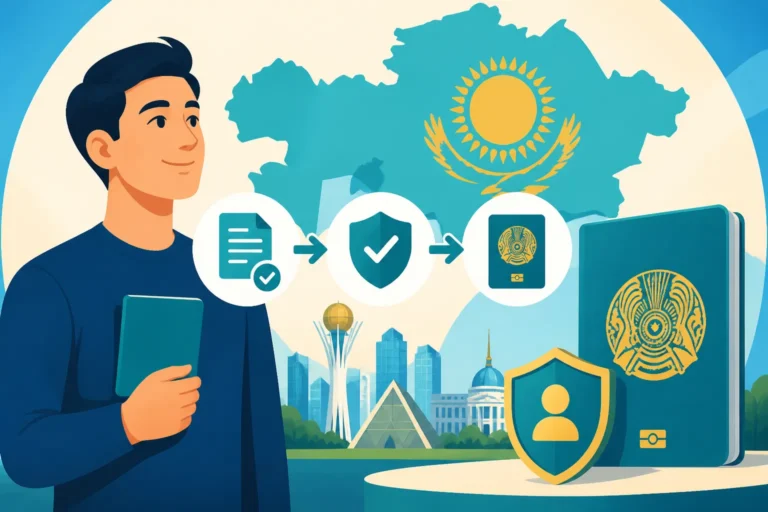
Preparing your documents accurately and completely is paramount. This includes things like your passport, notarized copies, translations into Kazakh or Russian (which must be done by an accredited translator), and often apostilles or legalization from your home country. Even a small error can lead to significant delays or even rejection. The eGov portal is a crucial online resource for many administrative tasks, but not all processes are fully digitized, and face-to-face appointments are often necessary. It's a journey, not a sprint, so embrace the process! For peace of mind, make sure to read Understanding Document and Translation Requirements for Kazakhstan Immigration and How to Get Your Documents Apostilled for Kazakhstan Immigration.
The Importance of Local Support and Expert Advice
While it is always wise for expats to be as self-reliant as possible, there are times when local expertise is simply invaluable. Navigating the legal and administrative landscape of a foreign country, especially when dealing with something as critical as your right to reside, is one of those times. Don't be afraid to seek professional help.
Consider engaging a local immigration lawyer or consultant who specializes in assisting foreigners. They can guide you through the latest regulations, help with document preparation, review your application, and even represent you in certain interactions with government bodies. While this comes at a cost, it can save you immense time, frustration, and potential pitfalls in the long run. Networking with other expats in Almaty or Astana can also provide anecdotal insights and recommendations. Remember, while OSMS (Compulsory Social Health Insurance) is often tied to employment, securing a residence permit usually requires showing proof of any adequate health insurance. For many expats without a job, this means exploring international private options, with providers like Cigna Global offering comprehensive plans that meet the requirements and give you peace of mind. As you plan your major relocation, don't forget to factor in the logistics of your move. Services like Sirelo can help you find reputable movers and compare quotes for shipping your belongings, ensuring a smoother transition as you embark on your Kazakhstani adventure.
Here's a quick overview of how some residence types compare regarding job offers:
| Residence Type | Job Offer Required? | Key Requirement | Initial Duration (Approx.) | Path to Permanent Residence? |
|---|---|---|---|---|
| Work Permit | Yes | Employer Sponsor | 1 year (renewable) | Yes |
| Individual Entrepreneur | No | Business Registration, Proof of Funds | 1 year (renewable) | Yes, potentially |
| Family Reunification | No | Close Relative Sponsorship | 1-2 years (renewable) | Yes |
| Student Permit | No | University Enrollment, Funds | Duration of study | No, typically |
| Investment Permit | No | Significant Capital Investment | 5 years (renewable) | Yes |
| Neo Nomad Visa | No | Remote Work Contract/Foreign Income | 1 year (renewable once) | No, typically |
Disclaimer
Please remember that immigration laws and procedures in Kazakhstan can change. The information provided in this article is intended for general guidance only and does not constitute legal advice. It is always recommended to consult with the official migration authorities of Kazakhstan or a qualified immigration lawyer for the most current and personalized advice regarding your specific situation.