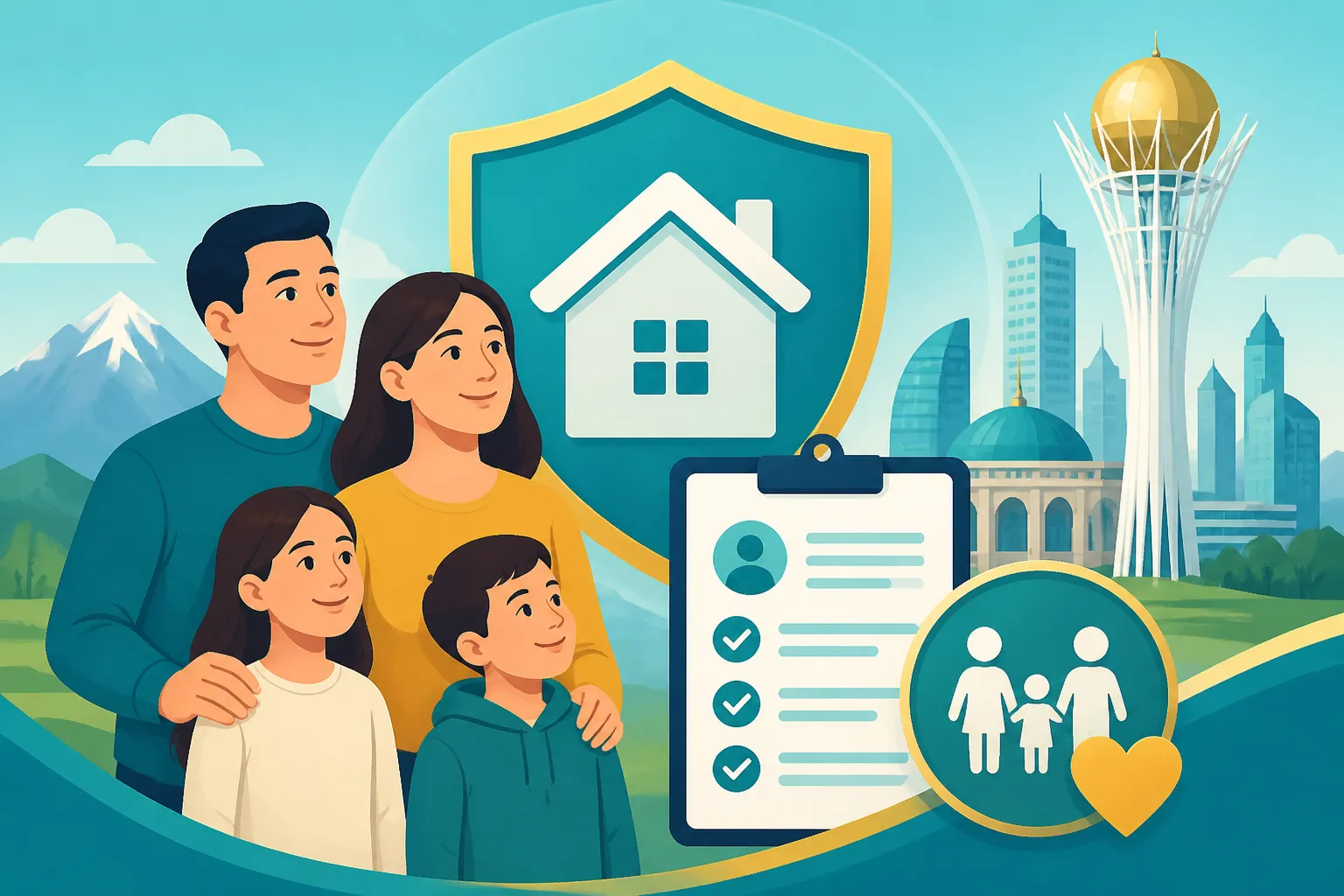
How to Sponsor Your Spouse and Children for Residence in Kazakhstan
Bringing your loved ones to live with you in Kazakhstan can feel like navigating a labyrinth, a common frustration for many expats. The sheer volume of paperwork, the specific requirements, and the bureaucratic hurdles can be overwhelming. This guide is here to untangle that process, offering clear, empathetic advice on how to successfully sponsor your spouse and children for residence in Kazakhstan, ensuring your family can join you in this vibrant country.
Understanding the Foundation: Who Can Sponsor Whom?
Before you even think about gathering documents, it’s crucial to understand the bedrock of family reunification in Kazakhstan: your own immigration status. This isn't just a formality; it dictates everything that follows. Think of it as the qualifying round before you can even step onto the main field.
The Primary Expat's Residence Status
Your ability to sponsor your family hinges directly on your own legal standing in Kazakhstan. It’s not enough to simply be living here; you need a stable and recognised long-term residence permit. Typically, this means you hold a valid work permit and a corresponding residence permit, an investment-based residence permit, or a newly introduced visa like the Neo Nomad (digital nomad) visa if that path eventually allows for family sponsorship. A tourist visa or even a short-term business visa won't cut it. The Kazakhstani authorities want to see that you are genuinely settled, contributing to the country, and have a clear, legal right to be here for an extended period.
For example, if you've arrived on a standard employment contract, your employer would have secured a work permit for you, which then allows you to apply for a temporary residence permit. This permit is usually valid for the duration of your employment contract, often one year, and is renewable. This stable, renewable status is what makes you eligible to sponsor. In contrast, someone on a 30-day visa-free entry, or even a longer-term visitor visa, will find themselves unable to sponsor family for residence because their own presence in the country is considered temporary and not for settlement purposes. The system is designed to ensure stability and prevent abuse, so demonstrating your own long-term commitment is paramount. Understanding How to Get a Residence Permit for Work in Kazakhstan is the first critical step for many.
Defining "Family Members" for Kazakhstani Immigration
Kazakhstani immigration law has specific definitions for who qualifies as a "family member" for sponsorship purposes. Generally, this includes your legally married spouse and your minor children, typically those under the age of 18. This might seem straightforward, but the devil is often in the details, particularly concerning documentation. For your spouse, you’ll need an official, legal marriage certificate. For children, birth certificates are required. These documents must be original or certified copies, and in most cases, will need to be officially translated into Kazakh or Russian and then apostilled or legalised, depending on the issuing country.
The situation can get a little trickier for non-traditional family structures. For instance, common-law partners or fiancés generally do not qualify as "spouses" under the family reunification rules, requiring a legal marriage to be recognised. Similarly, while adopted children and step-children can often be included, you will need extensive legal documentation proving the adoption or the parental relationship, often including court orders or official guardianship documents. This is where many expats hit their first real wall of bureaucracy; what might be easily accepted in your home country as proof of family connection needs to meet very specific Kazakhstani legal standards. Make sure every document clearly reflects the relationship, and be prepared for authorities to scrutinize it thoroughly.
Essential Documents: Gathering Your Paperwork Mountain
Ah, the paperwork. This is often the most daunting part of any immigration process in Kazakhstan. It feels like you're climbing a mountain, and just when you think you've reached the summit, you find another peak to conquer. But with a clear list and a methodical approach, it's entirely manageable.
The Sponsor's Checklist: What You Need to Provide
As the primary expat and sponsor, you'll be required to present a robust portfolio of documents proving your identity, legal status, and most importantly, your financial capacity to support your dependents without them becoming a burden on the state. This typically includes a copy of your passport, a copy of your valid residence permit (the one that makes you eligible to sponsor), and critically, your Individual Identification Number (IIN). The IIN is your unique identifier here, essential for almost all official transactions. If you haven't gotten yours yet, or are unsure of its importance, you might want to read up on Understanding the IIN and Why You Need One in Kazakhstan.
Beyond identity, you'll need compelling proof of income. This usually means an employment contract, recent salary slips (often for the last 6-12 months), and official bank statements showing sufficient funds to cover living expenses for your entire family. The authorities want assurance that you can comfortably house, feed, and financially support everyone. Additionally, proof of accommodation is paramount: a notarized rental agreement in your name, or a certificate of property ownership if you've purchased a home. This demonstrates you have a stable place for your family to live. A common real-life scenario is someone getting all their documents ready, only to find their employment contract isn't translated into Kazakh or Russian, or their bank statements lack an official stamp. Always anticipate these translation and certification requirements; it’s better to be overprepared than to face delays due to missing stamps or uncertified copies.
The Dependent's Dossier: Documents for Your Spouse and Children
Your spouse and children will each need their own set of personal documents, mirroring many of the requirements for you, but with a few crucial additions. Each dependent will need their original passport, valid for at least six months beyond their intended stay. For your children, their original birth certificates are essential, and for your spouse, your original marriage certificate. Again, the golden rule here is professional translation into Kazakh or Russian, followed by apostille or legalisation, depending on the country of issuance. This can be a time-consuming step, so factor it into your planning. If your home country is part of the Hague Apostille Convention, you’ll need an apostille; otherwise, it’s a more complex legalisation process through the Kazakhstani embassy or consulate in that country.
Beyond identity and relationship proofs, dependents will typically need medical certificates. This often includes a general health certificate confirming they are free from infectious diseases, and specifically, an HIV negative certificate. These medical tests usually need to be performed at an approved clinic, either in your home country or upon arrival in Kazakhstan within a very specific timeframe. Finally, police clearance certificates are a must for adult dependents, issued by the authorities in their country of residence (and sometimes any country they’ve lived in for a significant period). These certificates confirm a clean criminal record. And don't forget passport-sized photos meeting strict specifications – usually 3.5×4.5 cm, full face, white background, no glasses or hats unless for religious reasons. Neglecting any of these details can lead to your application being rejected or significantly delayed. For many, navigating the labyrinth of document authentication can be a massive headache, so consulting a service like Sirelo, which often provides guidance on international relocations, might offer peace of mind when considering the entire move.
Navigating the Application Process: Step by Step
Once you've wrestled your paperwork mountain into submission, the next phase is the actual application process. This part requires precision and a good understanding of the local administrative flow. It’s less about brute force and more about strategic finesse.
Initial Application and Visa Requirements
For many nationalities, your dependents might need to obtain a specific "family reunification" visa before they even set foot in Kazakhstan. This is crucial: don't assume they can enter on a tourist visa and then convert it, as this is often not possible or creates significant complications. This initial visa application would typically be made at a Kazakhstani embassy or consulate in their country of residence. They will need a letter of invitation from you, along with copies of your residence permit and financial stability documents, to support their visa application. Once granted, this visa allows them to enter Kazakhstan legally with the explicit intent of applying for a long-term residence permit.
Upon their arrival in Kazakhstan, the very first and absolutely critical step is to register their arrival with the Migration Service. This needs to be done within a few days of entry (the exact timeframe can vary, so always check the most current regulations, but usually within 3-5 calendar days). Failing to register can lead to fines and difficulties with all subsequent applications. Your landlord or hotel can usually assist with this. This registration is vital because it proves their legal entry and presence in the country, forming the basis for their residence permit application. If this sounds like a lot to keep track of, you're right. That's why understanding How to Register Your Arrival with the Migration Service in Kazakhstan is a piece of foundational knowledge every expat needs.
Submitting the Residence Permit Application
With your dependents legally in the country and their arrival registered, the next step is to submit the actual residence permit application. This is typically done at the local Public Service Centre (known as a "TsON" or "CSC" – Citizen Service Centre) or directly with the Migration Service Department. You, as the sponsor, will usually accompany your dependents, bringing all the meticulously prepared documents we discussed earlier. Be prepared for potentially long wait times and remember that patience is a virtue in Kazakhstani bureaucracy. You might also find parts of the application process available through the eGov portal, Kazakhstan's online government services platform, though comprehensive family reunification might still require in-person visits.
During the submission, officials will review all documents. They might ask questions, and it’s not uncommon for them to request additional information or clarifications, even if you thought everything was perfect. This is where having a local friend or a professional translator with you can be incredibly helpful. Common pitfalls include incomplete forms, outdated documents, or discrepancies between documents. Once submitted, you'll enter the "waiting game." The processing time can vary, often several weeks to a few months. There's no real-time tracking system like some Western countries, so you'll often need to follow up in person or through a representative. A real-life scenario might involve getting a call back saying one of your child's birth certificate translations isn't "certified enough," or that your bank statement needs a fresh date. These little hurdles can delay the process, but staying calm and immediately addressing the issue is key. The entire process, including timelines and costs, can be a bit opaque, which is why Understanding the Cost and Timeline of the Kazakhstan Residence Process is so important for realistic planning.
Financial Implications and Practicalities
Moving a family, especially internationally, always comes with a financial price tag and a host of practical considerations that extend far beyond just the immigration paperwork. Budgeting accurately and planning for day-to-day life is just as critical as getting that stamp in your passport.
Costs Involved: Fees, Translations, and Medicals
Let’s be realistic: sponsoring your family isn’t free. There are various fees you need to budget for. Firstly, there are government fees for the processing and issuance of each residence permit. These fees are usually paid at the bank or through the eGov system and can change, so always check the latest amounts directly with the Migration Service. These are generally not exorbitant, but they add up, especially for multiple family members. Secondly, the costs for professional translations and apostille services can be significant. Each document needs to be translated and certified, and if you have several birth certificates, a marriage certificate, and police clearances, these costs can accumulate quickly. Expect to pay per document, and sometimes per page.
Thirdly, the mandatory medical examinations, including HIV tests, also incur costs. While Kazakhstan generally offers affordable healthcare, these specific medical checks are typically paid out-of-pocket and must be performed at designated medical facilities. Finally, if you choose to enlist the help of a legal consultant or immigration specialist to navigate the process – which many expats wisely do – their professional fees will be an additional expense. While this adds to the overall cost, it can save you immense time and stress, reducing the likelihood of costly errors and delays. Before embarking on this journey, having a clear financial overview is key to avoiding unpleasant surprises.
Health Insurance and Education for Dependents
Beyond the direct application costs, you need to think about the ongoing welfare of your family, especially healthcare and education. Once your spouse and children obtain their residence permits, they will generally be eligible for Kazakhstan's Compulsory Social Health Insurance (OSMS), provided you, as the sponsor, are employed and making contributions. This is a foundational aspect of The Complete Guide to Healthcare in Kazakhstan for Expats (2027), and your dependents will need to be registered under your coverage. This insurance provides access to public clinics and hospitals, but it’s crucial to understand its scope and limitations.
Many expats also opt for private health insurance for themselves and their families to complement OSMS or to access a wider network of private clinics and English-speaking doctors. Companies like Cigna Global offer international health insurance plans that provide more comprehensive coverage, including sometimes covering pre-existing conditions (though always check policy specifics), and allowing access to higher-quality private medical facilities in Almaty or Astana. This can be a significant comfort, especially when dealing with children's health. When it comes to education, Kazakhstan offers public schools, private local schools, and international schools. The cost difference is vast. Public schools are essentially free but instruction is typically in Kazakh or Russian. International schools, while expensive, often provide an English-language curriculum and a smoother transition for expat children. Researching How to Enrol Your Child in a School in Kazakhstan is an important part of settling your family.
Here's a quick overview of potential costs and considerations:
| Category | Description | Estimated Cost (KZT, one-time) | Estimated Cost (KZT, recurring) |
|---|---|---|---|
| Government Fees | Residence permit application for spouse & children | ~20,000 – 50,000 per person | N/A |
| Translations & Apostille | Per document (marriage certificate, birth certificates, police clearance) | ~5,000 – 15,000 per document | N/A |
| Medical Examinations | HIV test, general health check (per person) | ~10,000 – 25,000 per person | N/A |
| Legal/Consultant Fees | Optional, but highly recommended for complex cases | ~100,000 – 500,000+ | N/A |
| OSMS Contributions | Mandatory social health insurance for employed expats (includes dependents) | N/A | ~3% of salary (employer contribution) |
| Private Health Insurance | Optional, for enhanced coverage (e.g., Cigna Global) | N/A | Varies by plan, ~50,000+ per month for family |
| School Fees | Public (free) vs. International (very expensive) | N/A | 0 – 10,000,000+ per child/year |
Note: All costs are approximate and can vary based on exchange rates, service providers, and government policy changes.
Life After Approval: Maintaining and Renewing Residence
Congratulations! You’ve navigated the bureaucracy, paid the fees, and your family has their residence permits. But the journey doesn’t end there. Understanding the rights, responsibilities, and future renewal processes is crucial for long-term peace of mind in Kazakhstan.
Rights and Responsibilities of Family Dependents
With a valid residence permit, your spouse and children now have the legal right to reside in Kazakhstan for the duration of the permit. This is a huge relief, offering stability and allowing them to truly settle in. This also grants them access to the public healthcare system via your OSMS contributions, as mentioned before. Children, of course, have the right to attend school, whether public or private. This means they can finally start building their new lives, forming friendships, and engaging with the community without constant worry about their legal status.
However, rights come with responsibilities. All residents, including dependents, must adhere to Kazakhstani laws. If they move apartments, any change of address must be registered with the Migration Service within the stipulated timeframe. This is critical and often overlooked, leading to fines if not done promptly. For spouses, it’s important to clarify their work rights. While their residence permit allows them to live here, it typically does not automatically grant them the right to work. If your spouse wishes to seek employment, they will usually need to secure their own job offer and then apply for a separate work permit and a new residence permit based on their employment. This is a common misconception, so ensure you understand this distinction to avoid any legal issues.
Renewal Process and Long-Term Considerations
Residence permits are not forever; they have an expiry date, usually aligned with the primary expat’s work permit or other underlying residence status. Keeping track of this expiry date is paramount. You generally need to start the renewal process well in advance, typically 30-45 days before the current permit expires. The renewal application will largely mirror the initial application, requiring updated copies of all documents, proof of continued financial stability, and continued valid accommodation. You’ll need to demonstrate that the conditions under which the initial permit was granted still hold true. Neglecting to renew in time can lead to serious consequences, including fines, legal difficulties, and potentially having to leave the country and reapply from scratch, which nobody wants. Therefore, How to Renew Your Residence Permit in Kazakhstan becomes a critical recurring task.
Over the long term, for those who truly fall in love with Kazakhstan and wish to make it their permanent home, there are pathways to permanent residence for the entire family. After residing in Kazakhstan for a certain period on temporary residence permits (often five years, but this can vary based on your initial residence type and other factors), you might become eligible to apply for permanent residence. This is a more involved process with stricter requirements, including proficiency in basic Kazakh language and a deeper financial assessment, but it offers far greater stability and opens doors to other opportunities. Each family member would apply for permanent residence individually, but your status as the primary expat would still be the anchor. This long-term vision requires careful planning and consistent adherence to all immigration rules throughout your stay.
Common Challenges and Pro Tips for Expats
Let’s be honest, moving to a new country with family and tackling immigration can be tough. There are days when you'll feel like throwing your hands up in exasperation. This guide shares some realistic insights and tips to make it a smoother ride.
Overcoming Bureaucracy and Language Barriers
The Kazakhstani administrative system, while increasingly modernizing (e.g., eGov portal), can still feel opaque and frustrating, especially when dealing with complex family reunification cases. Patience isn't just a virtue here; it's a survival skill. Be prepared for multiple visits to government offices, unexpected requests for additional documents, and potential inconsistencies in information received from different officials. The language barrier is often the biggest hurdle. While younger generations and those in international companies may speak English, many government employees will primarily speak Kazakh or Russian. Relying on gestures or basic phrases is rarely sufficient for complex legal matters.
My top tip: always, always bring a Kazakh or Russian-speaking friend, colleague, or professional translator with you to government appointments. They can clarify instructions, advocate on your behalf, and ensure you understand everything. Don't be shy about asking for help; it's a sign of wisdom, not weakness, in this context. And remember that the officials are just doing their jobs; maintaining a polite and respectful demeanor, even when frustrated, will always yield better results than getting agitated. For broader relocation challenges, you might find platforms like Sirelo helpful, as they offer resources and connect expats with services that can ease the logistical burden of moving to a new country, reducing stress on the administrative front.
Planning for the Move: Logistics and Support
Beyond the legalities, bringing your family means tackling a whole host of practical logistics. Housing is a big one. You'll need to find suitable accommodation not just for yourself, but for your entire family, considering school proximity, safety, and amenities. Starting your search well in advance and possibly arranging temporary accommodation upon arrival is a wise move. Finding the right schools for your children is another major task, requiring research into the curriculum, costs, and admission processes. The Complete Guide to Moving to Kazakhstan: Your First 90 Days (2027) covers many of these initial steps in detail, and it’s a good reference point.
But beyond the practical, don't underestimate the emotional and social support your family will need. Moving to a new country, especially for children, can be tough. They're leaving friends, familiar routines, and a comfortable environment. Help them build new connections by enrolling them in extracurricular activities, seeking out expat communities, and exploring Kazakhstan's rich culture together. For yourself and your spouse, building a new social network is equally important. Remember, you're not just moving things; you're moving lives. Be patient with each other, celebrate small victories, and embrace the adventure together. It's a challenging but ultimately rewarding experience that will bring your family closer.
Disclaimer
Please note that immigration laws and procedures in Kazakhstan can change. The information provided in this guide is for general informational purposes only and does not constitute legal advice. It is highly recommended to consult with the official Migration Service of Kazakhstan or a qualified immigration lawyer for the most accurate and up-to-date information regarding your specific situation.