What Should I Do in a Medical Emergency in Almaty?
Experiencing a medical emergency, especially in a foreign country like Kazakhstan, can be incredibly disorienting and frankly, terrifying. When you're in pain, scared, and maybe grappling with a language barrier, the last thing you need is confusion about where to go or what to do. This guide is here to cut through that noise and give you clear, actionable steps on how to navigate a medical emergency specifically in Almaty, ensuring you get the help you need when every second counts.
Understanding the Emergency System in Almaty
Let's be honest, the Kazakhstani healthcare system operates differently from what many of us are used to back home. When you're in a medical emergency in Almaty, understanding the initial points of contact is crucial. Forget about the smooth, often predictable processes you might be accustomed to; here, it often requires a bit more proactive effort and local knowledge.
When to Call for an Ambulance (103/112)
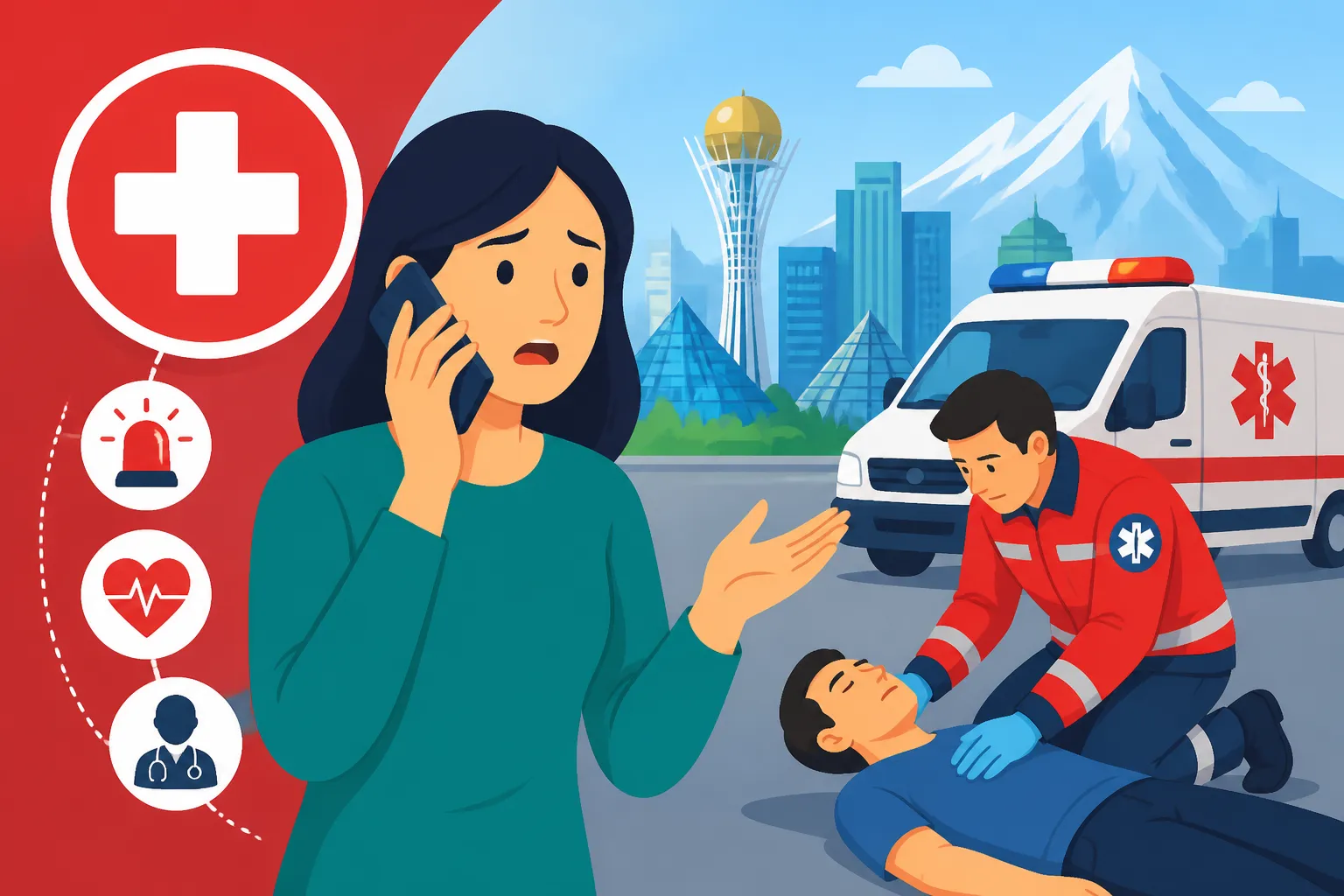
First things first, knowing when to pick up the phone and call for help is paramount. In Kazakhstan, the emergency number for an ambulance is 103. You can also use 112, which is a general emergency number that can connect you to all services, including police and fire, but for a direct ambulance, 103 is your go-to.
You should absolutely call 103 for life-threatening situations or severe injuries. Think along the lines of suspected heart attacks (chest pain, shortness of breath, radiating arm pain), stroke symptoms (sudden weakness on one side, difficulty speaking, facial drooping), severe trauma from an accident, loss of consciousness, uncontrolled bleeding, or difficulty breathing. These are the moments when waiting is not an option, and professional medical transport is essential. The ambulance service, known locally as "Skoraya Pomoshch" (Скорая Помощь), will dispatch paramedics. It's vital to remember that while the system is designed to respond, the quality of service can vary. Don't expect state-of-the-art ambulances or fully English-speaking staff every time, especially outside the main city centres.
When you call, try to stay calm and provide as much detail as possible. You'll need to clearly state your exact location – this is where having your address written down or pinned on Google Maps is invaluable. Describe the nature of the emergency: what happened, what are the symptoms, how many people are affected, and whether the person is conscious. Give them your contact number. If you don't speak Russian or Kazakh, try to have a local friend, colleague, or even a helpful passerby translate for you. Even simple phrases like "Skoraya pomoshch, pozhaluysta" (Ambulance, please) or "Mne plokho" (I feel bad) can help. Remember, while they will come, getting clear instructions to them is the biggest hurdle.
You might have heard whispers among expats about long response times or ambulances not always being the quickest option. There's a kernel of truth there, especially during peak traffic hours or for less severe cases. This isn't to discourage you from calling when it's truly an emergency, but rather to manage expectations. For a deeper dive into the specifics, you can check out our guide on Understanding Emergency Numbers (103 and 112) and Ambulance Care in Kazakhstan.
Getting to the Hospital Yourself (Taxi/Private Car)
There are definitely situations where getting to the hospital yourself might actually be a faster or more practical option than waiting for an ambulance. This is particularly true for urgent but non-life-threatening conditions. We're talking about suspected broken bones where movement is possible, deep cuts that need stitches but aren't spurting blood, severe allergic reactions that are not yet impacting breathing, or sudden, intense stomach pain. If you're conscious, capable, and have someone to help you, a private car or taxi can sometimes cut down critical waiting time.
Almaty has several hospitals with emergency departments. For public options, larger facilities like City Clinical Hospital No. 7 (Gorodskaya Klinicheskaya Bolnitsa No. 7) often handle a high volume of emergencies. On the private side, which many expats prefer for the higher standard of care and likelihood of English-speaking staff, places like SOS International Medical Center or Interteach Medical Center are well-regarded. It's smart to know the addresses of these facilities beforehand, perhaps even having them saved in your phone. If you have international private insurance like SafetyWing, they often have preferred providers and can guide you. Always try to make your way to a facility that aligns with your insurance coverage or your preferred standard of care.
Using ride-hailing apps like Yandex Go or InDrive is incredibly common and usually reliable in Almaty. Simply enter the hospital's address into the app. Most drivers will understand "Bolnitsa" (Hospital). If you're in significant pain, communicate this to the driver. While it's not a medical vehicle, it provides swift transportation. The key here is having a plan: know which hospital you're aiming for, have its address ready, and ensure your phone is charged. For a more detailed look at medical facilities, read How to Use Major Hospitals and Clinics in Almaty.
Navigating Hospital Emergency Rooms as an Expat
So, you've made it to the hospital, either by ambulance or private transport. Now what? This is often where the real cultural and systemic differences come into play. It can feel like a maze, and honestly, it can be frustrating. But knowing what to expect can help you navigate it with a little less stress.
What to Expect Upon Arrival
Upon arrival at an emergency room in Almaty, whether public or private, the first step is typically registration. You'll need your passport and your IIN (Individual Identification Number). If you have health insurance, have your policy details readily available. This includes your physical insurance card, if you have one, or at least the policy number and contact information for your provider. It’s also incredibly helpful to have a local friend or colleague with you who can translate and help with the administrative process, which can be cumbersome, even without a language barrier.
Public hospitals often operate on a triage system, but it might not be as transparent or as orderly as you're used to. Be prepared for potentially long waiting times if your condition isn't immediately life-threatening. The staff might not always speak English, so having a translation app or a translator can be a lifeline. You might be asked to sit and wait in a general area, and it can feel a bit chaotic. In private clinics, the experience is generally more streamlined and professional, with a higher likelihood of English-speaking staff and shorter wait times. They are often better equipped to handle international patients and understand the nuances of global health insurance policies, including those from providers like SafetyWing.
An initial assessment will be made, and depending on your symptoms, you might be directed to a specific department or asked to wait for a doctor. This isn't the time for niceties; clearly and concisely explain your symptoms. Don't be shy about detailing your pain or discomfort. It's also wise to have a brief medical history, including any allergies and current medications, either translated or written down in a simple, understandable format. This is crucial for their assessment and treatment. You can find more comprehensive information on the general healthcare system in our guide: How Kazakhstan's Health System Works: OSMS and Private Care Explained (2027).
Payment and Insurance Considerations
This is where things can get tricky for expats. In Kazakhstan, if you are officially employed and a resident, you'll likely be covered by OSMS (Compulsory Social Health Insurance). Under OSMS, emergency care is generally covered. However, don't be surprised if there are still some out-of-pocket costs for certain medications or services, especially in public hospitals. The system is designed to provide care, but the billing aspect can be opaque at times.
For those without OSMS or who prefer private care, private insurance is your best friend. This could be a local private plan or an international health insurance policy. Companies like SafetyWing offer travel and medical insurance that is designed for digital nomads and expats, often providing coverage for emergency medical treatment. With such a policy, you’ll typically need to pay upfront in private clinics and then seek reimbursement. It's imperative to contact your insurance provider as soon as it's safe to do so – ideally, a family member or friend can do this for you while you're being attended to. They can confirm your coverage, guide you on which facilities are preferred, and often initiate the reimbursement process. Always, always keep all receipts, medical reports, invoices, and any other documentation from your emergency visit. You'll need these for your insurance claim.
If you don't have OSMS or private insurance, you will be expected to pay out-of-pocket for all services. Public hospitals might still provide emergency stabilization, but for ongoing treatment or elective procedures, you'll need to cover the costs. Payment is usually accepted in Kazakhstani Tenge (KZT), either in cash or by card. It's a good idea to have some cash on hand for emergencies, just in case card machines are down or not available at all points of service. For a full breakdown of your options, including SafetyWing, check out Health Insurance in Kazakhstan: OSMS, Private and International Options Explained.
Practical Tips for Expat Emergency Preparedness
Being prepared is half the battle when it comes to navigating emergencies in a new country. Trust me, learning this the hard way is not fun. A little foresight can save you a lot of grief and potentially critical time.
Essential Documents and Information
This cannot be stressed enough: always, always carry your essential documents. This means your passport (or a high-quality copy/photo on your phone), your IIN, and your health insurance card. Keep these not only physically with you but also have digital copies accessible on your phone or in a secure cloud storage. In the event you are unconscious or unable to communicate, these documents can speak for you.
Beyond official identification, prepare a small emergency card or note. On it, list critical information:
- Emergency Contact: A local friend, colleague, or family member who speaks Russian or Kazakh, along with their phone number.
- Medical History: Any significant medical conditions you have (e.g., diabetes, epilepsy, heart conditions).
- Allergies: Especially to medications, food, or insect bites.
- Current Medications: List all prescription medications you are taking, including dosages.
- Blood Type: While they will likely re-test, having it noted can be helpful.
- Embassy Contact: Your home country's embassy or consulate in Kazakhstan.
Having this information readily available can streamline the process for medical staff and ensure you receive appropriate care without delays. Many expats I know laminate a small card with this info and keep it in their wallet. You can learn more about what you need in general to see a doctor here: What Documents Do I Need to See a Doctor in Kazakhstan?.
Language and Communication Strategies
The language barrier is arguably one of the biggest challenges during a medical emergency in Almaty. While some private clinics and international hospitals have English-speaking staff, it's not a guarantee, especially in public facilities or with ambulance crews.
Here are some strategies to help:
- Basic Phrases: Learn and practice a few critical Russian or Kazakh phrases. "Mne nuzhna skoraya pomoshch" (I need an ambulance), "Bolno zdes" (It hurts here), "Ya allergik" (I am allergic), "Vrach, pozhaluysta" (Doctor, please).
- Translation Apps: Have Google Translate or Yandex Translate downloaded on your phone, with offline language packs for Russian/Kazakh already installed. While not perfect, they can help bridge simple communication gaps.
- Local Contact: As mentioned, having a local friend or colleague on speed dial who can act as a translator in a crisis is invaluable.
- Prepared Note: A note in Russian/Kazakh stating: "I am a foreigner and do not speak Russian/Kazakh. Please find someone who speaks English or use a translation app. My medical information is on this card."
Being able to convey your needs, even minimally, can significantly impact the speed and quality of care you receive. For tips on finding medical professionals who speak your language, check out How to Find an English-Speaking Doctor in Kazakhstan.
Understanding Your Insurance Options
Knowing your health insurance inside and out before an emergency strikes is crucial. Many expats will have one of a few main types of coverage:
- OSMS (Compulsory Social Health Insurance): If you are officially employed and registered in Kazakhstan, you'll be contributing to OSMS. This provides basic medical care, including emergencies, at public hospitals and clinics. However, it usually requires you to be registered with a specific "poliklinika" (local clinic). Understanding the full scope of what's covered can be complex, so it’s worth reviewing our guide on How to Register for Compulsory Social Health Insurance (OSMS) in Kazakhstan.
- Private Health Insurance (Local or International): Many expats opt for private insurance, either purchased locally or from an international provider. These plans offer more comprehensive coverage, access to private hospitals with better facilities and often English-speaking staff, and more streamlined processes. Providers like SafetyWing are specifically designed for expats and digital nomads, offering flexible and extensive coverage, including emergency medical care. It's crucial to understand your policy's terms for emergency treatment: does it cover direct billing, or will you need to pay upfront and claim reimbursement? What are the exclusions?
- Travel Insurance: For those on short visits or during their initial settling period, a robust travel insurance policy that includes medical emergencies is essential. Again, SafetyWing is a popular choice among travelers and new expats for its comprehensive coverage for unexpected medical needs.
Take the time to read your policy documents carefully. Know your emergency contact number for your insurance provider. Having this information at your fingertips can make a huge difference in reducing your financial burden and stress during a medical crisis. For more on private options, see Understanding Private Health Insurance Plans in Kazakhstan.
Here's a quick comparison of what to expect from public versus private emergency services in Almaty:
| Feature | Public Emergency Services (e.g., City Hospitals) | Private Emergency Services (e.g., SOS, Interteach) |
|---|---|---|
| Cost | Generally covered by OSMS, some out-of-pocket costs possible for non-OSMS | Higher upfront costs, typically covered by private insurance or out-of-pocket |
| Staff Language | Primarily Russian/Kazakh, English speakers rare | Higher likelihood of English-speaking doctors/nurses |
| Response Time (Ambulance) | Varies, potentially longer for non-critical cases | May be faster for private ambulance services, but often self-transport preferred |
| Facilities | Basic, functional, can be crowded | Modern, well-equipped, less crowded |
| Wait Times | Can be long, especially for non-life-threatening conditions | Generally shorter, more efficient triage |
| Payment Options | OSMS, cash for out-of-pocket, card sometimes limited | Card (credit/debit), cash, direct billing with some international insurers |
| Documentation | Requires passport, IIN, OSMS details; often needs translation for reports | Requires passport, IIN, insurance details; reports often available in English |
| Initial Experience | Can feel chaotic, less personal | More organized, patient-focused, calmer environment |
Post-Emergency Care and Follow-Up
The emergency itself is often just the beginning. What happens next, particularly regarding follow-up care and managing the financial aftermath, is just as important. Don't assume everything is wrapped up once you leave the ER.
Follow-up Appointments and Specialist Referrals
Once the immediate crisis has passed and you've been discharged from the emergency room, you'll likely need follow-up care. If you were treated at a public hospital and are covered by OSMS, your next step will typically be to visit your registered "poliklinika" (local clinic). They will have your records from the emergency visit and can arrange further appointments, refer you to specialists, or manage ongoing treatment. This is how the system is designed to flow under OSMS.
For those who used private emergency services or have private insurance, you have more flexibility. You can usually choose to continue follow-up care at the same private clinic or be referred to one of their specialists. Private clinics generally offer more direct access to specialists without the lengthy referral chains sometimes experienced in the public system. If you have an international health insurance provider like SafetyWing, they often have a network of approved specialists and clinics, and their customer service can help you arrange these follow-up appointments. Always ensure continuity of care, especially for conditions that require ongoing monitoring or rehabilitation.
Understanding how to navigate the broader healthcare landscape after an emergency is critical for your long-term health in Kazakhstan. For a comprehensive overview, read Navigating the Kazakhstani Healthcare System: An Expat's Roadmap (2027).
Handling Medical Bills and Claims
This is the part nobody enjoys, but it's an unavoidable aspect of an emergency. As an expat, especially if you're using private or international insurance, you'll likely be dealing with reimbursements.
Here's a general step-by-step for filing claims with your private insurance:
- Gather All Documents: This is where that "keep everything" advice pays off. You'll need original invoices, detailed receipts for every service (consultations, tests, medications, procedures), and the official medical report from the hospital/clinic, clearly stating your diagnosis and treatment. If possible, ensure these documents are in English or professionally translated.
- Contact Your Insurance Provider: As soon as you are able, formally notify your insurance company about the incident and your treatment. Many, including SafetyWing, have online portals or dedicated email addresses for submitting claims. They will provide you with specific forms and instructions.
- Complete Claim Forms: Fill out all necessary claim forms accurately and completely. Attach all your supporting documents. Be meticulous; missing information can delay your reimbursement.
- Submit Your Claim: Send everything to your insurance provider as per their instructions. Keep copies of everything you submit for your records.
- Follow Up: Don't be afraid to follow up regularly on the status of your claim. Reimbursement times can vary, but persistence can help.
The cost of healthcare in Kazakhstan, even in emergencies, can add up, particularly in private facilities. Knowing The Cost of Healthcare in Kazakhstan: A Complete Breakdown for Foreigners (2026) can help you set realistic expectations for out-of-pocket expenses. Having a solid insurance plan from a reputable provider, such as SafetyWing, and understanding its claims process is your best defence against unexpected financial stress during a medical emergency.
Disclaimer
The information provided in this guide is for general informational purposes only and does not constitute medical, legal, or professional advice. While we strive to keep the information up-to-date and accurate, healthcare systems and regulations in Kazakhstan can change rapidly. Always consult with qualified medical professionals, legal experts, or your insurance provider for advice tailored to your specific situation. Reliance on any information in this guide is solely at your own risk.