How Much Does an Emergency Room Visit Cost in Kazakhstan?
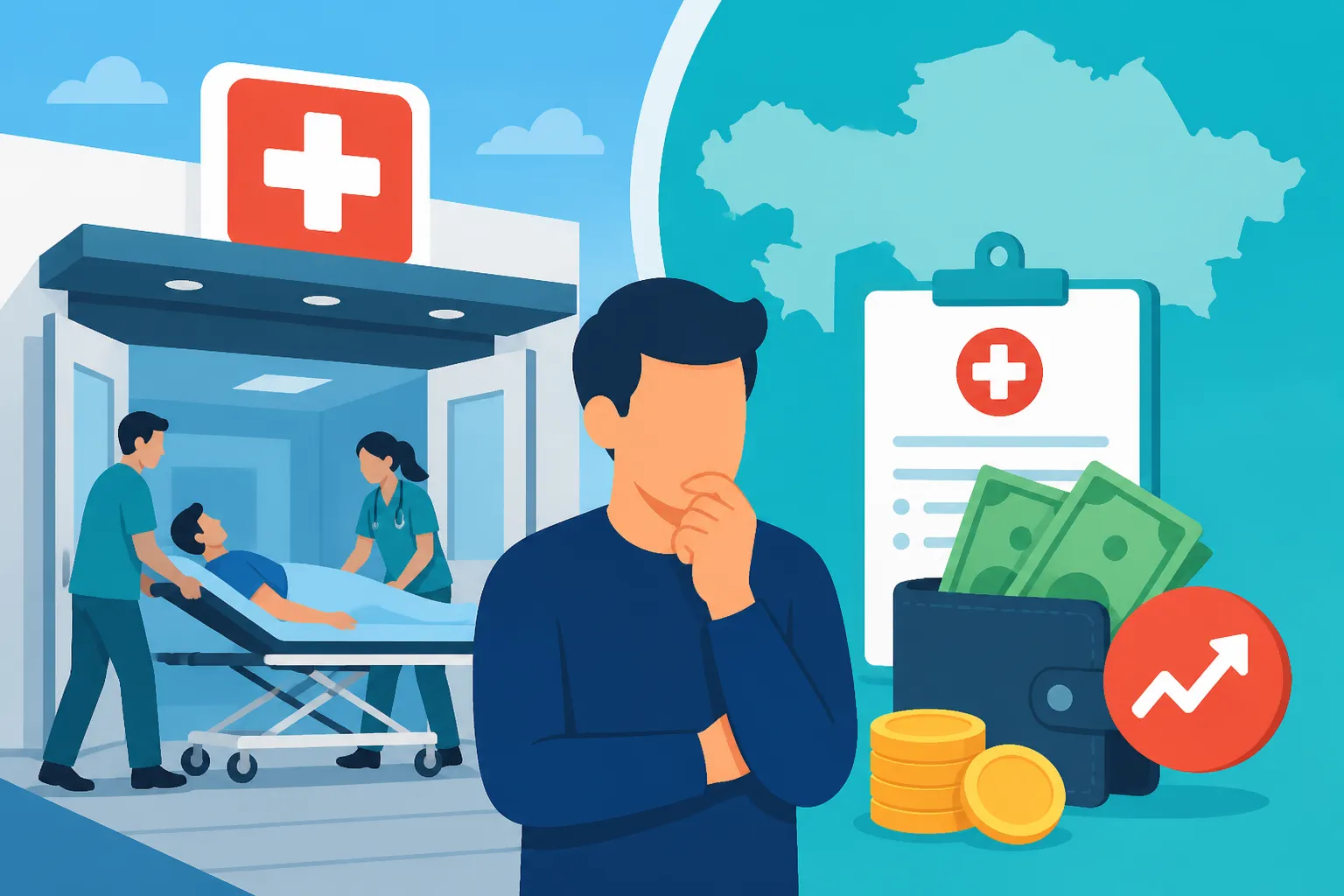
Let's be honest, getting sick or having an accident in a foreign country is one of the biggest expat nightmares. The thought alone can send shivers down your spine, especially when you start wondering, "How much is this going to cost me?" This guide is here to unravel the mystery of emergency room visit costs in Kazakhstan, offering a realistic look at what you can expect when urgent medical attention is needed and providing practical advice to navigate the system without breaking the bank.
Understanding Emergency Medical Care in Kazakhstan
Navigating a medical emergency in a new country is inherently stressful. Kazakhstan's healthcare system offers both public and private options, and understanding how they function in an emergency is crucial for your peace of mind and your wallet. It's not always as straightforward as back home, and being prepared can make all the difference.
Public Emergency Services 103 and 112
When you dial 103 in Kazakhstan, you're reaching the public ambulance service, known as Skoraya Pomoshch. This service is primarily designed for serious, life-threatening emergencies. If you're covered by the Compulsory Social Health Insurance (OSMS), which most officially employed expats are, the ambulance service and subsequent emergency treatment at a public hospital should be covered. However, the reality on the ground can sometimes be a little different, especially regarding the speed of response or the level of English spoken by staff.
The 112 number is the general emergency line, which can connect you to police, fire, and medical services. For medical emergencies, it will likely route you to the 103 service. Public ambulances, while free for OSMS holders, might not always be equipped with the most advanced medical technology you might be accustomed to in Western countries. They will generally take you to the nearest public hospital equipped to handle your specific emergency. For a deeper dive into what to expect, you might want to read about Emergency Medical Care in Kazakhstan: What Every Expat Needs to Know.
Private Emergency Clinics and Hospitals
For many expats, private clinics and hospitals are the preferred option for emergencies due to generally higher standards of care, English-speaking staff, and more modern facilities. In cities like Almaty and Astana, you'll find several reputable private facilities that cater to foreigners. These often have their own ambulance services or can arrange private transportation. While the quality of care is often excellent, it comes at a significant cost, especially if you don't have private health insurance.
Unlike public hospitals where OSMS theoretically covers everything, private facilities will almost always require upfront payment or a guarantee of payment from your insurance provider before treatment begins, especially for non-life-threatening conditions. If you're a tourist or a new expat without local insurance, a solid international travel insurance plan, perhaps from a provider like SafetyWing, is absolutely essential. This type of insurance is designed to cover unexpected medical emergencies, including private ER visits, ensuring you get the best possible care without worrying about the immediate financial burden. They often have direct billing agreements with larger private hospitals, which can significantly ease the process during a stressful time.
What Influences the Cost of an ER Visit?
The cost of an emergency room visit in Kazakhstan isn't a fixed price. It's a spectrum, influenced by several factors that can quickly add up. Understanding these variables is key to estimating potential expenses and making informed decisions when faced with a medical emergency.
Your Insurance Coverage OSMS, Private, Travel
This is arguably the most significant factor determining what you'll pay out-of-pocket.
- OSMS (Compulsory Social Health Insurance): If you're formally employed in Kazakhstan, your employer contributes to OSMS on your behalf. With OSMS, most emergency services at public hospitals are covered. This means ambulance transport, consultations, diagnostics (X-rays, blood tests), and even hospitalization related to an emergency should be free at the point of service. However, OSMS typically doesn't cover private clinics or hospitals. If you opt for a private facility with only OSMS, you'll be paying the full cost yourself. If you're still figuring out your insurance situation, understanding How Kazakhstan's Health System Works: OSMS and Private Care Explained (2027) is a great first step.
- Private Health Insurance: Many expats wisely invest in private health insurance, either local or international. These plans often cover emergency visits to private clinics and hospitals, offering a wider choice of facilities and potentially better service. Your out-of-pocket cost will depend on your deductible, co-payment, and whether the clinic bills your insurance directly or requires you to pay and claim reimbursement later. Providers like SafetyWing are excellent for this, as they cater specifically to digital nomads and global travelers, offering comprehensive coverage that includes emergency care abroad. Make sure you understand the specifics of your plan before an emergency strikes. For more on this, check out Understanding Private Health Insurance Plans in Kazakhstan.
- Travel Insurance: For tourists or those on short-term stays, travel insurance is your primary safety net. It's crucial that your policy covers emergency medical treatment and evacuation. Without it, you're entirely responsible for all costs, which can quickly become prohibitive. Always keep your policy details readily accessible. Don't forget, even if you have OSMS or private insurance, a good travel policy can fill gaps, especially for unforeseen events while traveling outside your primary city of residence.
Type of Emergency and Required Treatment
Naturally, a minor cut requiring a bandage and antiseptic will cost significantly less than a suspected appendicitis requiring surgery and a multi-day hospital stay. The severity and nature of your emergency directly impact the cost through:
- Initial Consultation: Just seeing a doctor in the ER.
- Diagnostics: Blood tests, urine tests, X-rays, CT scans, MRIs, ultrasounds. These can be surprisingly expensive, especially in private clinics.
- Procedures: Stitches, minor surgery, casting a broken bone, medication administration.
- Medication: Any drugs prescribed or administered during your visit.
- Hospitalization: If you need to be admitted, daily room rates, nursing care, and ongoing treatment costs will accrue. The Cost of Healthcare in Kazakhstan: A Complete Breakdown for Foreigners (2026) offers a broader overview of various medical costs.
Hospital Category and Location
Just like anywhere else, the facility you choose or are taken to will affect the price.
- Public Hospitals: As mentioned, if you have OSMS, costs are generally covered. If you don't have OSMS, a public hospital will still treat you in an emergency but will bill you for services rendered. These cash prices are typically lower than private facilities.
- Private Clinics and Hospitals: These are almost always more expensive. They offer enhanced comfort, potentially faster service, and often English-speaking staff. Major cities like Almaty and Astana will have a wider range of private options, and costs can vary significantly even among them. A consultation fee alone at a top-tier private clinic can be comparable to a full minor emergency visit at a public hospital.
Typical Costs for Common ER Scenarios
Let's get down to some brass tacks. While it's impossible to give exact figures for every single scenario, here are some realistic ranges for common emergency room visits in Kazakhstan, assuming you are paying out-of-pocket without local OSMS or private insurance coverage. Remember, these are estimates and can fluctuate based on the specific facility, time of day, and additional services required.
Minor Injuries and Illnesses
This category includes things like sprains, small cuts, sudden fever, severe colds, stomach upsets, or minor infections. You walk in, get assessed, possibly receive some basic medication, and walk out.
- Public Hospital (without OSMS): Expect to pay for the doctor's consultation (maybe 5,000-15,000 KZT, or roughly $10-35 USD), plus any basic diagnostics like a rapid blood test (3,000-7,000 KZT, or $7-16 USD) or simple wound dressing (2,000-5,000 KZT, or $5-12 USD). Total could range from 10,000 KZT to 30,000 KZT ($23-70 USD).
- Private Clinic/Hospital: The initial consultation alone at a private facility in Almaty or Astana could be 15,000 KZT to 30,000 KZT ($35-70 USD). Add on basic diagnostics and treatment, and you're looking at a total of 30,000 KZT to 70,000 KZT ($70-160 USD), easily. This is where having a good private or travel insurance plan, like those offered by SafetyWing, really pays off, as these costs can quickly add up across multiple minor incidents.
Moderate Emergencies Requiring Diagnostics
This covers situations like suspected fractures, kidney stones, severe infections requiring IV antibiotics, or acute abdominal pain that might need imaging. These cases typically involve more extensive diagnostics and possibly observation for a few hours.
- Public Hospital (without OSMS): An ER visit here might include a doctor's consultation, X-rays (5,000-10,000 KZT, or $12-23 USD per shot), ultrasound (10,000-20,000 KZT, or $23-46 USD), more comprehensive blood work (5,000-15,000 KZT, or $12-35 USD), and potentially a few hours of observation with IV fluids or medication. Total costs could easily reach 50,000 KZT to 150,000 KZT ($115-345 USD).
- Private Clinic/Hospital: For the same scenario in a private setting, the costs escalate significantly. A CT scan could be 30,000-60,000 KZT ($70-140 USD), an MRI even higher at 50,000-100,000 KZT ($115-230 USD). Add in specialist consultations, lab tests, and treatment, and you could be looking at 150,000 KZT to 500,000 KZT ($345-1,150 USD) or more, especially if it involves a specialist and complex imaging.
Major Emergencies and Hospitalization
This category includes serious accidents, heart attacks, strokes, appendicitis requiring surgery, severe internal injuries, or conditions needing intensive care. These situations almost always lead to hospitalization.
- Public Hospital (without OSMS): If you're seriously ill or injured, a public hospital will treat you regardless of your ability to pay upfront, especially if your life is at risk. However, you will be billed later. A full course of treatment for a major emergency, including diagnostics, surgery, medication, and a stay in a regular ward, could range from 500,000 KZT to 2,000,000 KZT ($1,150-4,600 USD), depending on complexity and length of stay. ICU stays would, of course, be much higher.
- Private Hospital: For a major emergency leading to surgery and hospitalization in a top-tier private hospital, the costs can be staggering. We're talking about initial ER fees, multiple specialist consultations, advanced diagnostics, surgical fees (which can be hundreds of thousands to millions of KZT), daily ward charges (50,000-150,000 KZT per day or more, $115-345 USD+), medications, and post-operative care. A week-long hospitalization with surgery could easily run into 1,000,000 KZT to 5,000,000 KZT ($2,300-11,500 USD), potentially even higher for very complex cases or extended ICU care. This is truly where robust international private health insurance, or a comprehensive travel insurance policy, becomes an absolute non-negotiable lifesaver. Without it, you could face financial ruin. For details on how to manage payments, consider reading How Do I Pay for a Doctor Visit in Kazakhstan?.
Here's a quick summary of estimated out-of-pocket costs for ER visits in Kazakhstan:
| Emergency Type | Public Hospital (No OSMS) | Private Hospital/Clinic (No Insurance) |
|---|---|---|
| Minor Illness/Injury | 10,000 – 30,000 KZT ($23 – $70) | 30,000 – 70,000 KZT ($70 – $160) |
| Moderate Emergency (w/ Diag.) | 50,000 – 150,000 KZT ($115 – $345) | 150,000 – 500,000 KZT ($345 – $1,150) |
| Major Emergency (w/ Hosp.) | 500,000 – 2,000,000 KZT ($1,150 – $4,600) | 1,000,000 – 5,000,000+ KZT ($2,300 – $11,500+) |
Note: These are rough estimates for out-of-pocket payments without any insurance. Prices can vary significantly.
Navigating Payment and Insurance Claims
So, you've received emergency care. Now comes the part about settling the bill. This can be another source of stress, especially if you're not familiar with the local payment methods or insurance claim procedures.
How to Pay for Services
In public hospitals, if you're an OSMS holder, you usually won't need to worry about immediate payment for emergency services. If you don't have OSMS, you'll be billed, and payment can typically be made at the hospital's cash desk using cash or a bank card. They might require a deposit for more extensive treatment or hospitalization.
At private clinics and hospitals, upfront payment is common. They might ask for payment immediately after the consultation, or if you're admitted, a deposit covering the estimated initial costs.
- Cash (KZT): Always a safe bet, especially for smaller clinics or if their card machine is temperamental.
- Bank Card: Most reputable private clinics and hospitals accept major international credit and debit cards (Visa, Mastercard). However, it's always wise to confirm this before treatment if possible.
- Bank Transfer: For larger sums, a direct bank transfer might be an option, but this is less common for immediate ER services.
- Insurance Direct Billing: This is the golden ticket. If your private or travel insurance provider (like SafetyWing) has a direct billing agreement with the hospital, they will handle the payment directly, leaving you responsible only for any co-payments or deductibles. Always present your insurance card and policy details immediately upon arrival.
It's absolutely critical to get an itemized bill for all services rendered. Don't be shy about asking for this, even if it feels awkward in the moment. You'll need it for your insurance claim, and it helps you understand exactly what you're paying for.
Filing a Claim with Your Insurer
If you've paid out-of-pocket, the next step is to file a claim with your insurance provider. This process can sometimes feel like another bureaucratic hurdle, but it's essential for reimbursement.
- Gather All Documents: This includes the original itemized bill, proof of payment (receipts), the doctor's report, discharge summary (if hospitalized), and any diagnostic results. If you took an ambulance, get a report from them too. Ensure all documents are clearly legible and ideally in English, or be prepared to have them officially translated if your insurer requires it.
- Contact Your Insurer Immediately: Many insurance policies require you to notify them within a certain timeframe of an emergency. Do this as soon as you're able. They will guide you through their specific claims process.
- Submit Your Claim: Follow your insurer's instructions precisely for submitting documents. This might be online, via email, or by post.
- Keep Copies: Always, always keep copies of everything you submit, along with a record of who you spoke to and when.
Even with the best insurance, claiming reimbursement can take time. Patience and meticulous record-keeping are your best friends here. For more insights on this process, check out How to Claim Reimbursement from Private Insurance in Kazakhstan. While Kazakhstan's emergency care system can seem daunting, with the right information and preparation, you can navigate it effectively.
Disclaimer
Please remember that this article provides general information and estimates based on common expat experiences and publicly available data in Kazakhstan. Healthcare costs and regulations can change without prior notice. It is always recommended to verify information with official sources, your specific healthcare provider, and your insurance company. This guide is not a substitute for professional medical or financial advice.