How Do I Get a Same-Day Sick Note in Kazakhstan?
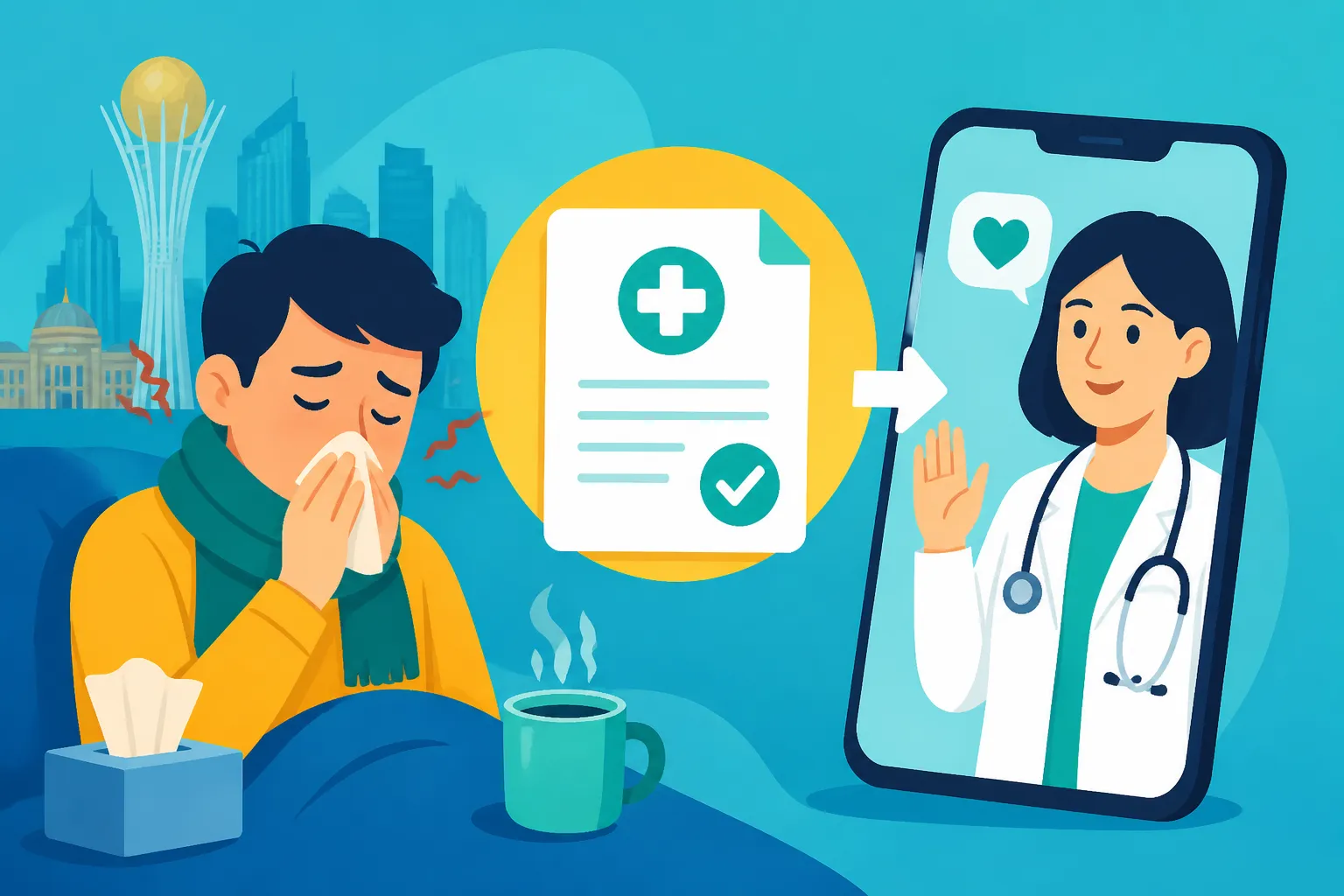
Oh, the joy of waking up feeling absolutely wretched in a foreign country and realizing you need a doctor's note for work or university. Believe me, I've been there, staring at the ceiling, trying to figure out if my headache is worse than the impending bureaucratic nightmare. Getting a same-day sick note in Kazakhstan can feel like navigating a maze, especially when you're under the weather and the clock is ticking. This guide will walk you through exactly how to get that official piece of paper quickly, minimizing your stress and getting you back to resting.
Understanding Sick Notes in Kazakhstan: What Are They For?
A sick note, or bolnichny list (больничный лист) as it's often called here, is more than just a polite excuse. It's an official medical document confirming your inability to work or attend classes due to illness or injury. In Kazakhstan, these aren't taken lightly, and understanding their purpose and format is your first step to navigating the system effectively.
Why You Might Need a Sick Note
The reasons for needing a sick note are pretty universal, but the consequences of not having one can be particularly impactful in a foreign work or study environment.
Firstly, and most commonly, it's for work leave. Most employers in Kazakhstan, especially larger companies or those with a formal HR structure, will require a legitimate sick note for any absence due to illness lasting more than a day or two. This isn't just about proving you were sick; it's often tied to your legal entitlement to paid sick leave under Kazakhstani labor law. Without it, your absence might be considered unauthorized, potentially affecting your pay or even your employment record. It’s definitely worth Understanding Sick Leave Entitlements Under Kazakhstani Labour Law early on in your expat journey.
Then there's university attendance. If you're here as a student, your university will almost certainly demand a medical certificate for any missed classes or exams. Again, it’s not just a formality; it's often required to avoid academic penalties or to reschedule important assessments.
For those unexpected trips or situations, a sick note can be crucial for travel insurance claims. Imagine you're about to fly out for a much-anticipated holiday, and suddenly, you're hit with a nasty flu. If you have to cancel your trip, your travel insurance, perhaps from a provider like SafetyWing, will typically require official medical documentation to process your claim for lost expenses. No note, no claim, simple as that.
Finally, there are legal and administrative reasons. Sometimes, a court appearance or another official obligation might need postponement due to illness. A sick note serves as formal proof that your absence was medically necessary and beyond your control. Falling ill without this documentation can put you in a tough spot with local authorities, which is the last thing any expat wants.
The Official Document: What Does a Kazakhstani Sick Note Look Like?
When you finally get your hands on a sick note, it won't just be a scrap of paper scribbled with "sick." A legitimate Kazakhstani sick note is a formal medical certificate. It typically comes on an official form or clinic letterhead, clearly stating the name of the medical institution, your personal details (full name, IIN – Individual Identification Number), the dates of your illness (when you were incapacitated), and crucially, a diagnosis. It will also feature the doctor's signature and personal stamp, as well as the official seal of the clinic.
In some cases, especially with the push towards digitalization, clinics might issue an electronic sick note through the national healthcare system, which your employer can then access or verify. However, for expats, it's always safest to request a physical, stamped copy, as not all employers or institutions are fully integrated or might prefer a tangible document. Don't leave the clinic without confirming you have all the necessary stamps and signatures; they are vital for its validity. A simple informal note won't cut it for official purposes; you need that formal medical certificate.
Navigating the System for a Same-Day Sick Note
Alright, so you need a sick note, and you need it today. This is where strategy comes into play, because while the public system is available, it might not be your fastest option for same-day service.
Public Poliklinika: The Traditional Route and Its Challenges for Same-Day
The public healthcare system in Kazakhstan, centered around poliklinikas (polyclinics), is the primary point of contact for most residents. To use it, you generally need to be registered with a specific clinic and have your OSMS (Compulsory Social Health Insurance) active. If you're not already registered, you might want to look into How to Choose and Register with a Clinic (Poliklinika) in Kazakhstan and How to Register for OSMS Health Insurance in Kazakhstan (2027). The public system can be very affordable, often covered by your OSMS contributions, but getting a same-day sick note can be tricky.
The biggest hurdle here is the appointment system vs. walk-in culture. For non-emergencies, you're usually expected to schedule an appointment. While some poliklinikas might have a 'duty doctor' (dezhurny vrach) who sees walk-ins, they are often overwhelmed, leading to long wait times. Picture yourself, feeling truly miserable, sitting in a crowded waiting room for hours, possibly surrounded by others coughing and sneezing. It's not ideal, and there's no guarantee you'll be seen, diagnosed, and have your note issued all in the same day, especially if it requires further tests.
Then there's the language barrier. While some doctors in public facilities might speak basic English, it's far from guaranteed. Trying to explain your symptoms in detail and understand the doctor's instructions through a translator app or broken Russian/Kazakh can add a significant layer of stress when you're unwell. This alone can delay the process.
Realistically, the typical timeline for getting a sick note from a public poliklinika is usually not same-day unless your condition is clearly an acute emergency that gets you fast-tracked. For a standard cold or flu, you might see a doctor today, but the sick note itself, especially if it's for multiple days, might require a follow-up visit or collection on a subsequent day, negating your "same-day" goal.
Private Clinics: Your Best Bet for Expediency
When time is of the essence and you need a sick note now, private clinics are almost always your best bet in Kazakhstan. They are designed for convenience, speed, and often, a higher level of patient comfort.
The advantage of private clinics for same-day service is their flexibility and accessibility. Many private clinics offer walk-in appointments for general practitioners, or at the very least, can squeeze you in relatively quickly if you call ahead. They usually have more doctors on staff and better administrative support to handle requests efficiently.
Of course, this expediency comes with cost implications. A private doctor's visit will be an out-of-pocket expense. The cost can vary, but expect to pay anywhere from 8,000 to 20,000 KZT for a consultation, depending on the clinic and the doctor's specialization. This is where private health insurance, if you have it, can come in handy. If you have international private health insurance, or even travel insurance like SafetyWing (which covers acute illnesses), you might be able to claim reimbursement, though you'll likely pay upfront. Make sure to get a detailed receipt and diagnosis from the clinic for your claim. It's good to be aware of Understanding Out-of-Pocket Healthcare Costs and Co-Payments in Kazakhstan.
A significant benefit of private clinics for expats is the higher likelihood of finding English-speaking doctors. Many private institutions cater to the expat community and have multilingual staff. Clinics such as Mediker, Interteach, or SOS Medical Assistance (which also offers emergency medical services) are well-known in major cities like Almaty and Astana for their expat-friendly services. When you call, always ask specifically if they have an English-speaking doctor available. For more options, you can check out How to Find an English-Speaking Doctor in Kazakhstan and How to Use Major Hospitals and Clinics in Almaty.
The process at a private clinic is usually straightforward. You call or walk in, register at the reception (bringing your passport and IIN), pay for your consultation, and then you'll be directed to a doctor. After the consultation, explain clearly that you need a sick note (bolnichny list) and specify the dates. They are usually well-versed in issuing these documents on the spot.
What to Bring and What to Expect
Even when you're feeling unwell, a little preparation can go a long way in making the process smoother. Knowing what documents to bring and what to expect during your consultation can save you time and frustration.
Essential Documents and Information
Before heading to the clinic, gather these vital pieces of information and documents:
First and foremost, your passport or official ID. This is crucial for identification and registration, regardless of whether you're using a public poliklinika or a private clinic. They need to verify who you are to create your medical record.
Next, your IIN (Individual Identification Number). This unique 12-digit number is your lifeblood in Kazakhstan for most administrative processes, including healthcare. If you don't have one, or can't remember it, explain this at reception. They might be able to help, but having it ready will definitely speed things up. Need to know more about this crucial number? There's a lot of useful info on What Documents Do I Need to See a Doctor in Kazakhstan?.
Have your insurance details on hand. If you're covered by OSMS, bring your confirmation or remember your IIN, as that's usually how they track it. If you have private health insurance, bring your insurance card or policy number. For travel insurance (like SafetyWing), have the policy details available in case the clinic needs to verify coverage or you need to submit a claim later. They might not process the claim directly, but the information will be essential for your records.
Finally, be prepared to give a clear explanation of your symptoms. Even if there's an English-speaking doctor, having your symptoms mentally organized (when they started, what they feel like, any relevant medical history) will make the consultation more efficient. If you anticipate a language barrier, it’s a good idea to write down your symptoms and questions beforehand, perhaps using a translation app.
The Consultation and Getting Your Note
Once you're in with the doctor, the process is quite similar to what you'd experience anywhere else, but with a few local nuances.
A typical doctor's visit will involve the doctor asking about your symptoms, taking your temperature, blood pressure, and performing a basic physical examination. Be as specific as possible about how you're feeling, what remedies you've tried, and any allergies or existing medical conditions.
Based on their assessment, the doctor will provide a diagnosis and treatment plan. This might include prescription medications, recommendations for rest, or further tests if your condition warrants it. It's vital to listen carefully to their advice and ask any questions you have about your treatment.
This is the critical juncture: requesting the sick note. Explicitly state that you need a bolnichny list for your employer or educational institution. Specify the dates you believe you'll be unfit for work/study. The doctor will determine the appropriate duration based on your diagnosis. Don't be shy; clearly communicate your need for this official document.
The verification process for the note involves the doctor filling out the official form, signing it, and stamping it with their personal seal and the clinic's official seal. Double-check that all information is correct: your name, IIN, the dates, and the clinic's details. Once you have this, you're good to go. Remember to clarify if you need to return for any follow-up appointments or to extend your sick leave.
Important Considerations and Potential Pitfalls
While getting a same-day sick note is definitely achievable, there are a few important things to keep in mind to avoid unexpected problems.
Understanding Sick Leave Entitlements and Employer Policies
Just because you have a sick note doesn't mean your employer's policies or your sick leave entitlements will automatically align with your expectations. Kazakhstan has specific labor laws regarding sick leave, and while a sick note is the official requirement, how your company processes it can vary.
Under Kazakhstani labor law, employees are generally entitled to paid sick leave, but the duration and payment structure can depend on various factors, including your employment contract and social security contributions. It’s always best to be familiar with the specifics laid out in Understanding Sick Leave Entitlements Under Kazakhstani Labour Law. Your company-specific policies for expats might also have additional guidelines. Some international companies might have different internal rules for reporting illness or submitting sick notes. Always clarify this with your HR department as soon as you can.
The importance of communicating with your employer immediately cannot be overstated. Even if you're rushing to get a sick note, a quick call or message to your manager or HR to inform them of your illness is crucial. This shows professionalism and allows them to make necessary arrangements. Follow up with the sick note as soon as you receive it.
When a Sick Note Might Not Be Same-Day
While private clinics significantly increase your chances of a same-day sick note, there are still scenarios where it might not be possible.
- Complex diagnoses requiring further tests: If your symptoms point to something more serious that requires lab work (blood tests, X-rays) or specialist consultation, the doctor might not be able to issue a definitive sick note on the spot. They might give you a preliminary note, but often the full duration or exact diagnosis will depend on test results, which can take a day or two.
- Weekend or public holiday limitations: Medical services, especially for routine consultations, are reduced on weekends and public holidays. While emergency clinics and some private facilities will be open, getting a non-urgent appointment for a sick note can be harder and take longer. If you fall ill on a Friday evening, be prepared for potential delays until Monday. Remember, Emergency Medical Care in Kazakhstan: What Every Expat Needs to Know is always available, but it might not be the right place for a routine sick note.
- Difficulty securing an immediate appointment: Even the best private clinics can get busy. If you don't call ahead, or if you're in a smaller town, you might struggle to find an immediate slot, pushing your sick note collection to the next day.
- Emergency room visits: If your condition is severe enough to warrant an emergency room visit (call 103 for an ambulance, or 112 for general emergencies, as detailed in Understanding Emergency Numbers (103 and 112) and Ambulance Care in Kazakhstan), they will prioritize life-saving treatment over paperwork. While they will document your visit and diagnosis, they might not issue a comprehensive sick note for extended leave unless you are admitted to the hospital. You might need to follow up with a general practitioner at a poliklinika or private clinic afterward to get the full bolnichny list.
Understanding these nuances of How Kazakhstan's Health System Works: OSMS and Private Care Explained (2027) and the differences between Public vs Private Healthcare in Kazakhstan: What Expats Need to Know is crucial for expats. Being proactive and knowing your options can save you a lot of headache (pun intended!) when you're feeling your worst.
Here’s a quick overview to help you weigh your options for that same-day sick note:
| Feature | Public Poliklinika (OSMS Covered) | Private Clinic (Out-of-Pocket/Private Insurance) |
|---|---|---|
| Cost | Low/Free (if OSMS active) | Moderate to High (8,000 – 20,000+ KZT per consultation) |
| Speed (Same-Day Note) | Unlikely for non-emergencies; long wait times, appointment needed. | Most likely; walk-ins possible, faster appointments. |
| Language Support | Limited English speakers; Russian/Kazakh often necessary. | Higher chance of English-speaking doctors and staff. |
| Comfort/Facilities | Basic facilities, often crowded. | Modern facilities, less crowded, higher patient comfort. |
| Registration | Requires prior registration with a specific clinic and OSMS. | Register on arrival, minimal paperwork beyond ID/IIN. |
| Documents Needed | Passport, IIN, OSMS details. | Passport, IIN, insurance details (if claiming). |
| Emergency Coverage | Yes, for acute emergencies. | Yes, some offer emergency services or refer to emergency hospitals. |
Disclaimer
The information provided in this guide is for general informational purposes only and does not constitute medical, legal, or professional advice. While we strive to keep the information up-to-date and accurate, regulations and procedures in Kazakhstan can change rapidly. Always consult with a qualified healthcare professional for medical advice and refer to official government sources or legal professionals for the most current administrative and legal guidance.