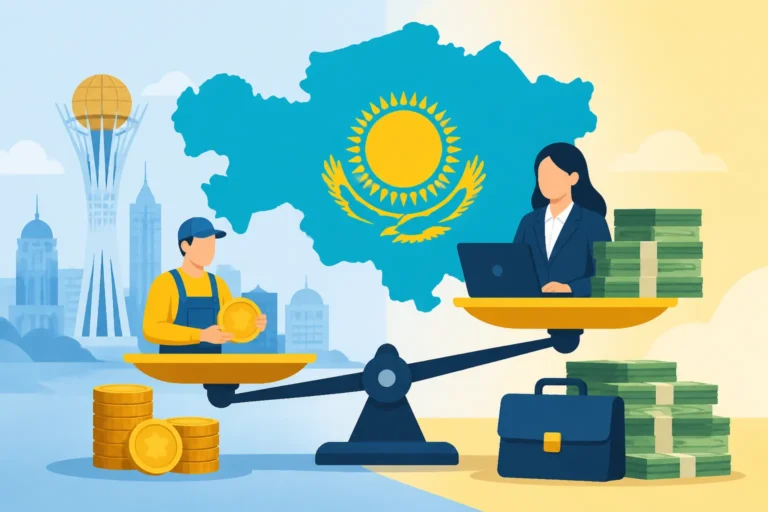
Can International Students Work Part-Time in Kazakhstan?
The dream of studying abroad in Kazakhstan is exciting, isn't it? You arrive, settle in, and soon enough, the reality hits: student budgets can be incredibly tight. Many international students, myself included back in the day, look for ways to earn a little extra cash to cover daily expenses or simply enjoy a richer experience. But the big question always looms: Can international students actually work part-time in Kazakhstan without running into legal trouble? This guide is here to untangle those complicated rules and shed some light on your options.
The Foundations: Understanding Student Visa and Residence Permit Limitations
Let’s be honest, the immigration rules here in Kazakhstan can feel like navigating a steppe in a sandstorm – confusing and full of unexpected turns. When you first arrive as an international student, your primary purpose, according to the government, is to study. This crucial point forms the basis of whether you can officially work.
Your Visa and Residence Permit: What They Really Mean for Work
When you successfully apply for a student visa and subsequently a How to Apply for a Student Visa and Residence Permit in Kazakhstan here, it’s specifically tied to your enrollment in an educational institution. Unlike some countries where student visas explicitly grant a certain number of working hours, Kazakhstan’s general rule is a bit more restrictive. Typically, a standard student visa or residence permit does not automatically grant you the right to undertake gainful employment.
What does this mean in practice? It means you can't just walk into a cafe, apply for a barista job, and expect to get a work permit issued based solely on your student status. The process for obtaining a general work permit in Kazakhstan is usually employer-sponsored and can be quite complex, involving quotas, justification for hiring a foreigner over a local, and significant administrative hurdles. For part-time, casual student work, employers are rarely willing to go through this extensive and costly process. It's a tough pill to swallow when you're just trying to make ends meet, but it's the reality of the system here. Always remember that your university and the local Migration Service are the ultimate authorities on your status and any permissions you might seek. Understanding the Role of the Migration Service in Kazakhstan is paramount.
The University's Pivotal Role in Your Work Journey
Your university isn't just a place for lectures and exams; it's a key player in your legal status in Kazakhstan. They are the ones who sponsored your student visa and residence permit in the first place, and they have certain responsibilities to ensure you comply with immigration laws. This means any potential work opportunities, even if they seem minor, should ideally be discussed with your university’s international student office or equivalent department.
Sometimes, universities have specific policies or limited programs that allow international students to work within the university itself. This could be anything from being a teaching assistant, a research assistant, or working in the library or cafeteria. These roles are usually explicitly tied to your student status and often have a more straightforward approval process, as the university is directly overseeing your employment. However, even these internal roles might still require some formal registration or acknowledgment from the authorities, so never assume. Always consult with your academic advisor or the international student support team before taking on any role, even if it feels informal. They can provide the most accurate and up-to-date information on what is permissible under your specific enrollment and visa type. Don't underestimate their knowledge – they've seen many students try to navigate this maze before you.
Exploring Legal Avenues and Common Income Streams for Students
So, if traditional part-time employment is a no-go, what are your options? Don’t despair! Many international students find legitimate ways to earn income, often by leveraging their unique skills or looking for opportunities that exist outside the strict 'employee-employer' framework.
Official Work Through University-Endorsed Programs
As mentioned, your university is often your best bet for official, legally sanctioned work. These opportunities are usually limited but can be invaluable.
- University Assistantships and On-Campus Jobs: Some Kazakhstani universities, especially those with larger international student bodies like KIMEP University in Almaty or Nazarbayev University in Astana, might offer internal positions. These could include roles as laboratory assistants, language tutors for local students learning English, or administrative support within various departments. These positions are often created with international student limitations in mind, meaning the university helps ensure compliance with local regulations. The pay might not make you rich, but it provides a steady income and invaluable experience.
- Internships Related to Your Studies: While many internships in Kazakhstan, particularly for students, can be unpaid, some larger international companies or even local businesses might offer paid internships. If the internship is a mandatory part of your academic program, or if your university has a formal agreement with the company, there might be a pathway to legalizing this work. It's crucial that any such internship aligns directly with your field of study and is formally recognized by your university. This makes it less of a 'job' and more of an educational experience, which can sometimes skirt the stringent work permit requirements for general employment. Always check with your faculty and the international office if a specific internship opportunity has official backing. This can be a great way to gain experience and potentially earn some money.
Freelancing and Remote Opportunities: Navigating the Grey Areas
Many international students in Kazakhstan find their financial independence through online freelancing or remote work. This path often exists in a bit of a grey area, but when managed correctly, it can be a practical solution.
- Online Platforms and Global Clients: The beauty of the internet is that it removes geographical barriers. You can offer your skills – whether it's web design, content writing, translation, or virtual assistant services – to clients anywhere in the world. Platforms like Upwork, Fiverr, or specific job boards for remote work are popular choices. The key here is that you are technically working for foreign clients, and the income is often paid into an international bank account or a digital wallet. This means you’re not directly competing in the Kazakhstani labor market. However, it's still essential to understand your tax obligations, both in Kazakhstan and potentially in your home country. Even if the income isn't sourced locally, you might still need to declare it. For this, resources like "Taxes for Expats" can be incredibly helpful in understanding your global tax situation while living in Kazakhstan.
- Language Tutoring (Online or Informal): If you’re a native English speaker, or fluent in another in-demand language, online language tutoring is a fantastic option. Platforms like iTalki or Preply connect you with students globally. Similarly, you might find informal opportunities to tutor local Kazakhstani students in English or other subjects. While these often operate under the radar, it's a common and generally accepted way for foreigners to earn a bit of extra cash. For larger, more consistent earnings, formalizing this through an Individual Entrepreneur (IP) registration might be necessary, which then brings you into the tax system. This path can be more complex and usually requires a different type of residence permit if it becomes your primary income source, so tread carefully if you plan to make it a substantial earning. You’ll definitely want to look into How to Become a Freelancer Legally in Kazakhstan if you go down this route seriously.
Here’s a quick overview of some common income avenues and their general implications:
| Income Avenue | Legality (Official Status) | Ease of Access | Income Potential | Key Considerations |
|---|---|---|---|---|
| University On-Campus Jobs | Generally legal, endorsed by the institution. | Low to Moderate (limited positions, competitive) | Low to Moderate (hourly wages) | Requires university approval, might be few openings. |
| Paid Internships (University-linked) | Can be legal if formally recognized by university and company. | Moderate (depends on field and company availability) | Low to Moderate (stipend or hourly) | Must be relevant to studies, often competitive. |
| Online Freelancing (Foreign Clients) | Grey area; generally accepted if not impacting local market. | High (many platforms, diverse skills) | Moderate to High (skill-dependent) | Tax implications for foreign income, requires self-discipline. |
| Informal Language Tutoring (Local) | Grey area; usually small scale, operates 'under the radar'. | High (word-of-mouth, online ads) | Low to Moderate (hourly rates) | Risk of scrutiny if substantial; cash-based, difficult to declare. |
| Official Part-Time Employment (Local) | Generally not allowed on a student visa without separate work permit. | Very Low (complex work permit process for employer) | Moderate | High legal risk for both student and employer, rarely viable. |
The Nitty-Gritty: IIN, Taxes, and Staying Compliant
No matter how you plan to earn money, even if it's just a little bit, there are administrative realities you simply cannot ignore in Kazakhstan. Ignoring them can lead to serious headaches down the road.
The Individual Identification Number (IIN) and Your Financial Footprint
Before you even think about earning, you absolutely must have an IIN (Individual Identification Number). Think of it as your unique ID for anything official in Kazakhstan, including banking, taxes, and even receiving a salary. Without an IIN, you can’t open a local bank account, receive payments legally from a Kazakhstani entity, or deal with any tax obligations. It's foundational. If you haven't already, make it a priority to get yours. You can find detailed steps on How to Get an IIN (Individual Identification Number) in Kazakhstan.
Even for remote work where payments might go to an international account, having an IIN is crucial if you ever plan to move that money into Kazakhstan or engage in any local financial activity. It's your digital fingerprint in the Kazakhstani system.
Understanding Your Tax Obligations
This is where things can get a bit murky, and it's vital to be clear. If you earn income in Kazakhstan, even through legitimate university-approved channels or if your online freelancing income starts becoming substantial, you will likely have tax obligations. Kazakhstan has a flat 10% individual income tax rate, which sounds simple enough, but the rules for foreigners, especially those with mixed income sources, can be intricate.
As a non-resident for tax purposes (which many students will be, unless they spend more than 183 days in the country and establish other ties), you might still be liable for taxes on Kazakhstan-sourced income. If you're freelancing for foreign clients, the tax implications can depend on various factors, including double taxation agreements between Kazakhstan and your home country. Honestly, this isn't something to guess at. It’s always best to consult with a tax specialist or use resources like "Taxes for Expats" to ensure you understand your specific situation. They can help you navigate the nuances of Understanding Income Tax and the Flat 10% Rate in Kazakhstan (2026) and avoid any nasty surprises. Remember, ignorance of the law is not an excuse, and while the authorities might not chase after a student making a few dollars tutoring, consistent, undeclared income can become a significant issue. For a broader view, check out The Complete Guide to Taxes in Kazakhstan for Expats (2027).
Weighing the Risks and Rewards: Critical Considerations
It's tempting to think that you can just 'fly under the radar' while studying, especially when every tenge counts. But experience shows that situations can go sideways, so we know that understanding the risks is just as important as knowing your options.
The Perils of Unauthorised Work: What You Need to Know
Engaging in unauthorized work in Kazakhstan carries real risks, both for you and for any employer who might hire you informally. The Kazakhstani authorities, particularly the Migration Service, are vigilant about ensuring foreigners comply with their visa conditions.
- Fines and Penalties: If caught working without the proper authorization, you could face significant fines. The employer could also face even heftier penalties for hiring a foreigner illegally.
- Deportation and Future Visa Bans: This is the most severe consequence. Working illegally can lead to deportation, which means being removed from the country and potentially banned from re-entering Kazakhstan, or even the wider region, for a period. This could severely impact your academic journey and future career prospects. Imagine spending all that time and effort getting your The Complete Guide to Studying at a Kazakhstani University (2027) only to have it cut short.
- Reputational Damage: While perhaps less tangible, having a black mark on your immigration record can impact future visa applications for other countries, not just Kazakhstan. It's a risk that most students simply can't afford to take.
My advice? Always err on the side of caution. If an opportunity feels too good to be true, or if an employer seems unwilling to discuss official paperwork, it's a huge red flag.
Balancing Academics with Financial Needs
Let’s be real – you’re here to study. Trying to juggle a demanding academic schedule with part-time work can be incredibly challenging. While earning extra cash can certainly ease financial stress, it shouldn't come at the expense of your education.
- Academic Performance: Your primary goal is to succeed in your studies. If working too many hours affects your grades, attendance, or ability to focus, it defeats the purpose of being an international student. Universities monitor academic progress, and poor performance could jeopardize your student status.
- Well-being and Social Life: Expat life can be isolating, and university life demands energy. Overworking can lead to burnout, stress, and missing out on the rich cultural experiences and social connections that make studying abroad so special. Remember, The Complete Guide to Cost of Living in Kazakhstan for Expats (2026) is generally lower than many Western countries, so a little extra income can go a long way without needing to burn yourself out.
- Time Management: Develop strong time management skills. Prioritize your studies, allocate specific hours for work, and ensure you have downtime. If you find yourself struggling, reach out to your university for support. They often have resources for students facing financial or academic difficulties. Sometimes, applying for a How to Apply for a Scholarship at a Kazakhstani University can alleviate some of the financial burden, allowing you to focus on your studies rather than working.
Smart Financial Planning and Budgeting
Living in a new country can be expensive, even if Kazakhstan is generally more affordable than many Western nations. Effective budgeting can reduce the pressure to find part-time work, allowing you to make more thoughtful decisions about your income streams.
- Estimate Your Expenses: Before you even consider working, create a realistic budget for your living expenses, tuition, transportation, and discretionary spending. Factor in everything from rent (check out How Much Does It Cost to Rent an Apartment in Almaty in 2026?) to your daily beshbarmak fix.
- Seek Support: Don't be afraid to explore financial aid options, scholarships, or bursaries offered by your university or external organizations. Many institutions understand the financial challenges international students face.
- Emergency Fund: Try to build a small emergency fund. Having a safety net can reduce the stress of needing to earn money immediately and prevent you from taking on risky, unauthorized work. Remember, moving to Kazakhstan legally from abroad means having enough funds to support yourself, as detailed in Understanding How to Move to Kazakhstan Legally from Abroad (2027)).
Ultimately, while the desire to work part-time as an international student in Kazakhstan is completely understandable, it's a path that requires careful navigation, a deep understanding of the local rules, and a strong commitment to staying compliant. Prioritize your studies, seek legitimate opportunities, and always, always consult official sources – your university and the Migration Service – to ensure your journey in Kazakhstan is smooth and successful.
Disclaimer
Please note that immigration laws and regulations in Kazakhstan can change. The information provided in this article is intended for general guidance only and does not constitute legal or financial advice. Always consult with the relevant government authorities, your university's international office, or a qualified legal professional for the most up-to-date and personalized advice regarding your specific situation as an international student in Kazakhstan.