How Do I Apply for a Language Programme in Kazakhstan?
So, you've landed in Kazakhstan, settled into the rhythm of expat life, and now you're feeling that undeniable pull to truly connect with the local culture, aren't you? Maybe you're tired of relying on translation apps or just want to understand the friendly banter in the bazaar. Applying for a language program here can feel a bit like navigating a maze blindfolded at first glance, but trust me, it’s completely doable. This guide will walk you through everything you need to know, from choosing the right program to the nitty-gritty of the application process, so you can confidently embark on your language learning journey.
Why Learning a Local Language in Kazakhstan is a Game-Changer
When I first arrived, I thought English would get me by, and for basic transactions in Almaty or Astana, it often does. But the moment I started grappling with a few phrases in Kazakh and Russian, the country truly opened up. It’s more than just communication; it’s about respect, connection, and unlocking a deeper understanding of this incredible place. It elevates your entire experience from being a tourist to feeling like a genuine part of the community.
Cultural Immersion and Daily Life Transformation
Imagine being able to chat with your babushka neighbour, understand the lyrics of a popular Kazakh song, or even just order your beshbarmak exactly how you like it without resorting to pointing and gesturing. These small victories are incredibly rewarding. Learning the local language breaks down invisible barriers and allows you to participate more fully in daily life. You’ll find locals are incredibly appreciative of the effort, often showering you with extra help or a warmer smile. It changes mundane errands into genuine interactions and gives you access to a rich tapestry of conversations and experiences that remain hidden to non-speakers. From understanding public transport announcements to engaging in lively discussions at a local cafe, every aspect of your life here becomes richer and more nuanced.
Career and Networking Opportunities Unlocked
Beyond the personal enrichment, language skills are a serious asset here. Many international companies value employees who can bridge the linguistic gap, and for those looking to work with local businesses or even venture into entrepreneurship, a grasp of Kazakh or Russian is often essential. It demonstrates a commitment to your adopted home and can significantly boost your career prospects. Networking becomes easier too; you’re not just relying on the expat bubble, but can connect with a broader range of professionals and community leaders. I've seen countless expat friends find incredible opportunities simply because they took the time to learn the language, setting themselves apart in a competitive market. It shows initiative and a genuine desire to integrate, which is highly respected in the Kazakhstani professional environment, whether you're in the oil and gas sector or the burgeoning tech scene.
Exploring the Language Programme Landscape in Kazakhstan
Kazakhstan offers a surprising array of options for language learners, from intensive university courses to flexible private lessons. Knowing what’s out there will help you choose the path that best suits your learning style, schedule, and budget. It’s not just one-size-fits-all, and finding your fit is key to long-term success.
University-Based Language Programmes
For those serious about a deep dive into Kazakh or Russian, university programmes are often the most comprehensive. Institutions like Al-Farabi Kazakh National University (KazNU) in Almaty or Eurasian National University (ENU) in Astana offer structured courses, usually running for a semester or an academic year. These are often geared towards international students, providing not just language instruction but also cultural context. You’ll get formal certification, access to university resources like libraries, and the benefit of a structured academic environment. The learning is often intensive, typically involving multiple hours of classes a day, complemented by homework and cultural activities. This route is excellent for those who appreciate academic rigour and want to build a very strong foundational understanding. If you're considering this, you'll want to read up on "The Complete Guide to Studying at a Kazakhstani University (2026)" to understand the broader academic landscape.
Applying to a university program usually involves submitting academic transcripts, your passport, and often a motivation letter. Deadlines can be strict, so it’s crucial to research each university’s specific requirements well in advance. Keep in mind that securing a student visa is a separate but intertwined process if you plan to study long-term. Universities are generally well-versed in assisting international students with this, but it’s still your responsibility to ensure all immigration requirements are met. You might find useful information in the guide on "How to Apply for a Student Visa and Study in Kazakhstan: The Full Guide (2026)".
Private Language Schools
If the idea of a full university semester feels a bit too formal or rigid, private language schools offer much more flexibility. You'll find these primarily in larger cities like Almaty and Astana. Schools often provide a range of courses:
- Group classes: These are typically more affordable and great for meeting other expats. Class sizes vary, and most schools offer different levels, from absolute beginner to advanced.
- Individual tutoring: Perfect if you have specific learning goals, a tight schedule, or prefer one-on-one attention. This can be tailored entirely to your needs, whether you want to focus on business Russian or conversational Kazakh for daily errands.
- Intensive courses: Often short, immersive programmes designed to get you speaking quickly. Ideal for those with limited time or who need to hit the ground running.
Popular private schools might include places like Lingua, British Council (though more focused on English, they sometimes have partner programs or resources), or various smaller local centers. A quick online search for "language schools Almaty" or "Russian lessons Astana" will give you plenty of current options. These schools usually have rolling admissions or new classes starting every few weeks, making them much more accessible for expats who might arrive mid-year. They are also often more flexible with payments and scheduling, which can be a huge relief when you’re already juggling a new life abroad.
Independent Tutors and Online Resources
For many expats, a private tutor or online learning offers the perfect blend of flexibility and personalized attention. Finding an independent tutor can be done through expat groups on social media, word-of-mouth, or local classifieds. This approach allows you to set your own pace, choose your curriculum, and often negotiate rates directly.
Online platforms have also become a lifesaver for many of us. Sites like iTalki connect you with native speakers for one-on-one lessons via video call, allowing you to learn from anywhere, often at very reasonable prices. It's a fantastic way to supplement formal classes or to get started before you even arrive in Kazakhstan. I've used iTalki myself to practice conversational Kazakh, and the flexibility is unbeatable. It means you can fit lessons around your work schedule, your kids’ school runs, or even while traveling. Plus, with online resources, you can often try a few different tutors to find the one whose teaching style truly resonates with you without a major commitment. Many tutors on iTalki are also experienced in teaching foreigners, understanding common pitfalls and tailoring their approach to your background.
| Program Type | Structure | Flexibility | Cost (Approx. KZT per hour) | Best For |
|---|---|---|---|---|
| University Programs | Semester/Year-long, intensive | Low | 1,500 – 3,000 | Academic rigour, formal certification, visa support |
| Private Group Classes | Weekly, fixed schedule | Medium | 2,000 – 4,000 | Social learning, structured progression |
| Private Individual | Flexible, tailored | High | 4,000 – 8,000 | Specific goals, rapid progress |
| Online Tutors (iTalki) | Highly flexible, one-on-one | Very High | 1,500 – 5,000 | Convenience, supplementary learning, budget-friendly |
Note: Costs are approximate and can vary widely based on school reputation, tutor experience, and city.
The Application Process: A Step-by-Step for Foreigners
Applying for a language programme isn't usually as daunting as a full university degree, but there are still steps you need to follow, especially as a foreigner. Being prepared will save you a lot of headaches and potential delays.
Researching and Choosing Your Program
Before you even think about documents, you need to decide what you want. Think about your goals:
- What language? Kazakh, Russian, or both?
- What level? Are you a complete beginner, or do you have some prior knowledge? Most schools will offer a placement test.
- What intensity? Do you want a couple of hours a week, or an intensive daily programme?
- What’s your budget? Costs can vary significantly, so know what you’re willing to spend.
- Location? Do you need a school easily accessible from your home or work in Almaty or Astana?
- Reputation and reviews: Look for feedback from other expats. Word of mouth is often the best indicator.
Once you have a clear idea, start contacting a few schools or universities directly. Ask about their curriculum, class schedules, pricing, and specific requirements for international students. Don't be shy about asking questions; it's better to be overly cautious than to find surprises later.
Gathering Required Documents
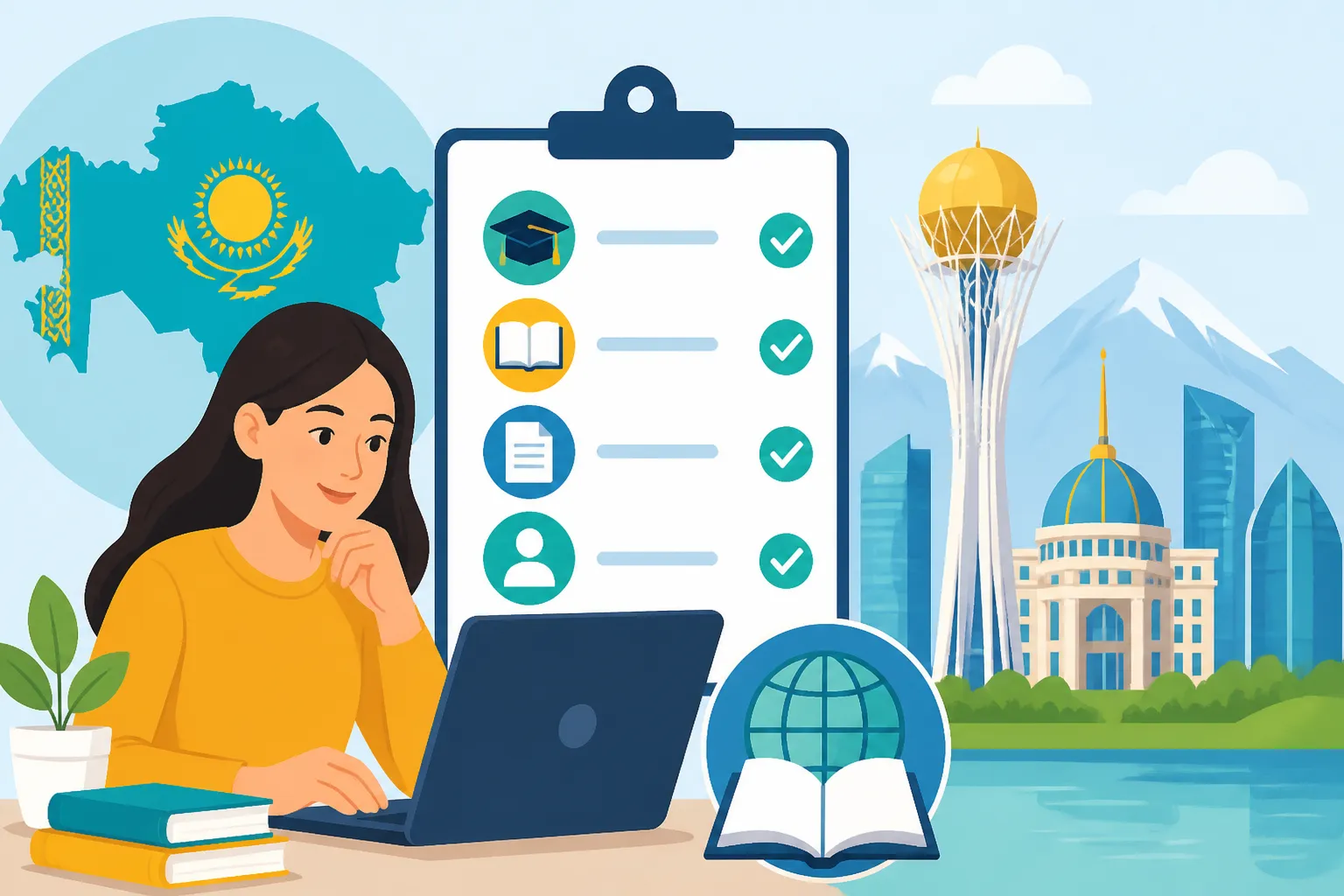
This is often the part that gives expats the most grief, but it’s manageable with a bit of foresight. While requirements can vary slightly, here’s a general list of what you’ll likely need:
- Passport: A valid passport with sufficient validity (usually at least six months beyond your intended stay).
- Visa (if applicable): If you’re not from a visa-free country or plan to stay longer than your visa-free period allows for study, you'll need to secure an appropriate student visa or a visa that permits study. Sometimes, a tourist visa is sufficient for short-term courses, but always verify this with the school and the Migration Service. For longer programs, "How Do I Apply for a Student Visa for Kazakhstan?" is a must-read.
- Individual Identification Number (IIN): This is your personal tax and identification number in Kazakhstan and is often required for any formal registration, including school enrollment and opening a bank account. It's truly a foundational document for expat life. You can learn more about how to get one in "How Do I Get an IIN (Individual Identification Number) in Kazakhstan?"()
- Academic Documents: If applying to a university, you’ll need high school diplomas or previous university transcripts. These might need to be apostilled or legalized and translated into Kazakh or Russian. Private schools are usually less stringent.
- Application Form: Provided by the institution.
- Passport-sized Photos: Usually 3×4 cm.
- Proof of Funds: For student visas, you might need to show you can support yourself financially during your studies.
- Medical Certificate: Some institutions may require a basic health check-up.
Always double-check the exact requirements with your chosen institution and be prepared for documents to need translation and notarization. Pro-tip: Get extra copies of everything!
Submission and Enrollment
Once you have your documents ready, the submission process usually goes one of two ways:
- Online Application: Many modern universities and private schools allow you to apply online by uploading scanned copies of your documents. You might then be invited for an online interview or a placement test.
- In-Person Submission: For smaller private schools or if you prefer a personal touch, you might submit your application directly to the school office. This is a good opportunity to ask any last-minute questions and get a feel for the environment.
After your application is accepted, you’ll typically receive an enrollment letter and instructions for payment. Most schools require a deposit or full payment for the course upfront. Be sure to understand refund policies, especially if your plans might change. Once payment is made and all paperwork is in order, congratulations, you're officially enrolled!
Visa and Residence Permit Considerations
This is where things can get a bit complex, especially for longer programmes.
- Short-term courses (under 90 days): If you're from a visa-free country, you might be able to complete a short language course within your permitted stay. However, confirm if your visa-free status allows for study or if it's strictly for tourism/business. Overstaying or violating your visa terms can lead to significant problems.
- Long-term courses (over 90 days): You will almost certainly need a student visa and subsequently a temporary residence permit. Your chosen university or language school will usually act as your sponsoring organization for these documents. The process involves multiple steps, including applying for the visa at a Kazakhstani embassy or consulate in your home country (or a neighbouring one if permissible) and then registering your residence upon arrival with the Migration Service. This entire process can be lengthy, so start early! For a full picture of the bureaucratic journey, refer to "Understanding the Cost and Timeline of the Kazakhstan Residence Process". Remember, your residence permit will be linked to your student status, so maintaining attendance and academic progress is usually a condition for renewal.
Practical Tips for Success and Integration
Starting a language programme is just the beginning. To truly make the most of your investment and integrate into life here, there are a few things that will really help you along the way.
Leveraging Local Resources and Community
Learning a language isn't just about classroom hours; it's about active engagement. Seek out opportunities to practice your new skills outside of class.
- Language Exchange Partners: Look for locals who want to practice English (or your native language) in exchange for helping you with Kazakh or Russian. Expat groups on Facebook, university bulletin boards, or apps like Tandem or HelloTalk are great for finding partners.
- Community Events: Attend local festivals, concerts, and cultural events. Even if you don't understand everything, just being present and hearing the language spoken in context is invaluable. Try to strike up simple conversations.
- Local Media: Start with children’s books, simple news articles, or local TV shows with subtitles. Gradually challenge yourself with more complex materials. Listening to Kazakhstani pop music or podcasts can also make learning fun.
- Join Clubs or Groups: Whether it’s a hiking club in the Almaty mountains, a local sports team, or a book club, joining groups aligned with your interests will naturally expose you to more conversational practice and help you make local friends. This type of authentic interaction is where language skills truly solidify.
Managing Your Finances and Legalities
Even when focusing on your studies, it’s crucial not to neglect the practicalities of expat life. Understanding your financial obligations and legal standing is paramount. If you're studying on a student visa, ensure you adhere to any restrictions on working. Some student visas allow part-time work, others do not, and breaking these rules can jeopardise your stay.
You'll need a way to manage your money. Opening a local bank account, perhaps with a major bank like Kaspi or Halyk, will make tuition payments, daily spending, and receiving funds much easier. For more detailed insights into managing your money, check out "The Expat Guide to Opening a Bank Account in Kazakhstan". Even as a student, if you have income from abroad, work part-time, or freelance (if permitted by your visa), you will likely have tax obligations. This is where understanding "The Complete Guide to Taxes in Kazakhstan for Expats (2026)" becomes incredibly important. Don’t assume that because you’re a student, you're exempt from all financial regulations. Platforms like Taxes for Expats can be invaluable resources for understanding your tax residency status and ensuring compliance, especially if you have a complex income situation or are trying to understand how your international income might be treated in Kazakhstan. Getting this right from the start can save you a world of trouble down the line.
Balancing Study with Expat Life
Learning a new language, especially one as different as Kazakh or Russian can be demanding. It’s important to find a balance to avoid burnout.
- Set Realistic Goals: Don't expect fluency in a few months. Celebrate small victories and focus on consistent progress.
- Embrace Mistakes: You will make mistakes, often embarrassing ones. It’s part of the process. Laugh them off and learn from them. Locals are generally very forgiving and encouraging.
- Don't Isolate Yourself: While immersion is great, make sure you maintain your expat connections and social life too. It's a marathon, not a sprint.
- Explore and Enjoy: Remember why you came to Kazakhstan! Take breaks, explore the stunning nature, visit historical sites, and enjoy the delicious cuisine. A relaxed mind is a more effective learning mind. For more on managing your overall experience, "The Complete Guide to Cost of Living in Kazakhstan for Expats (2026)" can help you budget for fun alongside your studies.
Ultimately, deciding to learn a local language in Kazakhstan is one of the most enriching decisions you can make as an expat. It will deepen your understanding, broaden your horizons, and connect you with the vibrant culture and wonderful people of this country in ways you never thought possible. Take the leap; you won't regret it!
Disclaimer
The information provided in this guide is intended for general informational purposes only and does not constitute legal, financial, or immigration advice. While we strive to keep the information up-to-date and accurate, regulations and procedures in Kazakhstan can change rapidly. It is essential to consult with relevant government authorities, educational institutions, legal professionals, or tax advisors for advice tailored to your specific situation before making any decisions. The author and publisher are not responsible for any actions taken based on the information presented herein.