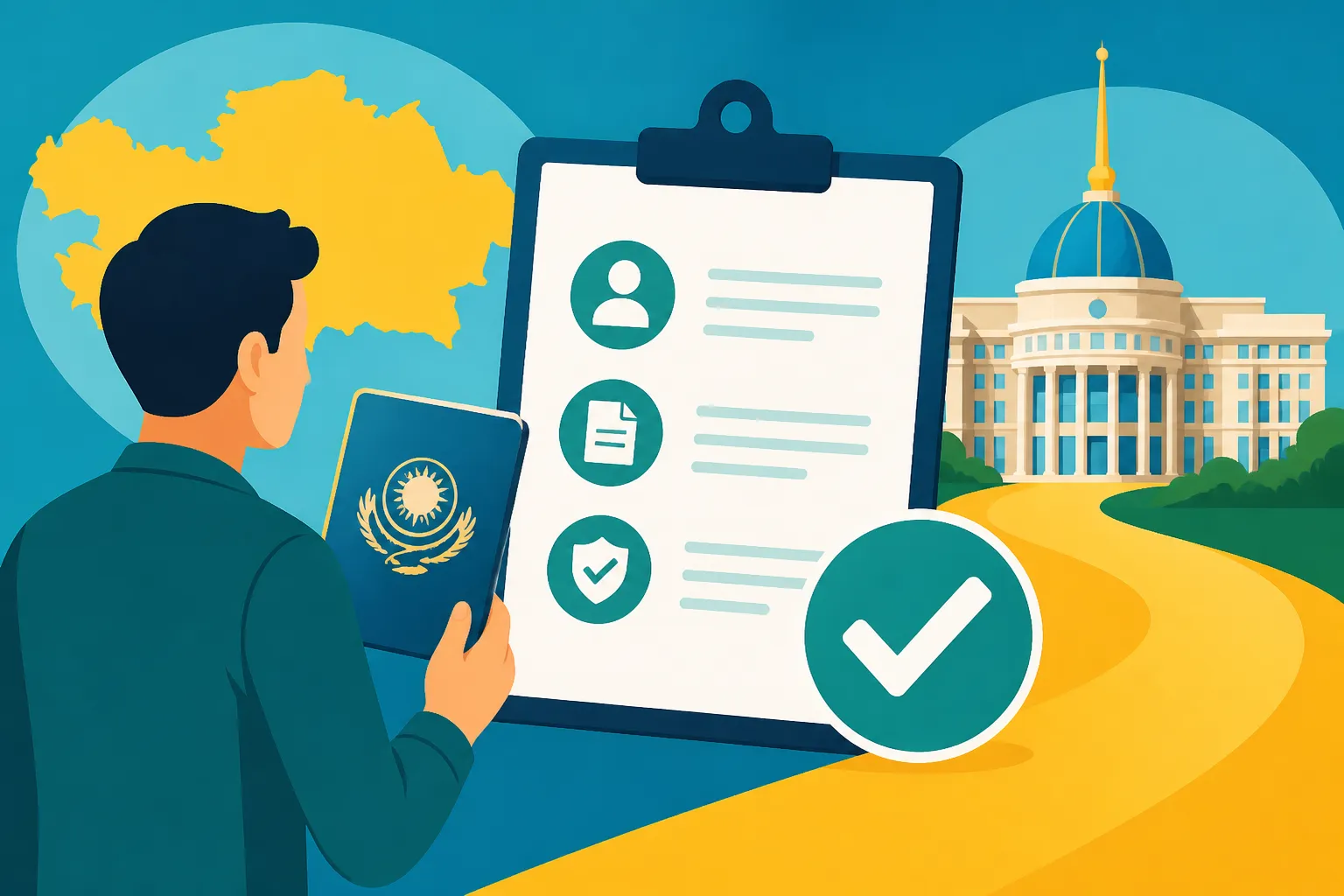
How Do I Apply for Kazakhstani Citizenship?
Ah, the big one! You've been living here for a while, navigated the joys of getting your residence permit, maybe even settled into a job or started a family, and now you're thinking about taking that ultimate step: becoming a citizen of Kazakhstan. It's a journey, my friends, a proper journey, and often feels like trying to climb Khan Tengri in a snowstorm – exhilarating but utterly daunting. This guide is here to help you unravel the dense, often confusing, process of applying for Kazakhstani citizenship, detailing the pathways, requirements, and crucial steps you'll encounter.
Understanding the Pathways to Kazakhstani Citizenship
Becoming a citizen of a new country is a monumental decision, and Kazakhstan, like many nations, has specific avenues for how one can join its citizenry. For us expats, it’s not always a straightforward path, and it’s certainly not a quick one. Forget what you might know from other countries; Kazakhstan has its own rhythm and rules, and understanding them from the get-go will save you a world of headaches.
Citizenship by Naturalisation: The Most Common Route for Expats
For the vast majority of expats who fall in love with Kazakhstan and decide to make it their forever home, naturalisation is the main pathway to citizenship. This is the route that requires you to have lived here for a significant period, demonstrated your integration into society, and fulfilled a whole host of legal requirements. It’s essentially proving that you’re committed to Kazakhstan, not just passing through. The idea is to show you've established roots, contributed to the community, and truly embraced life here.
Think about it: you've probably already gone through the process of getting a residence permit for work in Kazakhstan, or perhaps one for family reunification. These are all steps towards showing a long-term commitment. Naturalisation is designed for those who don't have a direct, immediate claim to citizenship through ancestry or marriage to a Kazakhstani citizen under simplified procedures. It's a testament to your perseverance and dedication to building a life here. You'll need to demonstrate genuine intent to reside permanently in Kazakhstan, integrate into the local society, and abide by its laws. This isn't just a tick-box exercise; it's about showing a real connection.
Citizenship by Simplified Procedure: Special Cases and Eligibility
While naturalisation is the general path, there are certain situations where individuals can apply for Kazakhstani citizenship under a simplified procedure. Now, don't get too excited thinking this means "easy," it simply means less time or fewer hurdles compared to the standard naturalisation process, but the requirements are still stringent. This expedited process is typically reserved for very specific categories of people, primarily:
- Ethnic Kazakhs (Oralmans): Individuals of Kazakh nationality who were forced to leave Kazakhstan in the past and wish to return, often referred to as "Oralmans." They have a clear, distinct path to citizenship.
- Spouses of Kazakhstani Citizens: If you are married to a citizen of Kazakhstan, you may be eligible for a simplified procedure. However, there's usually a minimum duration of marriage and residency required, and it's not an automatic grant. The authorities want to see a genuine marriage, not one entered into solely for citizenship.
- Former Citizens of Kazakhstan: Those who previously held Kazakhstani citizenship but renounced it (perhaps when they moved abroad for a time) and now wish to reacquire it.
- Citizens of Former Soviet Republics: In some instances, citizens of certain former Soviet republics who arrived in Kazakhstan before a specific date and have specific family ties may also qualify.
It’s crucial to understand that these simplified procedures have very strict definitions and often require specific documentation to prove eligibility. Unless you fall squarely into one of these categories, the naturalisation route is the one you should be preparing for. It's not a shortcut for the general expat, so manage those expectations!
The Strict Stance on Dual Citizenship
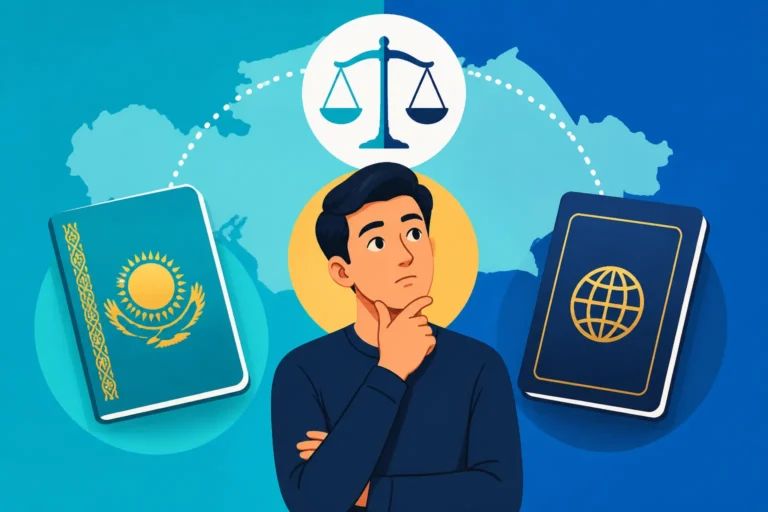
Before you even delve deep into the application forms, you need to grasp one fundamental truth about Kazakhstani citizenship: Kazakhstan does not recognise dual citizenship. This is a huge, often heartbreaking, reality for many expats from countries that do allow it. It means that if your application for Kazakhstani citizenship is successful, you will be required to officially renounce your existing citizenship.
This isn't a minor detail; it's a make-or-break aspect of the entire process. The government expects you to be a citizen of Kazakhstan, and only Kazakhstan. There are no two ways about it. This step usually comes towards the end of the process, but the commitment to renounce your current nationality must be clear from the outset. For many, this is the biggest hurdle, emotionally and practically. It means cutting ties with your birth country in a very formal, legal way, which can have implications for everything from inheritance to voting rights and even your ability to travel freely back to your country of origin without a visa (if your former passport allowed that).
It's a heavy decision, and it’s one that requires considerable thought and preparation. You’ll need to research the procedures for renouncing citizenship in your home country well in advance, as some countries have complex or lengthy processes for this. This isn't something to take lightly, and it's absolutely non-negotiable for becoming a citizen here.
Navigating the Eligibility Criteria for Naturalisation
So, you've decided naturalisation is your path, and you're prepared for the dual citizenship reality. Excellent. Now comes the real work: meeting the eligibility criteria. This is where the Kazakhstani authorities will scrutinise your history, your intentions, and your integration. It’s a detailed look into your life to ensure you’re a suitable candidate.
Meeting the Residency Requirement: More Than Just Time on the Ground
The cornerstone of naturalisation in Kazakhstan is the residency requirement. Generally, you must have permanently resided in Kazakhstan for a minimum period. The specific duration can vary based on agreements or specific categories, but for general naturalisation, it’s typically five years of continuous legal residence immediately preceding your application.
Now, "continuous legal residence" is key here. It doesn't just mean being physically present. It means you've held valid Kazakhstani Residence Permits: Work, Study and Investment (2026) throughout this period. Short trips out of the country for holidays or work don't usually break this continuity, but extended absences might. You'll need to demonstrate a clear record of your legal presence, perhaps through your visa and residence permit history, stamps in your passport, and official registration documents.
Furthermore, this isn't just about counting days. The authorities want to see that you've genuinely established your life here. Have you been paying taxes? Have you been enrolled in the How Kazakhstan's Health System Works: OSMS and Private Care Explained (2027)? Do you have a permanent address? These are all indicators of true residence. If you’ve been hopping between temporary accommodations or only stayed for short stints between long periods abroad, you might struggle to prove continuous intent to reside.
Language, Culture, and Financial Integration: Proving Your Commitment
Beyond just showing up, Kazakhstan wants to see that you've actually integrated into society. This means demonstrating a certain level of proficiency in the Kazakh language, an understanding of the country's culture, history, and basic laws, and importantly, proving your financial stability.
- Language Proficiency: You'll typically be expected to demonstrate a basic command of the Kazakh language. This doesn't mean you need to be a poet, but you should be able to hold a conversation, understand simple instructions, and express yourself. There might be an interview or a simple test to assess this. It shows a willingness to connect with the local population and culture.
- Cultural and Historical Awareness: Expect questions about Kazakhstan's history, its national symbols, major holidays, and its constitution. This isn't just trivia; it's about showing respect and understanding for the country you wish to call home. You'll be tested on your general knowledge.
- Financial Stability: The government wants to ensure you won't be a burden on the state. You'll need to demonstrate a legitimate source of income or sufficient financial means to support yourself and any dependents. This could involve showing your employment contract, bank statements, tax records, or evidence of a successful business as an Self-Employment in Kazakhstan: Registering as an IP and Going Independent (2027). This is a critical aspect, as it underscores your ability to contribute to the nation's economy.
Navigating these requirements can be tough, especially if your job has been mostly English-speaking and insulated. But if you’ve been learning the language, engaging with local customs, and contributing financially, you’re already on the right track. This is where your deep dive into Learning About Living and Working in Kazakhstan: A Complete Guide for Expats really pays off.
The Importance of a Clean Legal Record
This should go without saying, but it's paramount: you must have a clean legal record. Any history of criminal convictions, both in Kazakhstan or your home country, will likely disqualify you. The authorities will conduct thorough background checks. They want law-abiding citizens who will contribute positively to society.
This also extends to your immigration history. Have you always maintained legal status? Have you paid all your fines? Any irregularities or breaches of immigration law, no matter how minor you might think they are, could jeopardise your application. Honesty and transparency are crucial throughout this process.
The Comprehensive Application Process: From Documents to Oath
Once you’ve diligently checked all the eligibility boxes, the real marathon begins: the application process itself. This isn't a quick trip to the local government office; it's a multi-stage procedure that demands patience, meticulous attention to detail, and a very thick folder for all your documents.
Assembling Your "Dossier": Required Documents and Translations
This is where the infamous "paperwork mountain" comes into play. You will need to prepare a comprehensive set of documents, usually including, but not limited to:
- Application Form: Officially filled out and signed.
- Passport and National ID: Copies of your current passport, and potentially any expired passports showing your entry and exit stamps, along with your national ID from your country of origin.
- Birth Certificate: Your original birth certificate, translated and notarised.
- Marriage Certificate (if applicable): If married, your marriage certificate, translated and notarised.
- IIN (Individual Identification Number): You absolutely need your How to Get an IIN (Individual Identification Number) in Kazakhstan – it's your unique taxpayer ID and essential for all official matters.
- Residence Permit Documentation: All documents related to your legal residence in Kazakhstan over the required period.
- Proof of Financial Means: Bank statements, employment contracts, tax declarations, showing your income and ability to support yourself.
- Police Clearance Certificates: From both Kazakhstan and your country of origin.
- Medical Certificates: Proving you are free of certain infectious diseases.
- Photos: Passport-sized photographs adhering to specific requirements.
- Proof of Payment of State Fees: There are administrative fees associated with the application.
- Consent to Renounce Citizenship: A formal declaration of your intent to renounce your current citizenship, often required at the time of application or just before the final stages.
Every single foreign document will need to be translated into Kazakh and/or Russian by a certified translator and then notarised. This isn’t something you can cut corners on. Any discrepancies or errors in translation can lead to significant delays or even rejection. It's a daunting pile, and it's easy to feel overwhelmed, but patience and organisation are your best friends here. When you’re thinking about the logistics of relocating your life entirely for this, services like Sirelo can be a real lifeline, helping you plan your move and manage the mountain of possessions that represent your life's journey – it’s a big step when you know you’re staying for good.
Here's a simplified table of common documents, but remember, the exact list can change, so always check with the migration service:
| Document Category | Examples of Required Documents | Notes |
|---|---|---|
| Personal Identification | Current Passport, Birth Certificate, National ID | All foreign documents require notarised translations. |
| Residency Proof | All Residence Permits, Registration Documents | Must cover the entire required residency period. |
| Financial Standing | Employment Contract, Bank Statements, Tax Declarations | Proves ability to support self and dependents. |
| Legal Background | Police Clearance Certificates (Kazakhstan & Home Country) | Must be recent and reflect a clean record. |
| Health Records | Medical Certificates (HIV, TB, etc.) | Issued by designated Kazakhstani medical institutions. |
| Intent & Allegiance | Application Form, Declaration of Renunciation (Letter of Intent) | Signifies commitment to becoming a Kazakhstani citizen. |
| Other | Photos, Receipt for State Fee, IIN, Marriage/Divorce Cert. | Specific sizes/formats for photos; IIN is mandatory. |
Submitting Your Application and Awaiting Review
Once your dossier is meticulously assembled, you’ll submit it to the appropriate migration service department, typically at your local Public Service Centre (PSC, or Tson). This is usually followed by an interview. During this interview, officials will verify your documents, ask questions about your motivations for seeking citizenship, assess your Kazakh language skills, and test your knowledge of the country's laws and history. This is where your commitment to Understanding Kazakhstani Labour Law and Worker Rights (2027) and other fundamental aspects of life here truly gets tested.
After submission and interview, your application will go through a multi-layered review process involving various state bodies, including the Ministry of Internal Affairs and potentially other security agencies. This can be a lengthy process, often taking several months, sometimes even longer than a year. Expect periods of silence, which can be frustrating, but resist the urge to constantly call for updates unless specifically advised. They will contact you when there is news. This waiting period is a test of patience for even the most seasoned expat.
Renunciation and the Final Step: The Oath of Allegiance
If your application is approved, congratulations! But you’re not quite over the finish line. The next critical step is to officially renounce your current citizenship. This is where that strict dual citizenship policy comes into full effect. You will be provided with formal notification that your application is approved conditional on you providing proof of renunciation of your prior citizenship. You'll then have a specific timeframe to complete this process with your home country's embassy or consulate. Once you have the official documentation of renunciation, you'll submit it to the Kazakhstani authorities.
The very final step is usually a ceremony where you take the Oath of Allegiance to Kazakhstan. This is a solemn promise to uphold the Constitution and laws of Kazakhstan, respect its sovereignty, and be a loyal citizen. After taking the oath, you will officially be granted Kazakhstani citizenship and can then apply for your Kazakhstani passport and national ID. It's a truly profound moment, marking the culmination of years of living abroad and the start of a new chapter.
Practical Advice and Common Pitfalls for Aspiring Citizens
The journey to Kazakhstani citizenship isn’t just about ticking boxes and collecting stamps; it’s a significant life decision with practical and emotional implications. Being prepared for these aspects can make the process smoother and help you manage expectations.
The Emotional and Practicalities of Renouncing Your Original Citizenship
For many, giving up their original citizenship is the hardest part. It can feel like losing a part of your identity, even if you’ve been living abroad for years. There are emotional ties, family connections, and often a deep sense of belonging to your country of birth. Be prepared for these feelings. Talk to friends, family, or other expats who have gone through similar processes.
Practically, renouncing your citizenship has real-world consequences:
- Travel: You will now travel on a Kazakhstani passport. Research visa requirements for your new passport to countries you frequently visit. If you often How to Handle a Medical Emergency While Travelling from Kazakhstan, ensure your new travel documents align with your needs.
- Property and Rights in Your Home Country: Understand how renunciation might affect your ability to own property, inherit assets, or access certain social benefits in your former country. Consult with legal professionals in your home country if you have significant assets or concerns.
- Family: If your family members are not also becoming Kazakhstani citizens, consider the implications for their residency or travel to Kazakhstan, or your ability to visit them in your former country.
This isn't to discourage you, but to ensure you go into the process with open eyes, fully aware of the implications. It’s a permanent change.
Why Expert Legal Counsel Can Be Your Best Friend
Given the complexity, the sheer volume of documentation, and the significant implications of applying for citizenship, seeking professional legal assistance is highly advisable. An immigration lawyer in Kazakhstan who specialises in citizenship cases can:
- Clarify Eligibility: Help you accurately assess your eligibility and identify the best pathway for your specific situation.
- Document Preparation: Guide you through compiling your "dossier," ensuring all documents are correct, properly translated, and notarised. They know the exact requirements and can save you from costly mistakes or delays.
- Navigate Bureaucracy: Act as an intermediary with the migration service, helping you understand requests for additional information and track your application progress.
- Interview Preparation: Help you prepare for any interviews, including language and cultural knowledge assessments.
- Troubleshooting: Assist if your application encounters unexpected issues or delays.
While it's an additional cost, the peace of mind and the increased likelihood of a successful application often make it a worthwhile investment, especially when considering the sheer effort involved in The Complete Visa and Immigration Guide for Relocating to Kazakhstan (2027) in the first place.
Long-Term Planning: Before and During Your Citizenship Journey
The decision to apply for citizenship is usually years in the making. During this time, you've likely been building your life here. Think about how your healthcare needs have been met. While you're on a long-term residence permit, you might be relying on international health insurance. Companies like Cigna Global are popular choices among expats for comprehensive coverage. As you transition to citizenship, understanding How Kazakhstan's Health System Works: OSMS and Private Care Explained (2027) and Health Insurance in Kazakhstan: OSMS, Private and International Options Explained becomes even more critical. You'll integrate fully into the local system, but having a clear plan for your healthcare during the transition, or for any international travel post-citizenship, is always wise.
Also, think about your financial future. You've likely become a tax resident, and understanding How Kazakhstan's Tax System Works: The Flat 10% Tax Explained (2027) is fundamental. As a citizen, your long-term financial planning, including pensions and investments, will fully align with Kazakhstani regulations. This holistic view of your life in Kazakhstan, from daily living to long-term planning, is what truly prepares you for citizenship.
Ultimately, applying for Kazakhstani citizenship is not just a bureaucratic process; it's a profound commitment. It requires patience, meticulous preparation, and a deep understanding of what it means to become a part of this vibrant nation. It's a challenging but ultimately rewarding path for those truly dedicated to making Kazakhstan their permanent home.
Disclaimer
The information provided in this article is intended for general guidance only and does not constitute legal advice. Immigration laws and procedures in Kazakhstan are subject to change, and individual circumstances may vary. It is highly recommended to consult with the official migration authorities of Kazakhstan or a qualified legal professional for the most accurate and up-to-date information pertaining to your specific situation before making any decisions.