How Do I Set Up Central Heating for My Kazakhstan Apartment?
Stepping into a Kazakhstani apartment, especially as winter approaches, you might find yourself facing a unique challenge: the central heating system. Unlike many Western countries where you have a thermostat proudly displayed on your wall, here, the heating often feels like a mysterious, uncontrollable entity. This guide is here to demystify central heating in Kazakhstan, offering practical advice and empathetic insights for expats grappling with the extremes of an Almaty or Astana winter.
Understanding Kazakhstan's Central Heating System
The central heating system in Kazakhstan is a vast, city-wide network designed to keep entire districts warm during the brutally cold winters. It's a relic of Soviet-era infrastructure, and while incredibly efficient at delivering heat to millions, it comes with its own set of peculiarities that can be perplexing for newcomers. You're not alone if you've found yourself sweating in October or shivering in April, wondering why the heat is either full blast or completely off.
How the System Operates
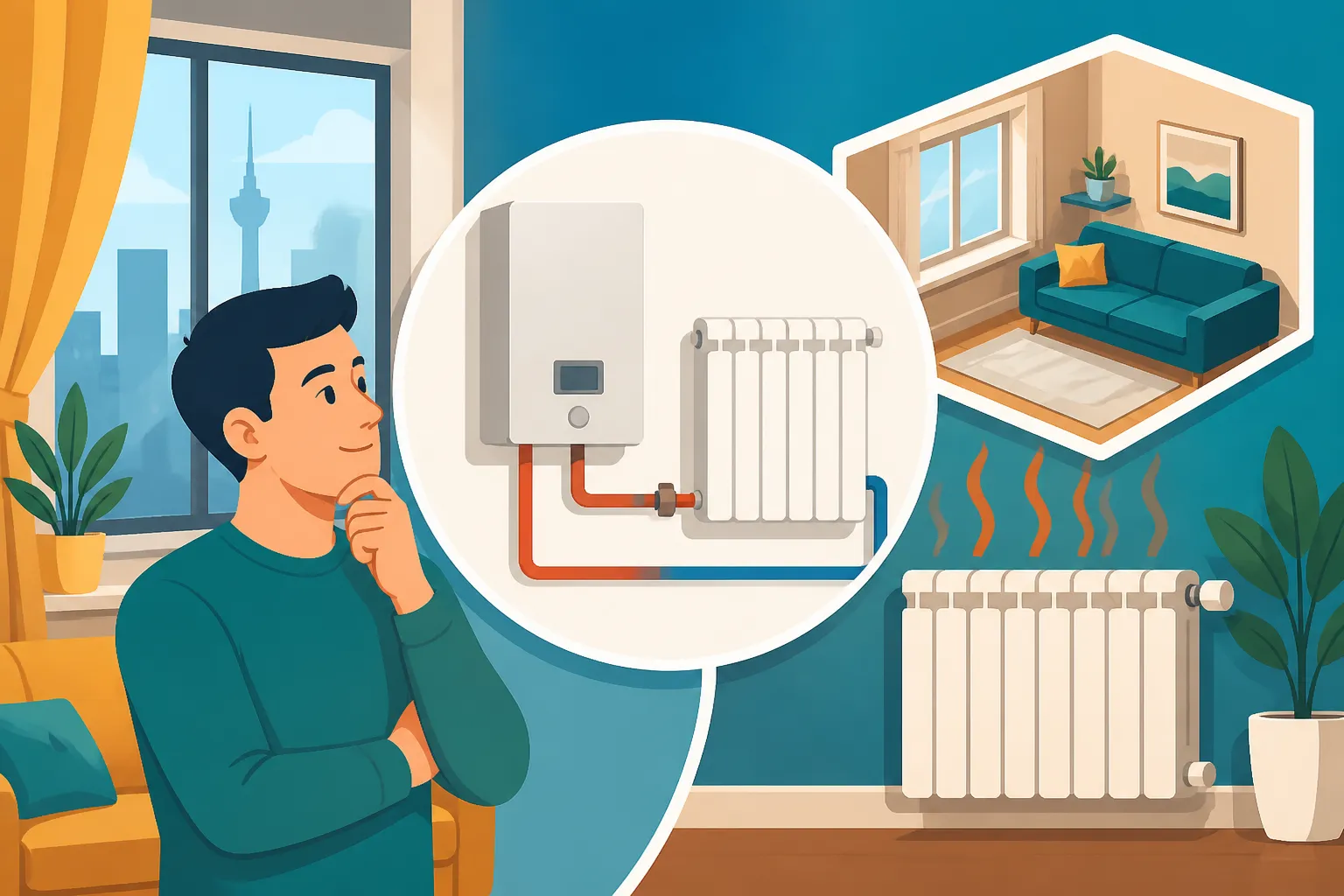
Imagine a giant, municipal furnace that pumps hot water through a labyrinth of pipes directly into every apartment building, and then into the radiators in individual flats. This isn't like a boiler in your own apartment; it's a shared resource. The decision to turn the heating on or off across an entire city or district is usually made by the local akimats (city administrations), based on average daily temperatures falling below or rising above a certain threshold, typically around +8°C for five consecutive days. This means there's a collective, not individual, control over when the heat begins and ends for the season.
During the heating season, which generally runs from October to April, this system is a lifesaver. However, the lack of individual control can be incredibly frustrating. If there's an unseasonably warm spell in November, your apartment can become stiflingly hot, forcing you to open windows and essentially vent expensive heat into the atmosphere. Conversely, an early cold snap in September can leave you bundled up indoors, patiently waiting for the official start of the heating season. This communal aspect is a major cultural shift for many expats, who are used to tweaking their own thermostats to perfection. It's just one of those quirks you learn to live with, like figuring out how to How Do I Set Up Electricity After Moving to Kazakhstan? or get your internet running.
The Role of Your KSK and Landlord
When you're renting an apartment, your primary points of contact for anything related to the building's infrastructure, including heating, will be your landlord and the KSK (Kooperativ Sobstvennikov Kvartir, or Cooperative of Apartment Owners). The KSK is essentially the building management committee. They are responsible for the internal distribution of heat within the building once it arrives from the city’s main supply. This includes maintaining the pipes, radiators, and general heating infrastructure within your specific building.
Your landlord is your first line of defense. If you have an issue, like a cold radiator when everyone else's is hot, or a leak, you should always contact your landlord first. They will then liaise with the KSK. It’s rare for an expat to directly contact the KSK themselves, especially if there's a language barrier. The KSK handles the maintenance fees that often cover heating and other utilities, which is crucial to understand if you’re trying to budget your How Much Is the Average Utility Bill for an Apartment in Kazakhstan?. Sometimes, a good real estate agent, who helped you find your place, might even offer initial guidance on who to contact. Knowing How Do I Find a Reliable Real Estate Agent in Kazakhstan can save you headaches later on.
It's common for building residents to pay a monthly fee to the KSK, which covers communal services like cleaning, minor repairs, and crucially, the cost of the central heating. This means your heating bill is usually bundled into your general kommunalka (utility) payments. For a deeper dive into these charges, Understanding Building Maintenance Fees KSK for Apartments in Kazakhstan can be very helpful.
Getting Your Apartment Ready for Winter
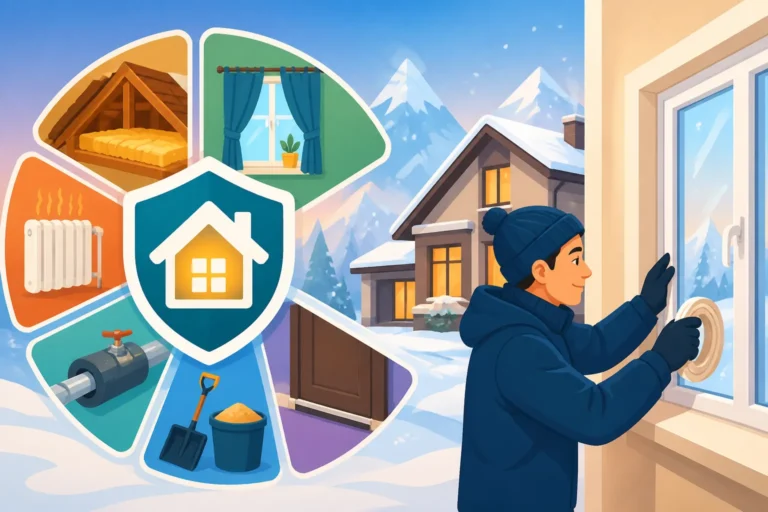
Even though you can't control the city-wide heating switch, there's a lot you can do to make your apartment comfortable and energy-efficient once the heat is flowing, or to mitigate the chill before it arrives. Kazakhstan's winters are no joke, and preparation is key. This is part of the broader process of How Do I Prepare My Home for a Kazakhstani Winter? that every expat should undertake.
Insulating and Sealing Your Home
The biggest heat loss often comes from poorly sealed windows and doors. Many older Kazakhstani apartments might have gaps around window frames or under doors. A quick, easy, and relatively inexpensive fix is to seal these drafts. You can buy self-adhesive foam strips (known as "уплотнитель" or "uplotnitel") from any local hardware store like MasterStroy or Magnum Home, or even smaller shops in your neighborhood. Applying these strips around window sashes and door frames can make a surprising difference in keeping warm air in and cold drafts out.
For windows, consider insulating film. This transparent film is applied to the inside of your window frames and, when heated with a hairdryer, shrinks to create an airtight seal, adding an extra layer of insulation. It’s an old trick, but it really works wonders in places like Almaty and Astana. Don’t forget your entrance door either; a draft stopper (like a "валик для двери") placed at the bottom can block cold air sneaking in from the hallway. These small adjustments can significantly improve your comfort without needing to rely solely on the central system.
Supplemental Heating and Comfort Items
While central heating is the norm, having backup or supplemental heating options can save you from those pre-season chills or unseasonably cold snaps when the central heat hasn't quite kicked in. A small electric space heater can be a godsend for quickly warming up a specific room. Just be mindful of electricity consumption, as these can be power-hungry. Always check with your landlord if using supplemental heaters is permitted and if the electrical wiring in your apartment can handle the load. Overloading circuits is a real concern, especially in older buildings.
Beyond heaters, think about cozying up your living space:
- Warm blankets and throws: Kazakhstani homes often embrace warm textiles.
- Rugs: If you have hard floors, rugs can add a surprising amount of warmth.
- Humidifiers: The dry winter air, combined with central heating, can be harsh on your skin and respiratory system. A humidifier can make a big difference in comfort.
- Thermal curtains: Heavy, insulated curtains can provide an extra barrier against cold windows at night.
When you first arrive, getting all these little things sorted can feel overwhelming, especially when trying to navigate new cities like Almaty. Services like Sirelo can help manage the logistics of bringing your personal comfort items with you from abroad, ensuring you're ready to face the Kazakhstani winter head-on.
Managing Internal Temperatures
With central heating, you won't have a thermostat to adjust. Your apartment’s temperature will largely depend on its position in the building (corner apartments are often colder) and the efficiency of your building's system. If your apartment gets too hot, the primary method of cooling down is to open the windows. While this seems counterintuitive, it’s a common practice. Just be aware that you are literally letting warm air out, which means you are paying for heat that you are not using.
Some radiators might have manual valves that allow you to partially close them, reducing the heat flow. However, not all apartments have these, and sometimes they can be stiff or broken. Always check with your landlord before attempting to adjust any valves, as tampering could lead to leaks or other issues. It's a delicate balance to find comfort without being wasteful.
Dealing with Heating Issues and Maintenance
Even in the most well-maintained buildings, issues with central heating can arise. Knowing what to do and who to contact is crucial, especially when you're facing a frigid apartment in the middle of winter. Communication is key, and sometimes it can feel like a maze, especially with language barriers. Don't worry, many of us have been there!
Common Heating Problems and Solutions
One of the most common issues is a cold radiator. If all your radiators are cold, but your neighbors seem to have heat, it might indicate a localized problem within your apartment or building. Here's a quick rundown of typical scenarios:
- Completely Cold Radiators: If it's heating season and your radiators are stone cold while everyone else in the building is toasty, there might be air trapped in the system or a blockage. Your landlord will need to contact the KSK to "bleed" the system (release the trapped air) or investigate further.
- Partially Heated Radiators: Sometimes, a radiator is warm at the bottom but cold at the top. This is a classic sign of trapped air. Again, the KSK will need to bleed the system.
- Leaking Radiators or Pipes: This is an emergency. Immediately contact your landlord. If water is escaping, place buckets or towels to minimize damage. The KSK will need to send a plumber to fix it.
- No Heating When It Should Be On (City-Wide Issue): If the entire building or district is without heat, it’s likely a municipal issue (e.g., a power outage at the central heating plant, or a burst main pipe). In such cases, there’s little you can do but wait for repairs. Your landlord should be able to provide updates.
It's helpful to remember that individual repair requests are routed through the KSK. For any communal utilities, learning How to Pay Your Utility Bills in Kazakhstan is a fundamental part of life here.
Who to Contact in an Emergency
For genuine emergencies, like a major leak, a burst pipe, or a complete and unexplained lack of heat during freezing temperatures, your first call should always be to your landlord. They are ultimately responsible for the upkeep of the apartment. If you cannot reach your landlord, or if the situation is dire and poses an immediate threat (e.g., severe water damage, risk of burst pipes due to extreme cold), you might need to contact the KSK directly. Many KSKs have an emergency number.
It's a good idea to have a few key contact numbers readily available:
- Your Landlord
- Your KSK (if your landlord provides it)
- Emergency Services (103 for medical, 101 for fire, 102 for police, and 112 for general emergencies). While these aren't for heating issues, they're vital to have.
Always remember that language can be a barrier. If you're not fluent in Russian or Kazakh, try to have a local friend, colleague, or even a translation app ready to assist you. Having reliable mobile data is absolutely essential in these moments; an eSIM from a provider like Airalo can ensure you're always connected, even when navigating a new city and its infrastructure hiccups.
Here’s a quick reference table for common heating scenarios:
| Problem Type | Description | Who to Contact First | Potential Resolution |
|---|---|---|---|
| No Heat (Apartment specific) | Radiators are cold, but neighbours have heat. | Landlord | Landlord contacts KSK to bleed radiators or investigate internal pipes. |
| No Heat (Building/District) | Entire building/area is cold, often due to municipal issue. | Landlord (for updates) | City services repair main lines or central heating plant. Wait times vary. |
| Leaking Radiator/Pipe | Water actively dripping or spraying from heating elements/pipes. | Landlord (IMMEDIATELY) | Landlord contacts KSK to send a plumber for immediate repair. |
| Overheating | Apartment is excessively hot, even with windows open. | Landlord (to check for valve/KSK) | KSK may adjust building-level flow; otherwise, opening windows is the common solution. |
| Underheating | Apartment is consistently too cold, even when heating is on. | Landlord (to check KSK settings) | KSK may need to adjust boiler settings or inspect pipe insulation in the building. |
For more general information about setting up all your essential services, check out The Expat Guide to Setting Up Utilities Electricity Water Heating in Kazakhstan.
Costs and Efficiency of Central Heating
Understanding the financial aspect of central heating in Kazakhstan involves a slightly different mindset than what many expats might be used to. Since it’s a communal system, the billing is often integrated into your overall utility payments, and direct individual control over consumption is virtually non-existent for most residential units. This system has its pros and cons, especially when considering The Cost of Living in Kazakhstan for Expats.
Decoding Your Heating Bills
As mentioned, central heating costs are typically bundled into your kommunalka bills, which you usually pay to your KSK or directly to utility providers through online banking apps like Kaspi.kz or Halyk Bank. The charges are usually calculated based on the area of your apartment, not on actual consumption measured by an individual meter in your unit. This is a significant difference from systems where you pay exactly for the cubic meters of gas or kilowatt-hours of electricity you consume for heating. Therefore, whether you keep your windows open all winter or seal every crack, your heating portion of the bill often remains the same.
This billing structure is a source of frustration for some, as it disincentivizes energy conservation at an individual apartment level. However, it also means that the heating costs are generally predictable and often quite reasonable compared to countries where individual gas or electric heating can skyrocket during cold months. To get a handle on all your communal expenses, including heating, it’s worth diving into Understanding Water and Central Heating Bills in Kazakhstan.
Efficiency and Environmental Impact
From a macro perspective, central heating systems can be very energy-efficient. Large district heating plants can operate at higher efficiencies and use a wider range of fuel sources, including combined heat and power (CHP) generation, which captures waste heat from electricity production. This often results in a lower carbon footprint per unit of heat delivered compared to individual boilers in every home. The consistent, widespread heat also prevents pipes from freezing, a major concern in such cold climates.
However, the lack of individual control can lead to inefficiencies at the user end. Overheating in apartments, especially during shoulder seasons (early autumn, late spring), results in residents opening windows to cool down, effectively wasting heat and energy. While city administrations are increasingly looking into modernizing these systems with more advanced controls and smart metering for buildings, for the average expat living in a standard apartment, direct individual control is still a rarity. This means your personal efforts in sealing drafts and using thermal curtains are your best bet for maximizing the efficiency within your own living space. When you're scouting for a place to live, keeping these factors in mind, especially in major cities, might influence your choice of apartment. So, research on How Much Does It Cost to Rent an Apartment in Almaty in 2026? should also consider how well a building is maintained for heating.
Navigating the Seasons: A Resident's Perspective
Living in Kazakhstan means embracing the rhythm of its seasons, and the central heating system is a big part of that. While it might initially feel like a lack of agency, most expats quickly adapt to the system, learning to layer clothing or strategically open windows. The sheer reliability of consistent heat throughout the brutal winter months is often a welcome trade-off for the occasional overheating.
Preparing for the "Off" and "On" Seasons
The period when the heating is turned off in spring and turned on in autumn can be the most challenging. Spring in Almaty or Astana can be quite unpredictable, with warm days followed by sudden cold snaps. Similarly, early autumn evenings can become quite chilly before the official heating season begins. This is when those supplemental heaters, warm pajamas, and good blankets become indispensable.
Many expats find themselves investing in small, efficient electric fan heaters to bridge these gaps. Remember, you might not have full control over the heat from the city, but you do have control over how you manage the temperature inside your own apartment. It’s all part of the grand adventure of living abroad and learning to navigate new systems. For those new to the country, getting all these elements sorted is part of your The Complete Guide to Moving to Kazakhstan Your First 90 Days.
Long-Term Considerations for Expats
For expats planning a longer stay, or those setting up a family home, understanding the nuances of the heating system becomes even more critical. When choosing an apartment, it’s always a good idea to ask your landlord or real estate agent about the building's heating performance. Some buildings are simply better insulated or have more efficient internal systems than others. Asking if the apartment is a "corner unit" can also give you a hint, as these typically lose heat more quickly. Even for finding an apartment in a specific city, knowing what to ask is key. For example, How Do I Find an Apartment to Rent in Astana? should include questions about heating.
While you can't install your own furnace, being aware of how the system works, making minor adjustments for insulation, and having sensible backup options will make your Kazakhstani winter a comfortable, rather than chilling, experience. Embracing the communal nature of it all, and focusing on what you can control in your home, will make all the difference.
Disclaimer
The information provided in this guide is for general informational purposes only and does not constitute professional advice. While we strive to provide accurate and up-to-date information, local regulations, utility practices, and pricing can change. Always consult with your landlord, KSK (building management), or relevant local authorities for specific details pertaining to your situation. We are not responsible for any actions taken based on the information presented herein.