What Is the Emergency Phone Number in Kazakhstan?
Finding yourself in a medical emergency in a foreign country is one of the most stressful scenarios an expat can face. The panic of not knowing who to call, what to say, or even the right number can be overwhelming, turning an already difficult situation into a terrifying ordeal. This comprehensive guide is designed to cut through that confusion, providing you with the essential emergency phone numbers and practical advice for navigating urgent medical situations in Kazakhstan, ensuring you feel a little more prepared when it truly matters.
The Primary Emergency Numbers You Need to Know in Kazakhstan
When every second counts, knowing the right number to dial is paramount. Kazakhstan, like many countries, has a set of dedicated emergency lines. While you might be familiar with a single unified emergency number from your home country, here, it's a bit more nuanced. For direct medical emergencies, there's a specific line, but there's also a universal number that can help route your call. Getting these straight will save you precious time and a lot of anxiety.
Understanding 103: Your Lifeline for Medical Emergencies
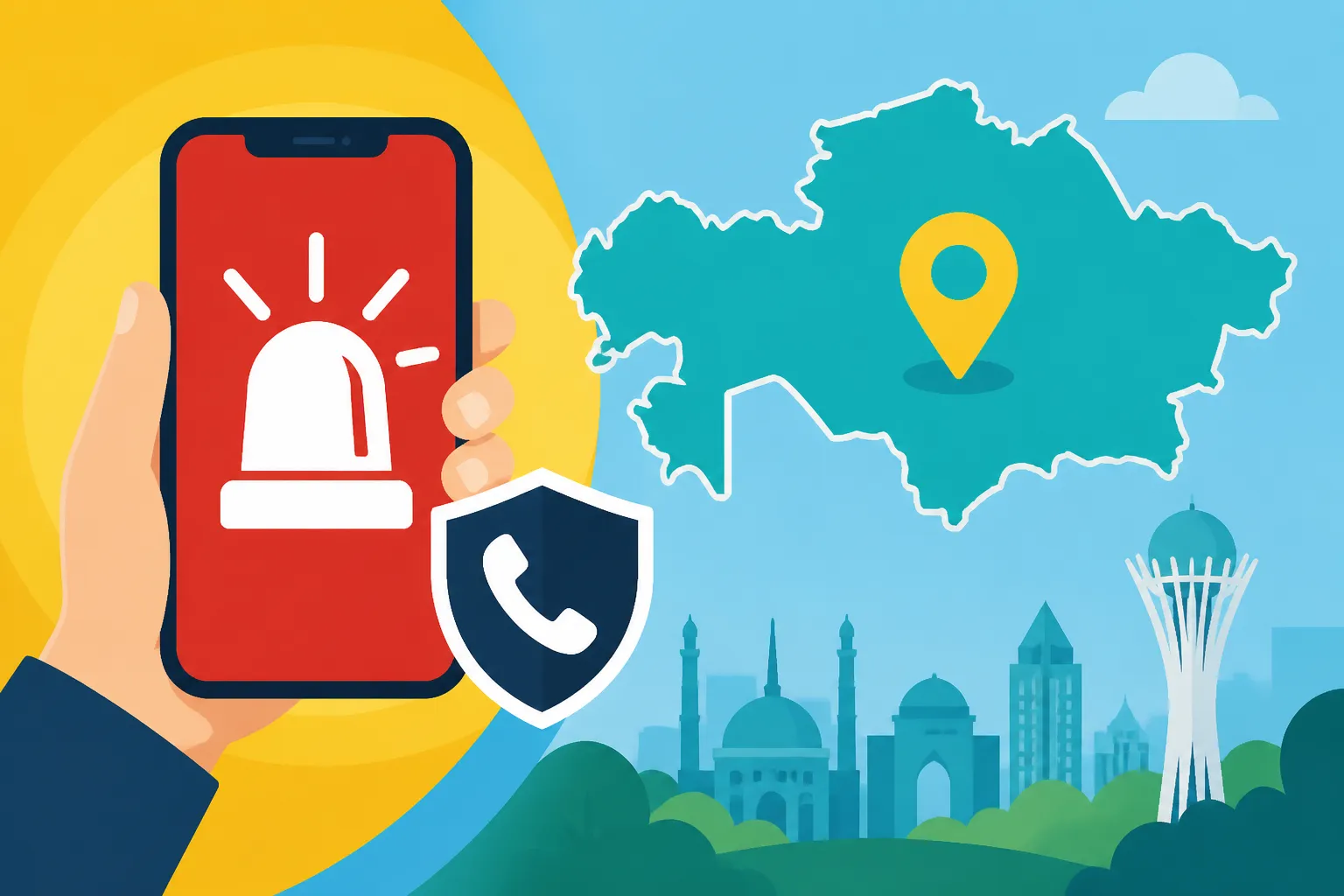
When you or someone around you needs urgent medical attention, 103 is the number you need. This is the direct line for the ambulance service in Kazakhstan. Think of it as your primary contact for situations like a suspected heart attack, a severe accident, a sudden stroke, uncontrollable bleeding, or any other life-threatening condition where professional medical transport and intervention are immediately required. It's the number for when you need a doctor now, and they need to come to you.
When you call 103, try to remain as calm as possible, which I know is easier said than done. The operator will need specific information to dispatch help efficiently. The absolute most critical piece of information is your precise location. This isn't just a street name; it's the street, building number, entrance number (often just "pod'ezd" and a number), floor, and if possible, your apartment number. If you're outdoors, try to identify nearby landmarks, cross-streets, or prominent buildings. Then, clearly state the nature of the emergency: "Menin kishkentai balam bar, ol jaramdy – I have a small child, he is injured," or "Menin äkeme júrek talmasy tushken – My father had a heart attack." Provide the number of people affected and a contact number where you can be reached. Remember, communication can be tough if your Kazakh or Russian isn't up to par. It's an unfortunate reality that English-speaking operators are rare on these direct lines. Having a local friend or even a prepared note with key phrases on your phone can be a game-changer. For a deeper dive into what to expect when you're facing an urgent health crisis, take a look at our guide on Emergency Medical Care in Kazakhstan: What Every Expat Needs to Know.
When to Dial 112: The Unified Emergency Service
While 103 is your go-to for medical emergencies, Kazakhstan also has 112, which acts as a unified emergency service, much like 911 in North America or 999 in the UK. This number connects you to a central dispatcher who can then route your call to the appropriate service: police (102), fire (101), or ambulance (103). The advantage of 112 is its comprehensive nature. If you're in a situation that involves multiple types of emergencies – for instance, a car accident where there are injuries and a vehicle is on fire – dialing 112 might be more efficient as they can coordinate the response.
Many expats find 112 more comfortable because it's a single point of contact when they're unsure which specific service they need. While English support isn't guaranteed on 112 either, there's sometimes a slightly higher chance of finding an operator with basic English skills compared to the direct lines. It's a reliable backup, and if you're ever in doubt about which specific number to call, 112 is a safe bet. They will ask you to describe the situation, and based on your information, they will connect you or dispatch the relevant emergency teams. Knowing the difference and when to use each can significantly impact the speed and effectiveness of the emergency response. If you're curious about how these numbers fit into the broader emergency response landscape, our article on Understanding Emergency Numbers (103 and 112) and Ambulance Care in Kazakhstan offers more insights.
Navigating the System: What Happens After You Dial an Emergency Number
Calling an emergency number is just the first step. For expats, the process that unfolds afterward can be unfamiliar and, at times, intimidating. Understanding the likely sequence of events, from the initial communication hurdles to the ambulance's arrival, can help you manage your expectations and feel more in control during a crisis.
The Initial Call and Language Barrier Challenges
Let's be brutally honest: the language barrier is probably the biggest hurdle you'll face during an emergency call in Kazakhstan. While you might hope for an English-speaking operator, it's really not something you can rely on, especially on the direct 103 line. This is where the panic can really set in, feeling like you can't properly convey what's happening. Many expats struggle to make themselves understood, which is incredibly frustrating.
To prepare for this, it helps to have a few key phrases written down or saved in a translation app on your phone. Phrases like "Medical emergency," "My address is…", "Someone is injured/sick," "I need an ambulance." Even better, if you can get a local colleague, friend, or even a sympathetic passerby to speak on your behalf, that's ideal. Remember that many international travel medical insurance providers, like SafetyWing, often have their own 24/7 emergency assistance lines where you can speak in your native language, and they can then coordinate with local services. While this might add an extra step, having someone advocate for you in Kazakh or Russian can be invaluable. It's a layer of support that can make all the difference, particularly when you're feeling vulnerable. It's also worth checking out How to Find an English-Speaking Doctor in Kazakhstan for resources that might offer clearer communication channels in less urgent situations.
What to Expect When the Ambulance Arrives
Once you've made the call and successfully conveyed the location (the hardest part!), an ambulance will be dispatched. Generally, ambulances in Kazakhstan are white, sometimes with distinctive orange or yellow stripes, and will have "103" or "03" prominently displayed. The medical personnel on board will typically conduct an initial assessment of the patient. Their primary goal is stabilization and transport to the most appropriate medical facility.
It's important to understand the system. Public ambulances are usually tied to the public healthcare system. This means that in a dire emergency, they will transport the patient to the nearest public hospital equipped to handle the specific condition. Don't expect to be taken to a private clinic or a specific hospital just because you prefer it or have private insurance – the public ambulance service prioritizes immediate, life-saving care at the nearest capable facility. While private hospitals in major cities like Almaty and Astana do exist and offer excellent care, public ambulances typically do not transport patients to them unless there's a specific agreement or a critical lack of capacity elsewhere. For a clearer picture of the hospital landscape, our guide on Understanding the Difference Between Public and Private Hospitals in Kazakhstan provides a good overview. Expect efficient, if sometimes brusque, care focused on the medical issue at hand.
Beyond the Call: Crucial Information and Preparation for Expats
Dealing with an emergency is stressful enough without scrambling for vital information. As an expat, being proactive and preparing for potential medical crises can significantly reduce stress and improve outcomes. It's about having your ducks in a row before you need them.
Essential Information to Keep Handy
Preparation is your best friend when it comes to emergencies in Kazakhstan. Imagine you're unconscious, or too unwell to speak. What information would paramedics or hospital staff need? I strongly recommend having a physical or digital "emergency info sheet" readily accessible. This sheet should include:
- Your Full Name and Passport Number: Simple, but crucial for identification.
- Your IIN (Individual Identification Number): This is essential for almost any interaction with the Kazakhstani healthcare system, even in emergencies, especially if you're registered for OSMS.
- Your Local Address in Kazakh/Russian: Write it out clearly so you can show it or have someone read it. Don't rely on your English pronunciation of a Kazakh street name!
- Emergency Contact Numbers: List local friends, family, employer, or embassy contacts who can speak Kazakh or Russian. Label them "ICE" (In Case of Emergency) in your phone.
- Crucial Medical Information: This includes any pre-existing medical conditions (e.g., diabetes, epilepsy, heart conditions), known allergies (medications, food, environmental), and a list of all current medications you are taking, ideally with their generic names, not just brand names.
- Blood Type: If you know it.
Keep this information on your person – perhaps in your wallet, on your phone's lock screen (if secure), or in an easily accessible folder on your phone. This simple step can save valuable time and ensure you receive appropriate care. For more on what documents are generally needed for medical visits, our article What Documents Do I Need to See a Doctor in Kazakhstan? is a useful resource. Additionally, having travel insurance from a provider like SafetyWing means you'd also have their dedicated emergency contact information at hand, giving you another layer of assistance.
The Role of Health Insurance During an Emergency
Understanding how your health insurance works during an emergency in Kazakhstan is vital, both for your peace of mind and your wallet. If you are a legally employed expat in Kazakhstan, you are likely enrolled in the Compulsory Social Health Insurance (OSMS) system. OSMS is designed to cover a broad range of medical services, and critically, it includes emergency care for those registered within the system. This means that if you're properly enrolled, the emergency services and initial treatment at a public hospital would generally be covered.
However, many expats also opt for private health insurance, either local or international, which can offer additional benefits like access to private hospitals (after initial stabilization), English-speaking medical staff, or more comfortable facilities. For tourists, or those who are new to the country and haven't yet registered for OSMS, the situation is different. In a genuine life-threatening emergency, medical care won't be refused, but you will be personally liable for the costs. And let me tell you, those costs can add up quickly. This is where travel medical insurance, such as a plan from SafetyWing, becomes absolutely indispensable. It provides a safety net for unexpected medical emergencies and often includes repatriation services if needed, which OSMS certainly won't cover. Always confirm your coverage details and understand the process for claims before an emergency strikes. Our guide to How Kazakhstan's Health System Works: OSMS and Private Care Explained (2027) provides a detailed overview, and for specifics on costs, check out How Much Does an Emergency Room Visit Cost in Kazakhstan?. For a complete picture of your options, including private and international plans, explore Health Insurance in Kazakhstan: OSMS, Private and International Options Explained.
Proactive Steps: Learning Key Phrases and Local Contacts
Beyond having your information ready, actively preparing for an emergency involves practical steps like learning basic communication and establishing a local support network. While relying on translation apps is better than nothing, in a high-stress emergency, the nuances can get lost. Learning a few critical phrases in Kazakh or Russian can make a huge difference. Imagine being able to clearly state "Zhardem kerek!" (I need help!), "Aurek" (Emergency/problem), or "Mende auyra – (something) is hurting me" could speed up the response.
Furthermore, cultivating a network of reliable local contacts is invaluable. This could be a trusted colleague, a landlord, or a Kazakhstani friend who is fluent in both your language and the local languages. Make sure they are aware that you've listed them as an emergency contact and know how to reach them quickly. Give them a heads-up that they might receive a call from an emergency service asking for translation or assistance. Having someone who can step in and navigate the complexities of local communication and bureaucracy on your behalf can be a lifesaver. Keep their numbers saved with "ICE" or "Emergency Contact" in your phone. This kind of preparation is part of the broader strategy for effectively Navigating the Kazakhstani Healthcare System: An Expat's Roadmap (2027). The more proactive you are in these seemingly small steps, the more confident and secure you’ll feel in your new home, knowing that you’ve done your best to prepare for the unexpected. For an overall understanding of the healthcare landscape, The Complete Guide to Healthcare in Kazakhstan for Expats (2027) is an excellent read. Also, if you're a tourist, you should definitely read Can Tourists Access Emergency Care in Kazakhstan? to understand your situation. Should you need to register for OSMS, our guide How Do I Register for OSMS in Kazakhstan? will walk you through the process.
| Emergency Number | Service Provided | Primary Use Case | Language Support | Notes |
|---|---|---|---|---|
| 103 | Ambulance | Medical emergencies, serious injury, sudden illness | Primarily Kazakh/Russian | Direct link to medical help. |
| 101 | Fire Department | Fires, rescue from dangerous situations | Primarily Kazakh/Russian | For fire and related rescue operations. |
| 102 | Police | Crimes, accidents (non-medical), public safety | Primarily Kazakh/Russian | For law enforcement and security matters. |
| 112 | Unified Emergency Service | General emergencies, if unsure which service to call | Varied (some basic English possible) | Acts as a dispatcher to other emergency services. |
Disclaimer
The information provided in this guide is intended for general informational purposes only and does not constitute professional medical, legal, or financial advice. While we strive to keep the content accurate and up-to-date, regulations and procedures in Kazakhstan can change rapidly. Always verify current information with official sources or qualified professionals. In a real emergency, always prioritize calling the official emergency services.