How Much Does Physiotherapy Cost per Session in Kazakhstan?
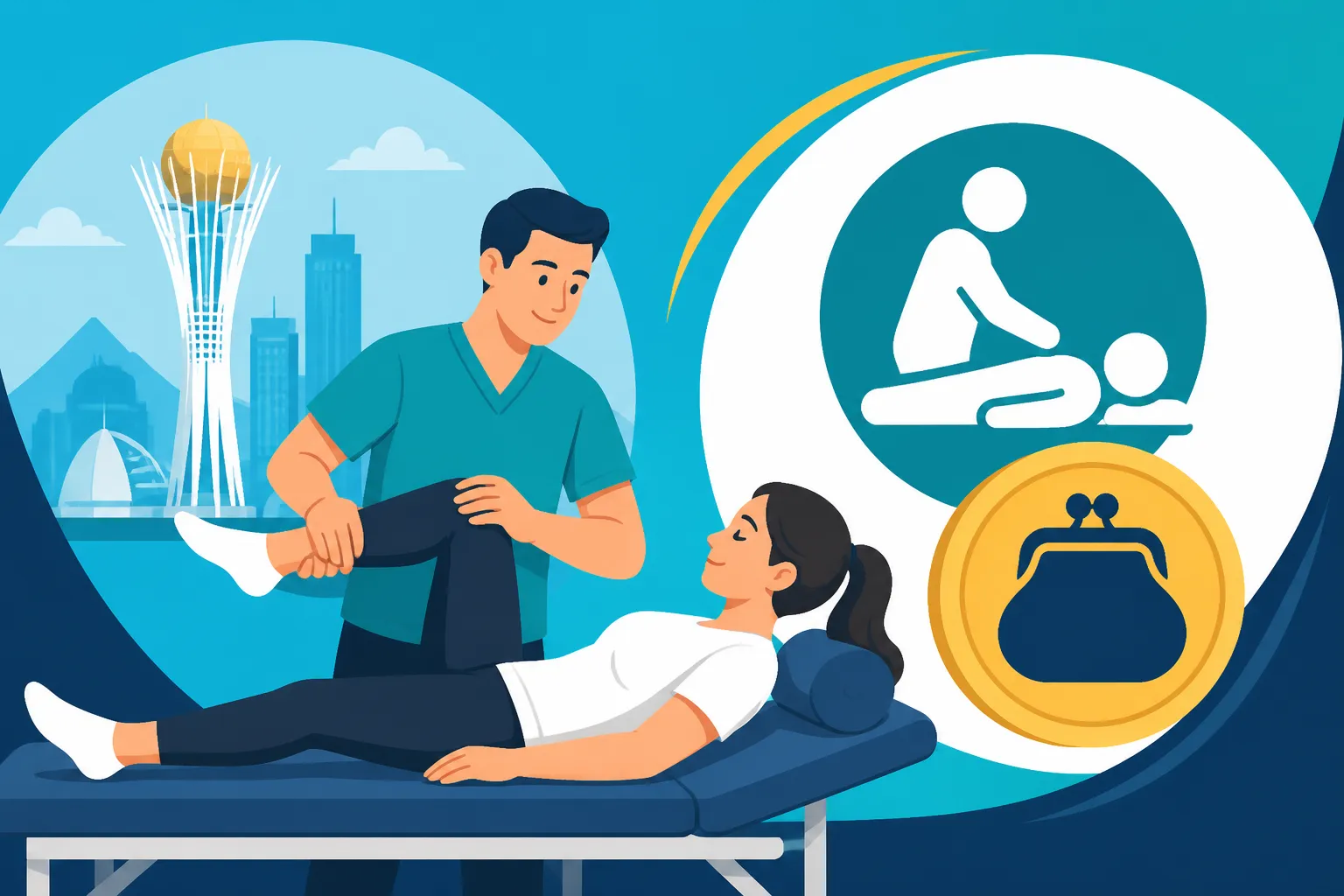
Oh, the joys of navigating healthcare in a new country, especially when your body decides to throw a curveball and you suddenly need something like physiotherapy! Believe me, I've been there. One minute you're conquering the mountains around Almaty, the next you're nursing a dodgy knee and wondering how on earth you're going to get it fixed without breaking the bank or getting lost in translation. For many expats in Kazakhstan, figuring out the cost of physiotherapy per session can feel like a riddle wrapped in an enigma, especially with the varied landscape of public, private, and specialized clinics. This guide is here to shed some much-needed light on what you can expect to pay for physiotherapy, how to navigate the system, and what factors truly influence the final bill for foreigners living and working here.
Understanding the Landscape of Physiotherapy in Kazakhstan
When you first arrive in Kazakhstan, the healthcare system can feel a bit… different. It's not always a straightforward path to specialist care, and physiotherapy is no exception. You'll find a mix of options, each with its own advantages and price points. Understanding these will be your first step to getting the care you need without any nasty surprises.
Public Polyclinics Versus Private Clinics and Rehabilitation Centers
Firstly, let's talk about the distinction between public and private. In Kazakhstan, public healthcare is largely managed through the Compulsory Social Health Insurance (OSMS) system. If you're officially employed and registered, you'll likely be contributing to this. While OSMS is fantastic for general medical care, including consultations and many basic treatments, accessing physiotherapy through the public polyclinics can be a mixed bag.
Public polyclinics often have physiotherapy departments, but they might be quite basic in terms of equipment and treatment methodologies. Think more traditional exercises, basic massage, and electrotherapy. The biggest hurdle, though, is usually getting a referral. You'll need to go through your assigned general practitioner (GP) at your local polyclinic, and they'll decide if physiotherapy is necessary. This process can be slow, especially if there's a language barrier, and wait times for initial appointments or follow-up sessions can be longer than what you might be used to back home. From my own experience, the focus in public polyclinics tends to be on curative care for more severe, acute conditions rather than preventative or long-term rehabilitation. The cost here, for those covered by OSMS, would generally be minimal or even free after the initial GP consultation, but getting there requires patience.
On the flip side, private clinics and specialized rehabilitation centers are where many expats end up for physiotherapy. These facilities typically boast newer equipment, a wider range of therapeutic techniques (like manual therapy, dry needling, modern exercise physiology), and often, better-trained or internationally-certified specialists. Crucially, they also tend to have English-speaking staff, which can be a massive relief when you're trying to explain where exactly your back pain is radiating from. Clinics like the Interteach network or SOS Medical Center in Almaty and Astana are popular choices among the expat community precisely for this reason. You can often book directly without a referral, though having one from a local doctor can sometimes streamline the process if you're trying to claim from private insurance. The downside? Well, that's where the costs come in.
Factors Influencing Physiotherapy Costs
So, why does the price tag vary so wildly? Several factors play a significant role:
- Location, Location, Location: Just like with real estate, where your clinic is located matters. Physiotherapy in central Almaty or Astana, particularly in clinics catering to expats, will almost always be pricier than in smaller cities or less central areas. The overheads are higher, and the demand for English-speaking specialists is concentrated in these expat hubs.
- Clinic Reputation and Specialization: High-end clinics with a strong reputation for specific types of rehabilitation (e.g., sports injuries, post-surgical recovery, neurological conditions) will naturally charge more. They invest in advanced equipment, continuous professional development for their therapists, and often have a more holistic approach to patient care, including longer session times.
- Therapist Experience and Qualifications: A physiotherapist with years of experience, specialized certifications (e.g., in manual therapy, osteopathy, or specific sports rehabilitation techniques), or international training will command higher fees. You're paying for their expertise and proven track record. It's often worth the extra cost for complex conditions where precision and deep knowledge are key.
- Type and Duration of Session: An initial diagnostic consultation, which might involve a thorough assessment, will typically be more expensive than a follow-up treatment session. The duration of each session also impacts the price – some clinics offer 30-minute quick sessions, while others provide comprehensive 60-minute treatments.
- Included Services: Some clinics offer an all-inclusive price per session, covering assessment, treatment, and exercise prescription. Others might itemize charges for specific modalities (e.g., laser therapy, ultrasound, special massages). Always clarify what's included before you commit.
Ultimately, while the public system offers a low-cost option if you navigate the bureaucracy, most expats find themselves turning to private facilities for their physiotherapy needs due to ease of access, language support, and a broader range of specialized treatments. When it comes to something as important as your health, sometimes paying a bit more for clarity and quality is a worthwhile investment. You can learn more about the general costs of medical care in the country by checking out our guide on The Cost of Healthcare in Kazakhstan: A Complete Breakdown for Foreigners (2026).
Breaking Down the Costs: What to Expect Per Session
Now, let's get down to the numbers. While exact figures can fluctuate depending on the clinic and city, I can give you a realistic overview of what you might expect to pay for physiotherapy per session in Kazakhstan. Remember, these are general ranges, and it's always best to call and confirm current prices with your chosen clinic.
Estimated Cost Ranges: Public Versus Private
As we touched upon, the price difference between public and private facilities is substantial, and it largely dictates your out-of-pocket expenses.
-
Public Polyclinics (with OSMS coverage): For those fully registered and contributing to OSMS, basic physiotherapy sessions are often free or carry a very nominal co-payment once you have a referral from your GP. However, remember the caveats: the process to get that referral can be lengthy, treatment options might be limited, and language support is usually nonexistent. If you don't have OSMS coverage (e.g., if you're a tourist or a new expat not yet registered), you would typically pay out-of-pocket, and even then, public clinic prices are significantly lower, perhaps in the range of 3,000-8,000 KZT per session, but direct access without a referral might still be tricky.
-
Private Clinics and Rehabilitation Centers: This is where most expats will find themselves. The costs here reflect the higher service standards, modern facilities, and often English-speaking staff.
- Initial Consultation and Assessment: Expect to pay more for your very first visit. This session typically involves a detailed history taking, physical examination, diagnosis, and initial treatment plan. Prices usually range from 10,000 KZT to 25,000 KZT.
- Follow-up Sessions: Subsequent treatment sessions are generally a bit less, as the initial assessment has been done. These can range from 8,000 KZT to 20,000 KZT per session.
- Specialized Treatments/Therapies: If you require specific, advanced therapies like shockwave therapy, advanced manual therapy, or highly specialized rehabilitation, the cost might be on the higher end, or even exceed these ranges, sometimes reaching 25,000-40,000 KZT for a dedicated session with particular equipment or a very senior specialist.
- Package Deals: Some private clinics offer package deals for multiple sessions (e.g., 5 or 10 sessions). These can often work out slightly cheaper per session than paying individually, offering a discount of 10-15% on the overall cost. It's always worth asking if such options are available if you anticipate needing a course of treatment.
To give you a clearer picture, here's a rough comparison:
| Service Type | Public Polyclinic (with OSMS) | Private Clinic (Out-of-Pocket) |
|---|---|---|
| Initial Consultation | Free (after GP referral) | 10,000 – 25,000 KZT |
| Follow-up Session | Free (after GP referral) | 8,000 – 20,000 KZT |
| Specialized Treatment | Limited availability, often free | 15,000 – 40,000 KZT+ |
| Language Support | Minimal to none | Often available (English-speaking) |
| Wait Times | Potentially longer | Generally shorter |
| Equipment & Modalities | Basic | Modern & varied |
What a Session Typically Includes
When you pay for a physiotherapy session, especially in a private clinic, you're usually getting more than just a quick rub down. A typical session might include:
- Initial Assessment (First Session): This is crucial. The therapist will ask about your medical history, the nature of your pain or injury, lifestyle, and your goals for recovery. They'll perform a physical examination to assess your range of motion, strength, posture, and identify the root cause of your issue. This diagnostic phase is vital for creating an effective treatment plan.
- Manual Therapy: This involves hands-on techniques such as massage, mobilization, or manipulation of joints and soft tissues to reduce pain, improve circulation, and increase flexibility.
- Exercise Prescription and Guidance: You'll likely be given specific exercises to do at home to strengthen weak muscles, stretch tight ones, and improve overall function. The therapist will guide you through these exercises to ensure correct form.
- Electrotherapy: Common modalities include ultrasound, TENS (Transcutaneous Electrical Nerve Stimulation), or interferential therapy, which use electrical currents or sound waves to reduce pain, inflammation, and promote healing.
- Heat or Cold Therapy: Applying heat packs or ice packs to the affected area is a simple yet effective way to manage pain and swelling.
- Education and Advice: A good physiotherapist will educate you on your condition, explain the recovery process, and provide advice on posture, ergonomics, and injury prevention tailored to your daily activities.
For instance, if you visit a private clinic like Mediker or Sunkar Medical Center in Almaty for persistent back pain, your initial consultation might involve a detailed postural analysis, palpation to locate trigger points, and an assessment of your spinal mobility. The physiotherapist might then use a combination of manual release techniques, prescribe specific core-strengthening exercises, and perhaps apply electrotherapy to alleviate muscle spasms. Each subsequent session would build on this, monitoring your progress and adjusting the treatment plan as needed. This comprehensive approach is what justifies the higher cost in private settings, but it's often more effective in the long run.
Navigating Insurance and Payment for Physiotherapy
Understanding how to pay for your physiotherapy in Kazakhstan is as important as knowing the costs themselves. It can significantly impact your budget and peace of mind. For many expats, the primary concern is whether their existing health insurance will cover these costs.
OSMS Coverage and Its Limitations for Expats
As mentioned, the Compulsory Social Health Insurance (OSMS) system is Kazakhstan's state-backed health coverage. If you are formally employed in Kazakhstan, your employer contributes to OSMS on your behalf, making you eligible for its benefits. For citizens and permanent residents, OSMS covers a wide range of medical services, including basic physiotherapy, usually after a referral from a polyclinic doctor. The main advantage is that the out-of-pocket cost is minimal or non-existent once you're in the system.
However, there are significant limitations for expats. Firstly, the quality and accessibility of physiotherapy services through OSMS can vary wildly. Public polyclinics might not have the advanced equipment, specialized therapists, or English-speaking staff that many expats prefer or require. Waiting times can also be an issue. Secondly, for new expats, there's often a registration period before you're fully covered by OSMS, meaning you'll need to pay out of pocket during that time. Thirdly, if you're not formally employed (e.g., self-employed, a digital nomad, or retired), accessing OSMS might be more complex or not applicable to you. In such cases, understanding How Your Residence Status Affects OSMS Enrolment in Kazakhstan becomes crucial. For comprehensive care and ease of access, private options often become the default for foreigners.
Private Health Insurance Options: Local and International
This is where most expats find their solution. Private health insurance offers flexibility, access to higher quality facilities, and often, English-speaking professionals. You generally have two main routes:
-
Local Private Health Insurance: Many Kazakhstani insurance providers offer private health plans. These can be a good option for those planning a longer stay or who are employed by local companies that provide such benefits. The coverage can vary widely, from basic outpatient care to more comprehensive plans that include specialist consultations, diagnostics, and, crucially, physiotherapy. Always read the fine print to understand what's covered, what the limits are per session or per year, and if there are any deductibles or co-payments. Keep in mind that while some plans might cover physiotherapy recommended by a local doctor, they might have restrictions on the type or number of sessions.
-
International Health Insurance: This is often the preferred choice for expats who frequently travel or desire consistent coverage regardless of their location. Providers like SafetyWing offer plans specifically designed for digital nomads and long-term travelers, which can include coverage for accidents and illnesses that might lead to a need for physiotherapy. Other major international providers such as Cigna Global, Allianz Care, or Aetna International also have plans available in Kazakhstan. These plans typically offer more extensive coverage for various medical treatments, including physiotherapy, often without the need for a local referral (though a doctor's recommendation is usually required for reimbursement). The key is to ensure your chosen plan covers "outpatient specialist treatment" and "physical therapy" specifically. Always check:
- Direct Billing vs. Reimbursement: Does the insurance company have direct billing agreements with clinics in Kazakhstan, or will you have to pay upfront and claim reimbursement?
- Coverage Limits: What are the annual or per-session limits for physiotherapy?
- Pre-existing Conditions: Are any pre-existing conditions covered, or will they be excluded?
- Referral Requirements: Do you need a doctor's referral for physiotherapy to be covered? Some international plans might be more lenient.
For example, if you're on a plan like SafetyWing, and you twist your ankle while hiking in the mountains near Almaty, your initial emergency medical care would be covered. If the doctor then recommends a course of physiotherapy for rehabilitation, you'd check your policy details. Typically, post-injury physiotherapy is included, subject to policy limits and network providers. You would usually pay for the sessions upfront at a private clinic and then submit the invoices and medical reports for reimbursement. Understanding How to Claim Reimbursement from Private Insurance in Kazakhstan is a vital skill for this.
Choosing the right private health insurance is paramount for expats in Kazakhstan, as it provides a safety net for unexpected medical needs, including physiotherapy. Many expats find value in a good international plan, especially one that offers good coverage for various scenarios, similar to what SafetyWing provides for mobile individuals.
Out-of-Pocket Payments and Common Payment Methods
If you don't have insurance that covers physiotherapy or you opt for services outside your plan, you'll be paying out-of-pocket. This is very common, especially for minor issues or if you simply prefer a specific therapist.
- Cash: Kazakhstani Tenge (KZT) is the local currency. While many private clinics accept card payments, having some cash on hand is always a good idea, especially for smaller clinics or if their card machine is temperamental (it happens!).
- Bank Cards: Most reputable private clinics accept major international credit and debit cards (Visa, Mastercard). Always confirm this when booking your appointment.
- Mobile Payment Apps: Kaspi.kz is ubiquitous in Kazakhstan. Many businesses, including medical clinics, accept payments through the Kaspi.kz app, which is incredibly convenient if you have a local Kaspi Gold card. You can simply scan a QR code or transfer directly. This is a payment method you'll quickly become familiar with for almost everything here.
When paying out-of-pocket, make sure to get a detailed invoice or receipt. This is not only good for your records but also essential if you later decide to try and claim partial reimbursement from an insurance plan (even if it's not fully covered, some plans might offer a goodwill payment) or for tax purposes in your home country. Always clarify the total cost before treatment begins to avoid any surprises.
Tips for Expats Seeking Physiotherapy in Kazakhstan
Navigating a foreign healthcare system can be daunting, but with a few practical tips, finding good physiotherapy in Kazakhstan can be much smoother. From language barriers to treatment transparency, knowing what to look for and how to approach it will save you headaches and potentially, money.
Finding English-Speaking Physiotherapists
This is often the number one concern for expats, and rightfully so. Clear communication with your therapist is critical for accurate diagnosis and effective treatment. You need to be able to explain your symptoms precisely and understand the treatment plan without ambiguity.
- International Clinics: Your best bet for English-speaking staff is often international medical centers or larger private clinics in Almaty and Astana that specifically cater to expats. As mentioned before, places like Interteach, SOS Medical Center, Mediker, and Sunkar Medical Center are known for having at least some English-speaking doctors and, consequently, physiotherapists. Don't hesitate to ask when you call to book an appointment, "Do you have physiotherapists who speak English?"
- Word-of-Mouth: This is invaluable in the expat community! Join local expat social media groups (Facebook groups for "Expats in Almaty" or "Expats in Astana" are goldmines). Ask for recommendations for English-speaking physiotherapists. Fellow expats will often share their positive (and negative) experiences, giving you genuine insights.
- Online Directories and Searches: A quick Google search for "English speaking physiotherapist Almaty" or "expat physical therapy Astana" might yield results. Check their websites for language capabilities or call them directly.
- Embassy/Consulate Recommendations: Your embassy or consulate might maintain a list of English-speaking medical professionals, including physiotherapists, in Kazakhstan. It's always worth checking their website or giving them a call.
- Doctor's Referral: If you've managed to find an English-speaking general practitioner (which you can do by checking our guide on How to Find an English-Speaking Doctor in Kazakhstan), they can often refer you to a physiotherapist within their network who also speaks English.
Don't be shy about asking. It's your health, and understanding every step of the process is crucial.
Importance of Clear Communication Regarding Treatment Plans and Costs
Once you've found a clinic, effective communication doesn't stop at language. It extends to understanding your treatment and its financial implications.
- Ask for a Detailed Treatment Plan: Before starting a course of treatment, ask your physiotherapist to outline the proposed plan. How many sessions do they anticipate? What modalities will be used? What are the expected outcomes? What should you be doing at home? This helps manage your expectations and gives you a clear roadmap.
- Clarify All Costs Upfront: This is paramount. Before your first session, ask for a clear breakdown of costs. Inquire about the price of the initial consultation, follow-up sessions, and any potential additional charges for specific treatments or equipment. Don't assume anything. If you're considering a package, ask for the total cost and what discount it entails.
- Insurance Pre-Approval/Verification: If you have private health insurance, contact your provider before your appointment. Confirm what your policy covers for physiotherapy, if a referral is needed, and if the clinic is within their network for direct billing. This proactive step can prevent nasty surprises when it comes time to pay or claim reimbursement. This is especially true for international plans like SafetyWing, where you want to be clear on what specific services are covered.
- Request Itemized Bills: Always ask for an itemized bill after each session, detailing the services rendered and their respective costs. This is important for your records and essential for insurance claims.
A good example of miscommunication could be assuming a "full rehabilitation program" includes massage, only to find out it's an extra charge. Or, not realizing that your insurance only covers 10 sessions per year, and you've just signed up for a 15-session package. Asking these questions upfront will save you from these common expat pitfalls.
Asking for Package Deals or Discounts for Multiple Sessions
If your physiotherapist recommends a course of several sessions (which is often the case for effective rehabilitation), it's always a good idea to inquire about package deals.
- Bulk Session Discounts: Many private clinics offer a reduced per-session rate if you commit to purchasing a block of sessions (e.g., 5, 10, or 12 sessions) upfront. This can result in a 10-20% saving compared to paying for each session individually.
- Membership Discounts: Some larger private clinics or medical centers might have membership programs that offer discounts on various services, including physiotherapy. If you anticipate using their other services (like GP visits or diagnostics), this might be a cost-effective option.
- Negotiation (Rare, but possible): While not common in formal medical settings, in smaller, independent clinics, there might be a tiny bit of wiggle room, especially if you're paying in cash for a significant number of sessions. However, don't expect it, and always be polite and respectful in your inquiry.
Remember, the goal is to receive effective treatment within your budget. Being prepared, asking direct questions, and leveraging available insurance or package deals can make the process much smoother. For a broader perspective on handling your health in a foreign land, our guide Navigating the Kazakhstani Healthcare System: An Expat's Roadmap (2027) offers invaluable insights.
Disclaimer
Please remember that the information provided in this guide is for general informational purposes only and is subject to change. Healthcare costs, insurance policies, and clinic services can vary and are regularly updated. It is always recommended to directly contact clinics and your insurance provider for the most accurate and up-to-date information pertaining to your specific needs before making any decisions. This guide does not constitute medical or financial advice.