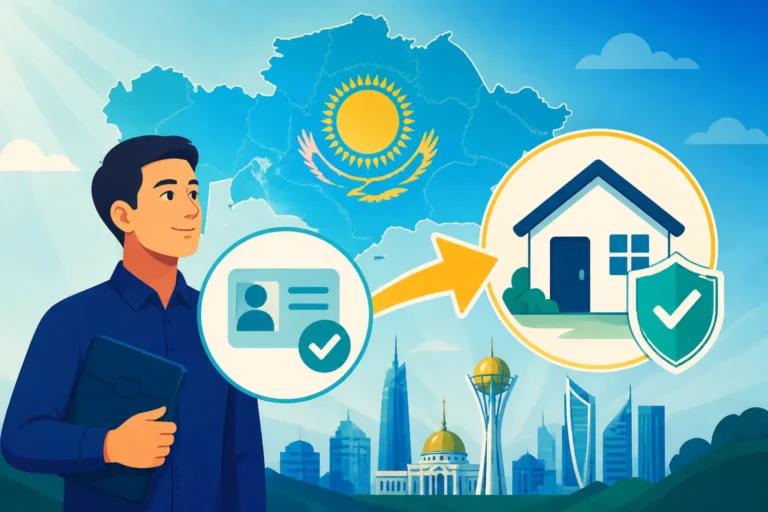
How to Find English Teaching Jobs in Kazakhstan
Moving to a new country to teach English can feel like an exhilarating leap into the unknown, brimming with opportunities but also a fair share of paperwork headaches and cultural quirks. If you’re eyeing Kazakhstan as your next adventure, you’re in for a treat – a country rich in history, stunning landscapes, and a surprisingly warm welcome, coupled with a growing demand for native English speakers. This guide will walk you through everything you need to know about finding and securing an English teaching job here, sharing practical advice from an expat who’s navigated the system firsthand.
The Appeal of Teaching English in Kazakhstan for Expats
Kazakhstan, the sprawling heart of Central Asia, might not be the first country that springs to mind when you think of teaching English abroad, but let me tell you, it's a hidden gem. The demand for quality English language education is soaring, creating some fantastic opportunities for those willing to embrace a new culture and a slightly different way of life.
Why Kazakhstan? Unpacking the Opportunities
When I first arrived here, I was struck by the sheer ambition of the younger generation. They see English as a vital bridge to global opportunities, whether it's for higher education abroad, international business, or simply engaging with the wider world. This translates into a vibrant, eager student base, from energetic kids in private academies to ambitious university students and professionals looking to upskill.
The country's rapid economic development, particularly in cities like Almaty and Astana, has fueled this demand. Multinational corporations are setting up shop, tourism is on the rise, and the government itself has initiatives to promote trilingualism (Kazakh, Russian, and English). This means there's a strong push from all levels of society for English proficiency. While Almaty and Astana are undeniably the primary hubs for expat teachers, offering the most varied roles and international amenities, don't overlook the potential in regional cities. Places like Shymkent, Karaganda, or Aktobe might offer fewer international school positions, but often have a high demand for private tutors or roles in local language centers, allowing for even deeper cultural immersion and a truly unique experience.
Lifestyle and Cost of Living as an English Teacher
One of the biggest draws of teaching in Kazakhstan is the cost of living. Compared to Western countries, your salary stretches remarkably far. While teaching salaries aren't necessarily "get rich quick" schemes, they provide a very comfortable lifestyle, often allowing for savings, travel, and enjoying what the country has to offer.
A typical salary at a private language school might allow you to rent a comfortable one-bedroom apartment in a good area of Almaty, enjoy meals out, take weekend trips to the mountains, and still put a decent chunk aside. International schools, of course, offer more generous packages, often including housing allowances or even fully furnished accommodation, flights, and comprehensive health insurance. This means less financial stress and more freedom to explore. The social life for expats is surprisingly active, especially in Almaty and Astana, with various groups, events, and a welcoming community feel. Plus, being centrally located means incredible travel opportunities to neighboring countries like Kyrgyzstan, Uzbekistan, and Georgia, all on a teacher's budget.
Essential Qualifications and Visa Requirements
So, you’re convinced Kazakhstan is the place for you. Excellent! Now, let’s talk brass tacks: what do you actually need to get a teaching job, and how do you legally stay in the country?
What You'll Need: Degrees, TEFL, and Experience
The basic requirements for teaching English in Kazakhstan are fairly standard for international roles, but there are nuances.
First and foremost, nearly all reputable institutions will require a Bachelor's degree. The good news is, it doesn't usually have to be in education or English. A degree in any field is generally accepted, as long as it's from an accredited university. This opens doors for many career changers or recent graduates who have a passion for teaching.
Next up, you absolutely need a TEFL, TESOL, or CELTA certification. This isn't just a piece of paper; it’s a foundational course that teaches you the methodologies and practical skills necessary to effectively teach English as a foreign language. While some smaller, less scrupulous schools might hire you without one, having a recognized certification significantly increases your chances of landing a good, legal job with better pay and conditions. A 120-hour in-class or accredited online course is the industry standard.
Experience is always a plus, of course. International schools, especially, will often prefer candidates with at least 2-3 years of demonstrable classroom experience, often with a teaching license from their home country. However, private language academies are frequently more open to fresh graduates who have just completed their TEFL. They understand that everyone has to start somewhere, and enthusiasm, a good work ethic, and a willingness to learn can go a long way. Finally, and this is crucial, you'll need a clean criminal record. Most employers will require a background check or police clearance certificate from your home country as part of the visa application process.
Navigating Work Permits and Visas
This is where things can get a little… bureaucratic. But don't despair, it's manageable! To legally teach English in Kazakhstan, you will need a work permit and a work visa. You absolutely cannot work on a tourist visa; attempting to do so will lead to serious trouble, including fines, deportation, and potential bans from the country.
The primary route to obtaining a work permit and visa is through employer sponsorship. This means the school or institution that hires you will typically handle the bulk of the application process for your work permit. They will provide the necessary invitation letters and submit documents to the migration authorities on your behalf. Once the work permit is approved (which can take several weeks to a few months, so patience is key!), you'll then use this approval to apply for your work visa at a Kazakhstani embassy or consulate in your home country or country of residence.
The documents required for your work visa will usually include your passport, original degree certificate, TEFL certificate, a medical certificate (proving you're free of certain communicable diseases, often obtained in Kazakhstan), a criminal record check, and passport-sized photos. Your employer will guide you through this, but it’s always wise to start gathering these documents early. Having a clear understanding of How a Work Permit and Employer Sponsorship Work in Kazakhstan will be invaluable in this process.
Where to Find English Teaching Jobs
Kazakhstan offers a variety of teaching environments, each with its own benefits and requirements. Knowing where to look will help you target your job search effectively.
International Schools and Private Language Academies
For many expat teachers, international schools represent the gold standard. They typically offer the most competitive salaries, often paid in a stable currency, and comprehensive benefits packages that can include furnished housing, annual flight allowances, medical insurance, and professional development opportunities. These schools cater primarily to the children of expats and wealthy local families, often following a British, American, or International Baccalaureate curriculum.
In Almaty, you’ll find prestigious institutions like Haileybury Almaty, Almaty International School, and Miras International School. Astana also boasts a strong presence of international schools, including Haileybury Astana and Nazarbayev Intellectual Schools (NIS), which are well-regarded and attract high-caliber teachers. Competition for these roles can be fierce, and they usually require qualified teachers with relevant experience and, often, a teaching license from their home country. They recruit globally, often attending international job fairs or using specialized recruitment agencies.
Private language academies are much more numerous and offer a wider entry point for teachers. You’ll find them in every major city, from large chains to smaller, independent centers. These academies cater to students of all ages and levels, from young learners to business professionals. Salaries can vary significantly, but they still typically offer a comfortable living. Some well-known private academies might include Interpress and the British Council. Working here often means more varied schedules, teaching different age groups, and potentially more direct interaction with local culture.
Understanding the broader Understanding the School System (Public, Private, International) in Kazakhstan can help you position yourself better when applying to these institutions.
Online Platforms and Freelancing Opportunities
The digital age has brought incredible flexibility, and teaching English online is a fantastic option, whether as a primary income or as a supplement to your main job. You can teach global students from anywhere in Kazakhstan, or specifically target Kazakhstani students seeking online lessons.
Platforms like iTalki (yes, I've used it myself!), Preply, and Cambly connect independent teachers with students worldwide. The beauty of these platforms is the flexibility to set your own hours and rates. You're your own boss, which means you can teach from your apartment in Almaty while sipping chai, without commuting or dealing with a fixed schedule. This can be especially appealing if you're looking to explore Kazakhstan while maintaining a steady income.
For those considering this route, it's worth exploring How to Become a Freelancer Legally in Kazakhstan to ensure you're complying with local tax and business regulations, even if you're primarily teaching students outside the country. Remember, being an independent teacher means you're responsible for your own taxes and potentially social contributions, which is a different beast from being a salaried employee.
University and Public School Roles
Opportunities at universities are also available, particularly in the larger cities. These roles often require higher academic qualifications, such as a Master's degree or even a PhD, especially if you're teaching English literature, linguistics, or academic writing. Salaries can be competitive, and the work environment is typically more academic and research-focused. Universities like Al-Farabi Kazakh National University in Almaty and Nazarbayev University in Astana frequently seek foreign lecturers and professors.
Public schools in Kazakhstan are another avenue, though they typically offer lower salaries compared to international schools or even some private academies. However, they provide an unparalleled opportunity for deep cultural immersion and the chance to make a significant impact on local communities. While direct hiring for expats in public primary/secondary schools is less common than through government programs or specific initiatives (like those targeting rural areas for English language development), it’s not unheard of. These positions often come with a different set of challenges and rewards, focusing more on community engagement and adapting to the local educational system.
The Application Process: Tips for Success
Once you’ve identified potential employers, the application itself needs to be spot-on. Kazakhstan has its own professional customs, and understanding them can give you a significant advantage.
Crafting Your CV and Cover Letter for the Kazakhstani Market
Your CV (Curriculum Vitae) and cover letter are your first impression, so make them count! While the content should be professional and highlight your qualifications, there are some local nuances to consider.
Firstly, always tailor your application to the specific job and institution. A generic CV won't cut it. Research the school, understand their mission, and articulate how your skills and experience align with their needs. For English teaching roles, emphasize your TEFL/TESOL/CELTA certification, any relevant teaching experience (especially with different age groups or proficiency levels), and your ability to adapt to new cultural environments.
One important point often seen in Kazakhstan and other Central Asian countries is the inclusion of a professional headshot on your CV. While this might be frowned upon in some Western countries, it's a common and accepted practice here. Make sure it's a clear, professional photo, not a selfie from your last holiday!
In your cover letter, express genuine interest in Kazakhstan beyond just the job. Mention your enthusiasm for experiencing Kazakh culture, your patience, and your adaptability. These qualities are highly valued in a country where navigating daily life can present unique situations. A well-crafted application can make all the difference, and you can get more specific guidance by reviewing resources on How to Adapt Your CV for the Kazakhstani Job Market.
Interview Stages and Demonstrating Your Teaching Skills
Most recruitment for expat teachers begins with online interviews. Expect at least one, if not two or three, rounds of video calls. These will typically involve HR, followed by the head of the English department or a senior academic.
During these interviews, be prepared to discuss your teaching philosophy, classroom management strategies, and how you engage students. Many schools will also request a demo lesson as part of the interview process. This might be a pre-recorded video of you teaching, or a live online session with mock students or even the interview panel. This is your chance to shine and show off your actual teaching prowess! Highlight your ability to create a dynamic, student-centered learning environment. Demonstrate creativity, clear instructions, and engaging activities.
Cultural sensitivity is key. Show that you've done your research on Kazakhstan and understand that you'll be teaching in a different cultural context. Express enthusiasm for working with Kazakhstani students and respect for local customs. Ask thoughtful questions about the school's curriculum, student demographics, and professional development opportunities. This shows genuine interest and a proactive attitude.
Salary, Benefits, and Professional Development
Let’s talk money and what you can expect beyond the paycheck. Understanding your compensation package is crucial for a comfortable life in Kazakhstan.
Understanding Compensation Packages
The financial side of teaching English in Kazakhstan can vary wildly depending on the type of institution. It’s not just about the monthly salary; the benefits package can significantly impact your overall financial well-being.
International Schools: These are typically at the top end of the pay scale. Salaries can range from $2,500 to $5,000+ USD per month, sometimes even higher for very experienced teachers with leadership roles. Beyond the salary, these schools often provide generous benefits such as:
- Housing Allowance or Provided Accommodation: This is a huge saving, especially in cities like Almaty and Astana where rent can be a significant expense.
- Annual Flight Allowance: Often covering return flights to your home country.
- Medical Insurance: Comprehensive health coverage, which is invaluable.
- Relocation Allowance: To help with initial setup costs.
- Paid Holidays and Sick Leave: Adhering to international school calendars.
Private Language Academies: Salaries here are generally lower but still offer a comfortable living. Expect something in the range of $800 to $2,000 USD per month. Benefits are more varied; some might offer a housing stipend or help finding accommodation, while others might just provide basic local health insurance and leave entitlements. Many will offer contract completion bonuses.
Online Teaching/Freelancing: This is highly variable, depending on your rates, hours, and student base. You could earn anywhere from $10 to $30+ USD per hour, but remember you're responsible for all your own benefits and expenses.
Here’s a rough overview to give you an idea:
| Institution Type | Estimated Monthly Salary (USD) | Common Benefits |
|---|---|---|
| International Schools | $2,500 – $5,000+ | Housing/allowance, flights, medical insurance, relocation, paid leave |
| Private Language Academies | $800 – $2,000 | Some housing assistance, local insurance, paid leave, completion bonus |
| Universities | $1,500 – $3,000+ | Variable; often includes housing, local insurance, academic leave |
| Online/Freelance | $10 – $30+ per hour | No employer-provided benefits; self-funded insurance, housing, etc. |
This table is just a guide, and figures can change based on your experience, qualifications, and the specific institution. If you're wondering What Is the Salary for an English Teacher in Kazakhstan?, it really does depend on these factors.
Taxation and Financial Considerations for Expats
Navigating taxes in a new country can feel like trying to decipher an ancient scroll, and Kazakhstan is no exception. However, once you get the hang of it, it's quite straightforward.
Kazakhstan has a relatively simple tax system, particularly for individuals, with a flat 10% Individual Income Tax (IIT) rate. If you are officially employed by a Kazakhstani institution, your employer will typically withhold this tax from your salary and remit it to the State Revenue Committee on your behalf. This simplifies things greatly for most expat teachers.
Beyond income tax, you’ll also contribute to mandatory pension and social contributions. These are also usually deducted by your employer. While it might seem like extra deductions, these contributions fund public services and provide a safety net.
For those with more complex financial situations, such as receiving income from abroad or freelancing, it's highly advisable to seek professional advice. Specialized services like Taxes for Expats can be incredibly helpful in navigating international tax obligations, ensuring you remain compliant both in Kazakhstan and your home country. Understanding your obligations regarding Understanding Income Tax and the Flat 10% Rate in Kazakhstan is paramount to avoid any issues.
Growth and Community
A fulfilling expat life isn't just about the job; it's about personal growth and connection. Kazakhstan offers ample opportunities for both.
Many schools, especially international ones, invest in professional development for their staff. This can include in-house workshops, funding for external courses or certifications (like advanced TESOL programs), and attendance at educational conferences. This commitment to continuous learning helps you grow as an educator and keeps your skills sharp.
The expat community in Kazakhstan, particularly in Almaty and Astana, is vibrant and welcoming. You’ll find numerous Facebook groups, social clubs, and networking events where you can connect with other foreigners, share experiences, and make new friends. This community is a fantastic resource for practical advice, from where to find obscure ingredients to recommendations for local services. Connecting with locals and delving into the culture is also hugely rewarding. Embracing the differences and showing respect for local customs will open many doors and lead to enriching experiences. For those wondering how to adapt to local customs, How Do I Adapt to the Kazakhstani Workplace Culture? offers some insights into professional integration.
Living and Thriving in Kazakhstan as an English Teacher
Beyond the classroom, life in Kazakhstan is a rich tapestry of experiences. Getting to grips with daily practicalities and embracing the culture will help you thrive.
Cultural Immersion and Everyday Life
Kazakhstan is a land of incredible contrasts and deep-rooted hospitality. From the bustling bazaars of Almaty to the futuristic architecture of Astana, you'll find a captivating blend of nomadic traditions and modern aspirations. The local people are generally incredibly welcoming and curious about foreigners, so be prepared for friendly encounters and offers of tea!
Learning a few basic phrases in Kazakh or Russian will significantly enhance your daily life. Even a simple "Salamatsyz ba?" (Hello in Kazakh) or "Spasibo" (Thank you in Russian) can open doors and warm hearts. Locals appreciate the effort, even if your pronunciation isn't perfect. Food is another highlight – don't leave without trying beshbarmak, plov, and endless varieties of delicious pastries.
Weekends are your oyster! Almaty, nestled at the foot of the magnificent Tien Shan mountains, offers incredible hiking, skiing, and mountain escapes just a short drive away. Astana, with its grand boulevards and impressive modern buildings, has fantastic museums, concert halls, and parks. Exploring the country, from the ancient silk road sites to the vast steppe, is an adventure in itself. Being able to experience this firsthand is one of the most enriching parts of being an expat teacher here.
Practicalities: Banking, Communication, and Getting Around
Setting up your life in a new country always involves a few logistical hurdles. Luckily, Kazakhstan has a well-developed infrastructure to help you settle in.
Banking: Once you have your IIN (Individual Identification Number), opening a bank account is relatively straightforward. Kaspi Bank is a local favorite, known for its user-friendly mobile app and widespread use for payments. Halyk Bank is another large, established option. Both offer debit cards and easy online banking. Getting an account is essential for receiving your salary and managing your finances. For a detailed walkthrough, check out The Expat Guide to Opening a Bank Account in Kazakhstan.
Mobile and Internet: Mobile connectivity is excellent, and you'll find affordable data plans from providers like Beeline, Kcell, and Tele2. High-speed internet is also readily available in cities. Setting up your home internet is usually simple, with technicians coming to your apartment to install. You can learn more about this process in How to Set Up Internet and Mobile Service in Kazakhstan.
Getting Around: Public transport in Almaty and Astana is efficient and affordable. Almaty has a clean, modern metro system, complementing an extensive bus network. Taxis are also very reasonably priced, and ride-hailing apps like Yandex Go are widely used and convenient. Astana also has a robust bus system. You generally won't need a car to get around the major cities. Discover more about navigating the cities in The Expat Guide to Public Transport in Kazakhstan.
Overall, while there might be a few initial challenges, the systems in place are generally efficient, and locals are often willing to help. Taking the time to understand the local ways will make your experience significantly smoother. For a broader overview of life in the country, you might find Learning About Living and Working in Kazakhstan: A Complete Guide for Expats useful as you plan your move.
Disclaimer
The information provided in this guide is intended for general informational purposes only and does not constitute legal, financial, or immigration advice. While every effort has been made to ensure accuracy, regulations and procedures in Kazakhstan can change frequently. Expats are strongly advised to consult with relevant government agencies, legal professionals, and financial advisors for personalized and up-to-date information regarding visas, employment, taxation, and other personal circumstances. The author and publisher disclaim any liability for any loss or damage incurred as a result of relying on the information presented herein.